
Strategic Silence Techniques That Strengthen Horse-Client Bonds
Understanding the Power of Strategic Silence in Equine-Assisted Sessions
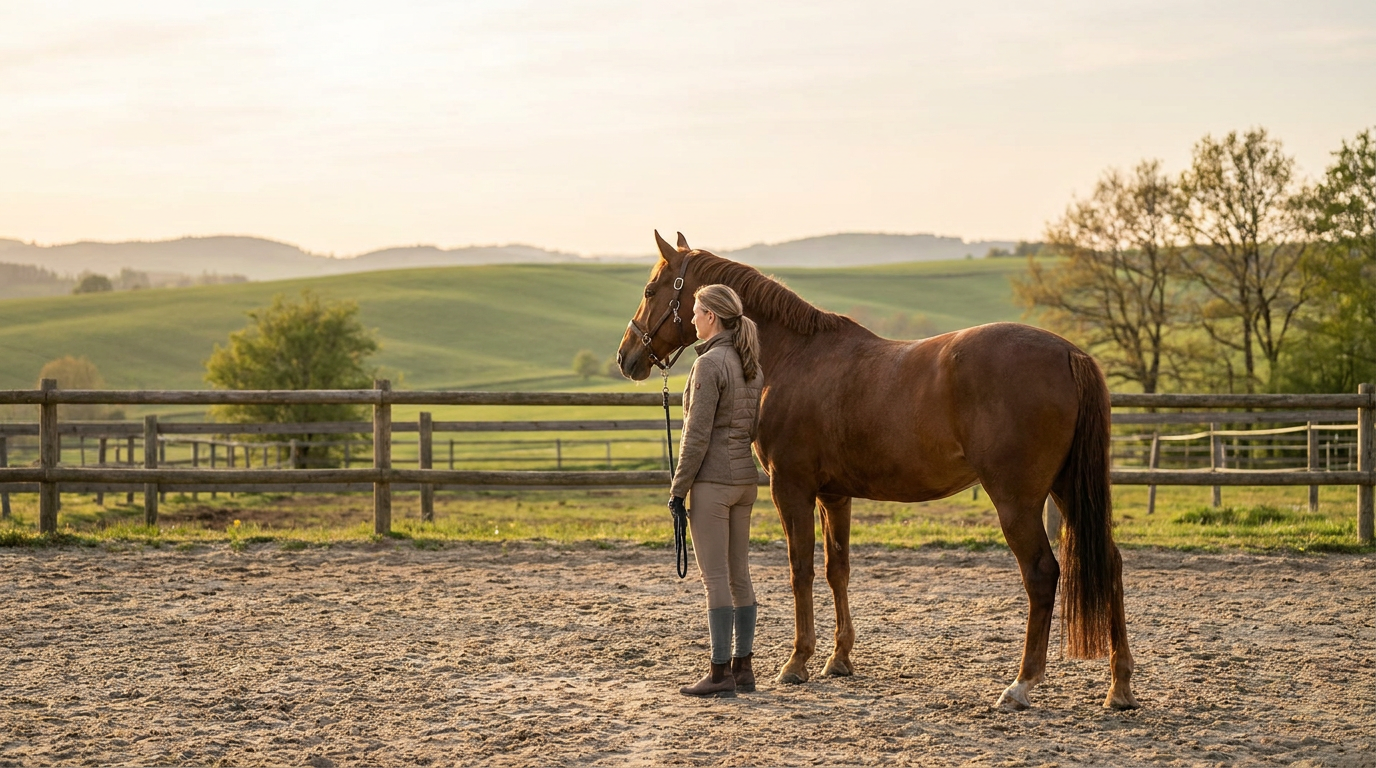
When a client enters the arena for their first therapeutic riding session, something magical often happens in the first few minutes of silence. The horse stands quietly, the participant takes a breath, and without a single word spoken, a connection begins to form. This isn’t coincidence—it’s the foundation of strategic silence, one of the most powerful tools in equine-assisted therapy.
In our fast-paced world, we’ve forgotten that communication doesn’t always require words. Horses remind us that meaningful connection often happens in the quiet spaces between conversations. When therapists learn to harness strategic silence, they create opportunities for genuine breakthroughs that simply can’t occur when we fill every moment with instructions or encouragement.
Why Horses Respond to Quiet Presence Over Verbal Commands
Horses are naturally wired to read energy rather than interpret language. In the wild, survival depends on sensing predator presence through subtle shifts in the environment—a skill that translates beautifully to therapeutic settings. When we approach horses with calm, quiet presence instead of constant verbal direction, we’re speaking their native language.
Research shows that horses’ heart rates actually synchronize with humans during quiet interactions, creating a biological foundation for trust. This happens within 90 seconds of calm presence, but the effect disappears when humans become overly verbal or directive. A client who might struggle with traditional talk therapy often finds their stress levels naturally decreasing when they’re simply asked to stand quietly beside a horse.
The key lies in understanding that horses evaluate authenticity through energy, not words. They can sense when someone is genuinely calm versus when they’re simply saying calming things. This creates a unique therapeutic environment where clients must actually become present rather than just talking about being present.
The Neurological Impact of Silence on Both Horse and Human
Strategic silence activates the parasympathetic nervous system in both species, creating an optimal state for learning and healing. When we remove the pressure of constant verbal processing, the brain shifts into what neuroscientists call “default mode”—a state where deeper integration and insight naturally occur.
For participants dealing with trauma, this silence becomes particularly powerful. Their nervous systems often exist in a state of hypervigilance, constantly scanning for threats. The rhythmic breathing of a quiet horse and the absence of verbal demands allows their system to finally downregulate. We’ve observed heart rate variability improvements of 15-20% within just ten minutes of silent horse interaction.
The bilateral brain stimulation that occurs during quiet grooming or simple horse care activities helps process traumatic memories without the need for verbal recounting. This makes equine therapy particularly effective for clients who struggle with traditional talk therapy approaches.
Creating Space for Natural Communication Patterns
Strategic silence doesn’t mean abandoning communication—it means making room for more authentic forms of connection to emerge. When we stop filling space with words, horses and humans begin communicating through breath, posture, and energy. These non-verbal conversations often reveal insights that would never surface through traditional dialogue.
In our Ridgecrest programs, we’ve learned that the most profound moments often happen during simple activities like mutual grooming, where both horse and client settle into a natural rhythm. The absence of verbal instruction allows the participant to tune into their own intuition about pressure, timing, and connection.
This approach becomes especially powerful when working with clients who have experienced betrayal or abuse. Words can feel unsafe, but the honest feedback of a horse’s body language creates a communication system that feels trustworthy. Rather than being told they’re making progress, clients feel it through the horse’s relaxation and willingness to connect.
Distinguishing Between Uncomfortable Silence and Therapeutic Quiet
Not all silence serves the therapeutic process equally. Uncomfortable silence often carries tension, expectation, or judgment, while therapeutic quiet feels spacious and accepting. Learning to recognize the difference becomes crucial for session success.
Uncomfortable silence typically emerges when the therapist becomes anxious about “doing something” or when a client feels pressured to perform or respond. The horse will often mirror this tension, becoming restless or withdrawn. Therapeutic quiet, by contrast, feels grounded and purposeful—even when nothing visible is happening.
The secret lies in the therapist’s own relationship with silence. When facilitators become comfortable with quiet presence, they model this energy for both horse and client. This might mean sitting quietly while a client processes an emotion, allowing natural pauses between activities, or simply creating space for organic interactions to unfold without rushing toward the next intervention.
Understanding when to introduce strategic silence requires reading both species carefully. Sometimes a client needs the structure of verbal guidance, while other moments call for the wisdom that emerges only in stillness.
Reading Your Horse’s Silent Language
Interpreting Ear Position and Body Posture Changes
A horse’s ears function as emotional barometers, constantly communicating their internal state without making a sound. Forward-pointing ears signal engagement and curiosity, while ears pinned back indicate stress, discomfort, or defensive behavior. The subtle in-between positions tell the real story though. When ears swivel independently, your horse is processing multiple inputs simultaneously, creating the perfect moment for strategic silence.
Body posture amplifies these ear signals in ways that experienced practitioners learn to read instantly. A lowered head with soft eyes suggests relaxation and trust, while raised head carriage with tense muscles indicates alertness or anxiety. The horse’s breathing pattern becomes equally important. Deep, rhythmic breathing signals contentment, while shallow, rapid breathing suggests stress that requires immediate attention from the therapeutic team.
Practitioners working in specialized ptsd programs often notice that clients mirror their horse’s posture unconsciously. This creates powerful opportunities for silent observation rather than verbal intervention. When both horse and rider display similar tension patterns, strategic silence allows natural regulation to occur without disrupting the organic connection forming between them.
Recognizing Stress Signals That Require Silent Response
Stress manifests differently in each horse, but certain universal signals demand immediate recognition and strategic non-response. Lip licking, yawning, and tail swishing indicate processing stress that verbal intervention might actually amplify. The key lies in distinguishing between productive stress (learning and growth) and destructive stress (overwhelm and shutdown).
Destructive stress signals include rapid eye blinking, excessive sweating without physical exertion, and repetitive behaviors like pawing or head shaking. These moments require what practitioners call “therapeutic stillness.” Rather than rushing to comfort or correct, experienced therapists create space for the horse to self-regulate while maintaining calm presence.
Environmental stressors in Ridgecrest’s desert climate add complexity to stress recognition. Wind, temperature changes, and distant sounds create layered stress responses that horses communicate through subtle body language shifts. A slight weight shift, momentary hesitation, or brief ear flick might signal external stress that silence helps the horse process naturally rather than creating additional pressure through verbal guidance.
Understanding When Horses Are Processing Emotional Information
Horses process emotional information in observable waves that skilled practitioners learn to recognize and respect. During emotional processing, horses often display what researchers call “thinking behaviors.” These include slow blinking, lowered heads with relaxed jaw muscles, and deliberate weight shifting that creates internal balance.
The processing period typically lasts between thirty seconds to three minutes, depending on the emotional complexity and the individual horse’s temperament. Interrupting this natural process with verbal cues or physical direction disrupts the horse’s ability to integrate the emotional experience fully. Instead, maintaining quiet presence allows the horse to complete their internal work without external pressure.
Clients experiencing trauma often synchronize with their horse’s emotional processing patterns unconsciously. When practitioners recognize these synchronized moments, strategic silence becomes therapeutic intervention. The shared quiet space allows both horse and human to process emotions at their natural pace, creating deeper therapeutic connections than verbal guidance might achieve.
Identifying Moments of Connection Without Words
True connection moments between horse and client happen in silence more often than through verbal interaction. These connections manifest as synchronized breathing, matched walking pace, or the subtle lean that indicates mutual trust. Recognizing these moments requires practitioners to observe rather than orchestrate, allowing natural bonds to develop without interference.
Physical indicators of wordless connection include horses lowering their heads to client level, clients unconsciously adopting their horse’s stance, and the mutual stillness that occurs when both beings achieve emotional synchronization. These moments often feel electric to observers but require protection through continued silence to maintain their therapeutic power.
The timing of connection moments varies significantly based on individual client needs and session history. First-time participants might achieve connection within minutes through simple grooming activities, while clients processing complex trauma might need multiple sessions before experiencing these profound silent bonds. Experienced practitioners learn to recognize the precursors to connection and create protective silence that allows these moments to flourish naturally without disruption or premature celebration that might break the therapeutic spell.
Implementing Intentional Quiet Periods During Sessions
Timing Silent Moments for Maximum Therapeutic Impact
The art of strategic silence isn’t about randomly inserting quiet moments into sessions. It requires precise timing based on what you’re observing in both horse and client. The most powerful silent periods often come right after breakthrough moments when someone first touches their horse’s neck or when a previously anxious participant takes their first deep breath in the arena.
Research shows that therapeutic processing happens in 30 to 90-second windows following emotional shifts. During these critical moments, verbal intervention can actually interrupt the natural integration process. Instead of rushing to fill the space with encouragement, skilled practitioners recognize when measuring therapeutic success means stepping back and allowing the connection to deepen organically.
Watch for physical cues that signal readiness for silence. When clients’ shoulders drop, breathing slows, or they begin moving in sync with their horse’s rhythm, that’s your window. These moments often last between two and five minutes, but the impact can carry through the entire session and beyond.
Guiding Clients to Embrace Uncomfortable Quiet
Many participants initially resist silence because it feels awkward or unfamiliar. They might fill quiet moments with nervous chatter or look to you for constant direction. Your role becomes teaching them that silence isn’t empty space but rather rich opportunity for connection.
Start with simple techniques like synchronized breathing exercises. “Let’s breathe with Thunder for the next few minutes” gives clients permission to be quiet while providing structure. Rather than explaining why silence matters, demonstrate its power by modeling comfortable quiet presence yourself.
Some clients need explicit permission to stop talking. “It’s okay to just be here with Sage right now” often helps anxious participants release the pressure to constantly engage verbally. The horses naturally support this process because they communicate primarily through energy and body language rather than words.
Creating safe containers for silence means setting clear expectations upfront. “We might have some quiet moments today, and that’s actually when some of the most important work happens” prepares participants without making silence feel like a test they might fail.
Using Environmental Sounds to Support Natural Rhythm
True therapeutic silence doesn’t mean complete absence of sound. The gentle whoosh of wind through trees, horses munching hay, or the rhythmic sound of hoofsteps creates a natural soundtrack that actually enhances the bonding process. These organic sounds help participants settle into the present moment rather than getting caught in mental chatter.
In Ridgecrest’s high desert environment, the subtle sounds of nature provide perfect background for deeper connection work. The distant call of hawks, rustling brush, and even the far-off hum of activity creates what researchers call “supportive ambient noise” that reduces anxiety without overwhelming sensitive participants.
Pay attention to how different horses create their own sound environments. Some horses naturally provide calming auditory cues through their breathing patterns or gentle movements. Others might create therapeutic rhythm through their walking pace or the way they shift weight. These natural sounds become part of the silent communication happening between horse and client.
Avoid completely silent environments, which can feel sterile or uncomfortable. Instead, work with the natural acoustic landscape of your arena or pasture space to create environments where silence feels safe and supported rather than empty or isolating.
Balancing Structure with Organic Silent Exchanges
Effective programs create frameworks that support spontaneous silence without forcing it. This means having planned activities that naturally include quiet periods while remaining flexible enough to extend those moments when genuine connection emerges.
Build silent intervals into structured activities rather than treating them as separate components. Grooming sessions naturally include quiet focused time, walking exercises create opportunities for synchronized movement without words, and simple standing together allows for organic bonding moments to develop.
The key is recognizing when to maintain structure and when to let organic silence take over. If a client becomes deeply engaged with their horse during what was supposed to be a five-minute grooming exercise, extending that time might serve them better than moving to the next planned activity. This flexibility requires reading both participants carefully and trusting the process.
Document what works for each client regarding silent periods. Some participants thrive with longer quiet exchanges, while others need shorter, more frequent silent moments. This individual customization helps create consistent experiences that build trust and deepen therapeutic relationships over time.
Client Coaching Through Silent Observation
Teaching Clients to Notice Without Narrating
The most powerful moments in equine therapy often happen when participants stop talking and start truly seeing. But many clients feel compelled to fill every quiet moment with words, missing the subtle communications their horse partner offers.
Rather than letting clients narrate every movement (“Now I’m brushing his neck, now he’s moving his head”), guide them toward mindful observation. Start sessions by asking participants to simply watch their horse for two full minutes without speaking. This creates space for genuine connection to develop naturally.
When someone does break the silence, redirect gently: “What did you notice in that last quiet moment?” This shifts focus from performing commentary to actually processing what they experienced. The horse responds differently when clients stop trying to control the interaction through constant chatter.
For Ridgecrest participants dealing with trauma, this practice becomes especially valuable. Military families often struggle with hypervigilance, where constant mental commentary feels safer than vulnerable stillness. Horses help them discover that awareness without analysis can actually create more safety and connection.
Helping Anxious Clients Find Comfort in Stillness
Anxiety makes silence feel dangerous. Clients might fidget, pace, or ask repeated questions to avoid the discomfort of quiet moments. But horses naturally help anxious participants find peace in stillness through their own calm energy.
Begin with micro-doses of silence. Ask clients to count three breaths with their horse rather than attempting longer quiet periods. When anxiety spikes, encourage them to focus on matching their horse’s breathing rhythm instead of fighting the uncomfortable feelings.
Physical positioning matters tremendously. Standing shoulder-to-shoulder with their horse, rather than face-to-face, reduces the pressure anxious clients feel during silent moments. This parallel positioning creates companionship without intensity, letting nervous participants ease into comfortable quiet.
During therapeutic riding sessions, the natural rhythm of walking helps regulate anxious nervous systems. The horse’s movement provides gentle sensory input that makes silence feel supportive rather than threatening.
Building Confidence Through Non-Verbal Horse Interactions
Confidence grows when clients realize they can communicate effectively without words. Horses respond to energy, intention, and body language more than verbal commands, teaching participants that their presence alone has power and value.
Start with simple exercises like asking clients to invite their horse to take a step forward using only body language and intention. When the horse responds, something shifts in the client’s understanding of their own capabilities. They discover that clear, quiet communication often works better than loud, forceful approaches.
Grooming becomes a conversation in touch and presence. Encourage clients to notice how their horse leans into certain brushstrokes or relaxes when they find the right pressure and rhythm. These non-verbal dialogues build confidence that doesn’t depend on finding the right words or perfect explanations.
For participants who struggle with self-worth, having a 1,200-pound animal choose to trust and follow their quiet leadership creates profound validation. The horse’s response confirms that they matter and that their authentic self is enough to create meaningful connection.
Supporting Breakthrough Moments That Emerge from Quiet
The most significant therapeutic breakthroughs often emerge from silence, not from talking through problems. Horses create safe spaces where emotions can surface naturally without the pressure of immediate verbal processing.
When tears come during quiet moments with a horse, resist the urge to immediately ask what’s happening. Instead, stay present and let the horse continue providing comfort through their steady breathing and warm presence. These emotional releases often process more completely without interruption.
Physical sensations become more noticeable in silence. Clients might suddenly realize they’re holding their shoulders differently, breathing more deeply, or feeling genuinely relaxed for the first time in months. These discoveries happen when mental chatter stops drowning out physical awareness.
Document these quiet breakthroughs carefully in session notes, but avoid analyzing them in the moment. The power of silent healing often gets lost when we immediately try to explain or categorize what happened. Sometimes the most therapeutic response to a breakthrough is simply witnessing it with gratitude and allowing its impact to unfold naturally over time.
Trust that your clients will integrate these experiences in their own way and timing. The horse has already done the important work by creating a space where authentic healing could emerge from stillness.
Advanced Silence Techniques for Different Client Needs
Adapting Quiet Approaches for Trauma Survivors
Trauma survivors often carry heightened awareness around silence, making strategic quiet periods particularly powerful in therapeutic settings. When working with veterans & ptsd clients, practitioners must recognize that silence might initially trigger hypervigilance rather than calm.
The key lies in establishing predictable silence patterns. Start with brief 30-second quiet periods during grooming, when both client and horse are engaged in gentle movement. This creates what therapists call “active silence” where the absence of verbal communication doesn’t feel threatening or empty. Gradually extend these periods as trust builds between all three participants.
For clients with complex trauma histories, telegraphing silent periods helps reduce anxiety. Simple phrases like “let’s spend a few minutes just being with your horse” create psychological safety. The horse becomes a co-regulator during these moments, often naturally matching the client’s breathing rhythm without any verbal instruction from the practitioner.
Some trauma survivors experience dissociation during quiet moments. Watch for glazed expressions or sudden stillness. Rather than breaking silence with words, guide the client’s hand to feel their horse’s steady heartbeat or warm neck, using tactile grounding to maintain present-moment awareness.
Using Silence in Group Sessions and Family Work
Group dynamics completely change how silence functions in equine therapy. Multiple clients create natural conversation, making intentional quiet periods feel more structured and purposeful. The challenge becomes creating shared silent experiences without triggering competitive dynamics.
Circle formations work particularly well for group silence. Position participants around a calm horse, encouraging simultaneous quiet observation. Different people notice different things, creating rich discussion opportunities once the silent period ends. Someone might observe ear position while another focuses on breathing patterns.
Family sessions require careful orchestration of silent moments. Parents often feel compelled to coach or correct during quiet periods, disrupting the therapeutic process. Establishing clear “silent observation only” rules helps families experience their dynamics without verbal interference. These moments often reveal communication patterns that surface naturally when words aren’t available.
Children respond differently to group silence than adults. They might fidget or whisper, which actually helps horses gauge the group’s energy level. Instead of enforcing absolute quiet, allow natural sound variation while maintaining the essential element: reduced verbal processing that lets emotional connection emerge.
Integrating Mindfulness Practices with Horse Interaction
Mindfulness and equine therapy create powerful synergy when combined thoughtfully. Horses naturally practice present-moment awareness, making them ideal mindfulness teachers. Their immediate responses to human energy shifts provide real-time feedback during meditation-based exercises.
Start mindfulness integration with breath awareness while standing near a calm horse. Participants quickly notice how their breathing affects their horse’s alertness level. Deep, slow breathing creates noticeable relaxation in most horses, while shallow, rapid breathing often causes slight tension or increased attention.
Body scan meditations work exceptionally well in arena settings. Guide clients through progressive muscle relaxation while maintaining light contact with their horse. Many participants report feeling their horse’s energy supporting their relaxation process, creating deeper meditation experiences than traditional indoor settings provide.
Walking meditation with horses adds movement to mindfulness practice. The horse’s steady pace naturally regulates human walking rhythm, while their sensitivity to human tension provides immediate feedback about mindful presence versus mental distraction.
Addressing Resistance to Silent Connection
Some clients actively resist quiet periods, filling every moment with chatter or questions. This resistance often indicates discomfort with emotional processing or fear of what might surface during unstructured time. Rather than forcing silence, gradually reduce your verbal responses while maintaining warm engagement.
Chronic talkers benefit from “silent challenges” that feel like games rather than therapy. Ask them to see how long they can communicate with their horse using only body language and breathing. Frame it as developing new skills rather than eliminating problematic behavior.
Anxiety-driven resistance requires different approaches. These clients might need shorter silent periods with clear time boundaries. Using timers or visual cues helps them tolerate quiet moments without panic about duration. Some find comfort in having specific observation tasks during silent periods.
For clients who associate silence with negative experiences, creating positive silent rituals helps rebuild comfort. Simple activities like sharing quiet breathing with their horse or observing natural arena sounds gradually replace negative associations with peaceful connection experiences.
Measuring Progress Through Silent Bond Development
Observable Signs of Deepening Horse-Client Connection
The most profound therapeutic breakthroughs often happen without words. When strategic silence creates genuine bonds between horses and clients, several key indicators emerge that experienced practitioners learn to recognize. Physical positioning tells the first story: clients naturally move closer to their horse partner, often without conscious awareness. Rather than maintaining the careful distance of early sessions, they might rest a hand on the horse’s shoulder during quiet moments or stand parallel to the horse’s body instead of facing head-on.
Breathing patterns synchronize during these silent connections. You’ll notice clients unconsciously matching their horse’s slower respiratory rhythm, creating a shared calm that deepens with each session. The horse’s ears become soft and forward-facing, while their head might lower slightly, indicating comfort with their human partner’s presence. These micro-changes in body language signal that trust is building naturally through intentional quiet spaces.
Emotional regulation becomes more visible during silent periods. Clients who initially struggled with anxiety or agitation find themselves naturally settling when given permission to simply exist beside their equine partner without pressure to perform or communicate verbally. This comfort with silence often transfers to their daily lives, giving them a valuable tool for managing overwhelming situations.
Documenting Non-Verbal Breakthrough Moments
Capturing therapeutic progress that happens in silence requires different documentation approaches than traditional talk therapy. Session notes should include specific observations about physical proximity changes, such as when a client first touches the horse unprompted during a quiet moment or when they begin grooming without verbal instruction. These seemingly small actions represent significant emotional milestones that might otherwise go unnoticed.
Photography and video documentation (with appropriate consent) can reveal patterns that emerge over multiple sessions. A client might consistently choose the same spot beside their horse during silent periods, or their posture might gradually relax across several weeks of sessions. These visual records help track progress that purely verbal assessments might miss.
Timing documentation proves particularly valuable. Note when silent moments occur naturally versus when they’re deliberately introduced, and how long clients can comfortably maintain quiet connection. A participant who initially fidgeted after thirty seconds of silence but now peacefully shares five-minute quiet periods has made measurable therapeutic progress, even without traditional verbal processing.
Tracking Client Comfort Levels with Therapeutic Silence
Individual tolerance for silence varies dramatically, and tracking each client’s comfort zone helps tailor future sessions for maximum benefit. Some participants embrace quiet connection immediately, while others need gradual exposure to build comfort with non-verbal interaction. Creating simple rating scales (perhaps one to ten) allows clients to communicate their comfort level with silence without breaking the therapeutic quiet.
Environmental factors influence silence tolerance significantly. Outdoor sessions in Ridgecrest’s desert setting often feel more naturally quiet than indoor arenas where every sound echoes. Weather conditions, time of day, and even seasonal changes affect how clients respond to intentional quiet periods. Tracking these variables alongside comfort ratings reveals patterns that inform session planning.
Physical responses provide additional comfort indicators. Tense shoulders, rapid breathing, or excessive movement during quiet moments signal that silence feels challenging rather than therapeutic. Conversely, clients who naturally extend silent periods or seem reluctant to resume verbal interaction demonstrate growing comfort with this healing approach.
Communicating Silent Session Benefits to Referring Professionals
Healthcare providers and therapists who refer clients often expect traditional progress reports filled with verbal exchanges and cognitive insights. Explaining the therapeutic value of strategic silence requires reframing how healing happens in equine-assisted sessions. Rather than focusing on what wasn’t said, emphasize what was accomplished through non-verbal connection and emotional regulation practice.
Concrete examples help referring professionals understand silent session benefits. Describe how a client’s anxiety symptoms decreased during quiet periods, or how their ability to self-regulate improved through practiced silence with their horse partner. These specific outcomes demonstrate therapeutic value in language that medical professionals recognize and appreciate.
Regular communication about silent session progress builds trust with referring professionals and helps them better prepare future clients for this unique therapeutic approach. When healthcare teams understand how strategic silence strengthens the human-animal bond, they become valuable partners in supporting clients’ therapeutic journeys.
Measuring progress through silent bond development reveals the profound healing that happens beyond words in equine therapy sessions. These quiet connections often create lasting change that extends far beyond the arena. If you’re ready to experience the transformative power of strategic silence in therapeutic settings, contact THOR Ridgecrest to learn how our programs can support your healing journey through the remarkable bond between humans and horses.
Related Posts
- Programs, People, and Purpose: How THOR Serves Ridgecrest with Horse-Powered Therapy
- Healing Through Hoofbeats: The Origins and Impact of THOR in Ridgecrest
- From Stall to Support: The Future of THOR and Its Role in Ridgecrest’s Evolving Care Landscape
- March Forward with Confidence Why Now is the Perfect Time to Start PTSD Treatment
- Indoor vs Outdoor Equine Sessions Adapting PTSD Therapy Programs for Every Season
- Creating Your PTSD Treatment Team How to Partner with Equine Therapy Specialists
- The Science Behind Horse Therapy What Clinic Directors Need to Know About Measuring Success
- Why March Weather Changes Can Trigger PTSD Symptoms and How Equine Therapy Helps
