
Optimizing Client Progress Through Consistent Arena Spaces at THOR Ridgecrest This Summer
The Foundation of Effective Equine-Assisted Progress
Understanding the Role of Environment in Therapy
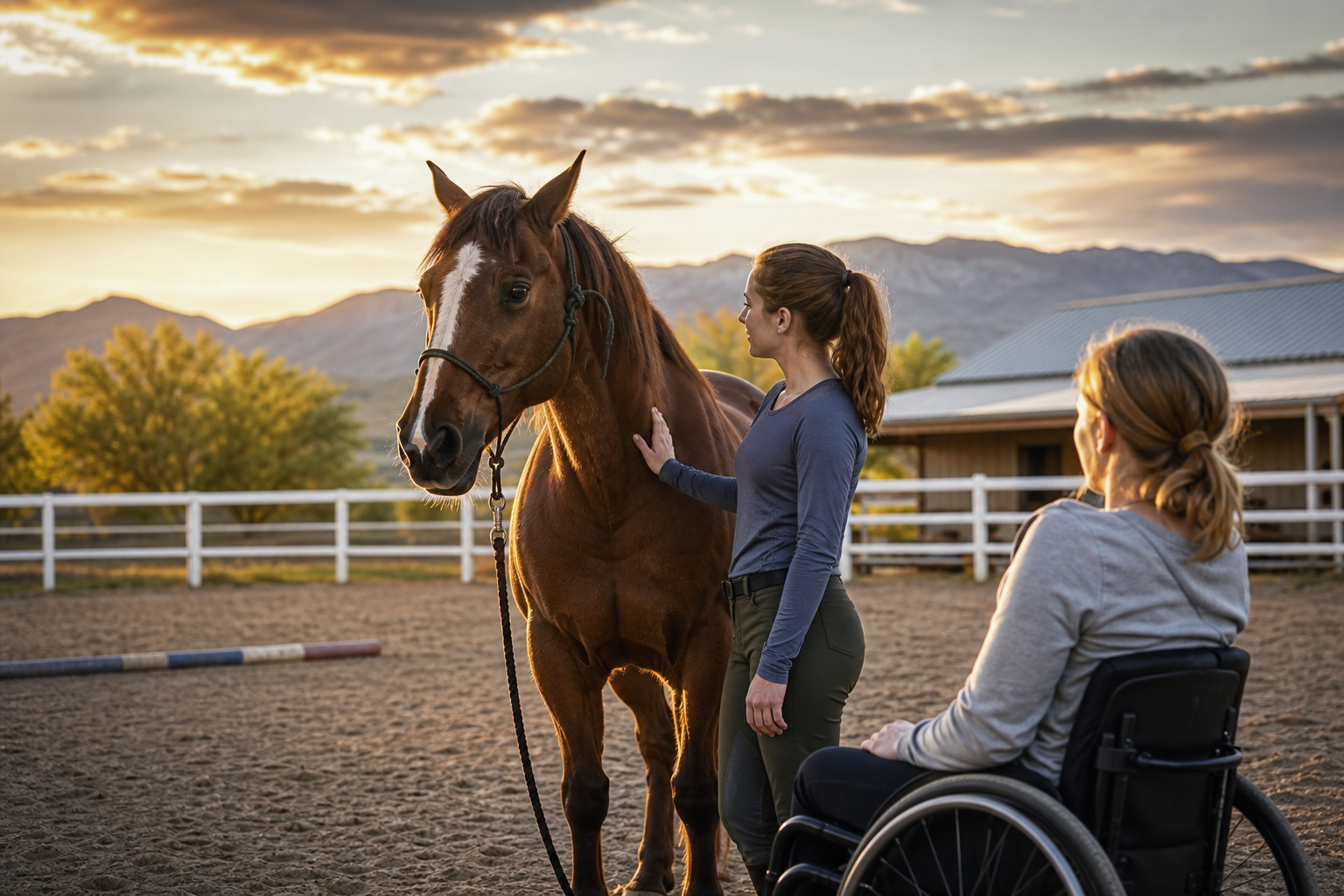
When we talk about effective therapeutic interventions, especially in specialized fields like equine therapy, the environment often plays a far more significant role than many realize. It’s not just a backdrop for the session; it’s an active participant, influencing everything from a client’s initial comfort level to their capacity for processing and progress. Think about it: would you feel as open and vulnerable sharing your deepest struggles in a sterile, unfamiliar room as you would in a peaceful, consistent space? For individuals engaging in horse therapy near Ridgecrest, the arena is their sanctuary, a place where profound healing can occur.
At THOR Ridgecrest, we understand this deeply. Our therapy isn’t confined to a therapist’s office; it unfolds in an interactive outdoor (and sometimes indoor, as we discuss in indoor vs outdoor) setting that is intentionally designed to support therapeutic goals. The physical elements of our arena—the footing, the fencing, the shelter, and even the surrounding natural landscape—all contribute to the client’s psychological state. A well-maintained, predictable environment reduces distractions and anxieties, allowing clients to focus more completely on their interactions with the horses and their own internal experiences. This is particularly crucial for clients dealing with trauma or anxiety, where sensory input can be overwhelming.
How Consistent Spaces Foster Trust and Familiarity
Consistency is key in building trust, not just between humans but also between humans and horses, and critically, within the client themselves. When a client repeatedly enters the same therapeutic space, their nervous system begins to recognize it as safe and predictable. This familiarity lays the groundwork for trust, a prerequisite for any meaningful therapeutic relationship. Imagine a client attending their first few sessions of therapeutic riding; every detail, from the horse’s approach to the arena’s layout, is new and potentially intimidating. Now, picture that same client returning for their tenth session. The environment is no longer novel; it’s known. The sights, sounds, and even the smells become cues for relaxation and engagement rather than apprehension.
This consistency extends beyond just the physical structure. It includes the placement of equipment, the typical flow of activities, and even the general atmosphere we cultivate. For our work helping veterans and those with PTSD in Ridgecrest, this predictability is extremely valuable. Clients learn what to expect, which can significantly reduce anticipatory anxiety and allow them to arrive at sessions feeling more grounded. This translates into quicker rapport building with the therapy horses and facilitators, ultimately accelerating their journey. As we’ve seen through our various programs, this repetitive positive exposure in a stable setting is foundational to breakthroughs.
The Psychological Benefits of Predictability for Clients
The human brain thrives on predictability, especially when healing from trauma or navigating significant life challenges. When an environment is consistent, it creates a sense of control and safety that can be deeply therapeutic. For clients in equine therapy ridgecrest, especially those facing issues like PTSD, unpredictability can be a major trigger. Having a stable, unchanging therapeutic setting minimizes these triggers and provides a mental anchor.
This psychological benefit manifests in several ways:
- Reduced Anxiety: Knowing what to expect lowers arousal levels, making clients more receptive to therapeutic interventions.
- Enhanced Focus: With fewer environmental variables to process, clients can dedicate more mental energy to the therapeutic tasks and their internal experiences.
- Improved Emotional Regulation: A predictable setting offers a sense of security, which helps clients practice and develop better emotional self-regulation skills.
- Stronger Sense of Agency: When the environment is stable, clients can better anticipate outcomes, fostering a sense of mastery and empowerment over their sessions.
This grounding effect is fundamental to the progress we see at THOR Ridgecrest. It’s about creating a container where clients feel secure enough to explore their vulnerabilities and build new coping mechanisms, often with the silent support of a horse. This critical element is part of what contributes to healing through healing through hoofbeats.
Measuring Progress in a Structured Setting
How do we know if our consistent arena spaces are genuinely making a difference? In a structured therapeutic environment, measuring client progress becomes more objective and reliable. When the external variables are minimized, changes in client behavior, emotional responses, and skill acquisition can be more directly attributed to the therapeutic process itself, rather than fluctuations in the setting.
At THOR Ridgecrest, we utilize various assessment tools to track progress, but the consistency of our arena provides a stable baseline for these measurements, as mentioned in the science behind. For example, if a client with social anxiety shows increased comfort approaching horses or engaging in dialogue with their facilitator over several weeks, and the environment has remained consistent, we can more confidently attribute that improvement to the veterans & ptsd equine therapy interventions. Without this consistency, it might be harder to discern whether progress is due to the therapy or simply acclimatization to a constantly changing setting.
This structured approach allows us to refine our methods and ensure that we are providing the most effective equine therapy possible for the Ridgecrest community. It underpins our commitment to client-centered care, verifying that the supportive space we provide truly facilitates growth and healing rather than simply offering a novel experience. It’s how we move from stall.
Strategic Arena Scheduling for Optimal Client Outcomes
Prioritizing Dedicated Session Times
At THOR Ridgecrest, we understand that consistency is key to therapeutic progress, particularly in modalities like equine therapy. Our strategic scheduling isn’t just about filling slots; it’s about deliberately carving out dedicated time for each client’s session. This means avoiding the common pitfall of “squeeze-in” appointments that can feel rushed or incomplete.
Instead, we allocate specific, protected blocks of time for each individual, ensuring that both the client and the equine partner have ample opportunity to engage without feeling pressured by the clock or by anticipation of the next arrival. Think of it as creating a sacred space within the day for healing.
This commitment to dedicated time goes beyond just the session itself. It also allows for crucial pre-session preparation and post-session debriefing, which are integral to the therapeutic process. For instance, staff can prepare the horse, ensuring it’s calm and ready, and therapists have time to mentally transition into the specific needs of that client. This meticulous approach means that when a client arrives, everything is set up to maximize their therapeutic experience. It’s an intentional design choice, particularly as we move into the busier summer months, to maintain the integrity of our programs and the quality of care in Ridgecrest.
Minimizing Disruptions and Transitions
A calm and predictable environment is paramount for effective equine therapy. Our scheduling philosophy actively minimizes disruptions, transitions, and external stressors that could interfere with a client’s focus or a horse’s demeanor. This involves careful planning of our daily operations within the arena.
For example, we stagger session start and end times to prevent multiple groups from congregating in common areas, reducing noise and sensory overload. We also limit non-essential personnel movement during active sessions, ensuring that the primary focus remains on the client’s therapeutic journey.
Furthermore, maintaining a consistent flow helps build trust and familiarity, which are vital components of the client-horse bond. When transitions are smooth and predictable, clients feel more secure, allowing them to relax and engage more deeply with the equine partner. This intentional avoidance of abrupt changes or unexpected interruptions fosters an environment where genuine therapeutic work can flourish. It’s about creating a bubble of calm and safety, even in a busy environment, to support profound healing experiences, much like how we adapt indoor vs outdoor to different seasons to maintain consistency.
Allocating Specific Arenas for Different Modalities
To further optimize client outcomes, THOR Ridgecrest utilizes its facilities strategically, often allocating specific arenas for different therapeutic modalities or client needs. For instance, a quieter, more enclosed arena might be designated for sessions focusing on trauma or PTSD, where a sense of containment and reduced external stimuli is beneficial. Conversely, an open-air arena might be used for activities requiring more space, such as guided movement exercises or challenging obstacle courses designed to build confidence and spatial awareness. This isn’t random; it’s a deliberate choice based on the therapeutic goals for each client.
This tailored allocation helps us to create specialized environments that directly support the unique requirements of each therapy session. It means a client engaged in groundwork focused on boundary setting won’t be distracted by another client practicing mounted exercises nearby. By reducing visual and auditory clutter, we enhance the client’s ability to focus on their internal experience and their connection with the horse. This foresight in planning helps us serve the Ridgecrest community more effectively, creating a truly optimized therapeutic landscape as discussed in “from stall.”
Ensuring Uninterrupted Client-Horse Connection
The core of equine therapy lies in the unique, powerful connection formed between the client and the horse. Our arena scheduling protocols are designed, first and foremost, to safeguard and nurture this bond by ensuring it remains as uninterrupted as possible. This means scheduling that allows ample time for initial greeting and connection, without the rush of feeling like another session is waiting right behind. It also involves training our staff to understand the subtle cues of both client and horse, stepping back when a moment of genuine connection is unfolding, and intervening only when therapeutically necessary.
Minimizing external interference fosters a deeper level of engagement and trust. When a client knows their time with the horse is protected and respected, they are more likely to let their guard down and engage authentically. This uninterrupted flow allows for the organic development of rapport, empathy, and non-verbal communication, which are profound drivers of therapeutic change. It’s not just about scheduling appointments; it’s about cultivating an environment where healing relationships can flourish, especially crucial during the horse therapy summer season when distractions might be higher. This client-horse connection is a cornerstone of our philosophy at THOR Ridgecrest, directly impacts the success described in “the science behind.”
Enhancing the Therapeutic Experience at Our Facility
Maintaining Ideal Arena Conditions Throughout Summer
Summer in Ridgecrest presents its own unique set of challenges, especially when it comes to maintaining a consistent and therapeutic environment for our equine therapy sessions. The goal here at equine therapy Ridgecrest is to ensure that our arenas remain a sanctuary for healing, regardless of the rising temperatures. This isn’t just about client comfort; it’s crucially about horse well-being and maintaining predictable conditions that foster trust and progress.
Our strategy involves a multi-pronged approach. First, we heavily invest in proper footing management. Dry, dusty arenas can be uncomfortable for both horse and human, so we utilize professional-grade dust control measures and consistent watering schedules.
This might sound simple, but it’s a critical component. We also carefully plan our session times, often scheduling during cooler morning or late afternoon hours to avoid the peak heat. And for those exceptionally hot days, we have shaded areas within the arena that provide relief.
We monitor weather conditions constantly, making quick adaptations if needed, because consistency in the environment, even adaptable consistency, is paramount for the therapeutic process, as discussed in “Indoor vs Outdoor Equine Sessions Adapting PTSD Therapy Programs for Every Season”.
Customizing Spaces for Individual Client Needs
While consistency is key, personalization within that framework is equally vital. Each client comes to us with a unique set of experiences and needs, and their equine therapy environment should reflect that. For instance, a client who is particularly sensitive to open spaces might benefit from sessions structured around the smaller, more enclosed areas of our arena compound initially. Conversely, someone working on expanding their perceived boundaries might thrive in the broader, more expansive sections.
We work closely with referring clinicians and our own equine therapy specialists to understand specific client sensitivities and therapeutic goals. This allows us to subtly adapt the physical space, perhaps by using cones or temporary fencing to define smaller, more manageable areas for certain exercises, or by designating specific quiet zones within the larger arena. It’s about creating a bespoke experience without compromising the underlying structure that provides safety and predictability. This thoughtful customization helps clients feel seen and understood, which deepens their engagement in the horse therapy summer program.
Integrating Sensory Elements for Engagement
The therapeutic power of equine therapy ridgecrest extends beyond just the presence of the horse; it involves the entire sensory experience. During the summer, we strategically integrate various sensory elements into our arena spaces to enhance client engagement and facilitate specific therapeutic outcomes. This means thinking about more than just sight.
Consider sound, for example. While we strive for a calm environment, certain gentle sounds, such as wind chimes in a shaded corner or the rhythmic crunch of hooves on well-maintained footing, can be grounding for some clients. For others, a complete focus on minimizing external noise might be necessary. Visual elements are also considered. We might use subtle, calming colors in equipment or introduce natural elements like potted plants to soften the edges of the arena, creating a more organic, less clinical feel. And the tactile experience, of course, is fundamental: the varied textures of the horse’s mane, the smoothness of brushes, the feel of the lead rope. These elements are not random; they are intentionally chosen and placed to support regulation, focus, and connection within the thor ridgecrest therapy environment.
Staff Training on Maximizing Consistent Environments
Our commitment to consistent and optimized arena environments ultimately rests on the expertise and dedication of our staff. It’s not enough to simply have well-designed spaces; the people managing these spaces are integral to their effectiveness. So, staff training is a continuous, high-priority process at THOR Ridgecrest, especially as we adapt to seasonal changes.
This training covers a range of topics: from the daily maintenance protocols for arena footing and equipment to understanding how different environmental factors (temperature, humidity, light) can impact both horses and clients. We conduct regular workshops focusing on behavioral observations of both horses and humans within varying conditions, ensuring our team can identify subtle cues that might indicate discomfort or dysregulation. Furthermore, our staff are trained on how to implement personalized adaptations to the physical space or session structure seamlessly, maintaining a sense of predictability even when making adjustments.
This ongoing education ensures that every member of our team is equipped to maximize the therapeutic potential of our consistent environments, making the summer experience as beneficial and consistent as any other time of year. It’s how we ensure the future of THOR continues to evolve and serve our community well, as highlighted in “From Stall to Support: The Future of THOR and Its Role in Ridgecrest’s Evolving Care Landscape”.
Observing and Documenting Client Development
Capturing Milestones Within Familiar Settings
One of the most profound benefits of consistent arena spaces in equine therapy is the ability to clearly observe and track client milestones. When the environment remains stable, it offers a controlled laboratory-like setting where variables are minimized. This means that changes in client behavior, engagement with the horses, and overall emotional regulation can be more confidently attributed to the therapeutic process itself, rather than external distractions or novel surroundings.
Think about it: if a child with anxiety consistently makes eye contact with the horse during grooming sessions in the same corner of the arena, and then gradually progresses to confidently leading the horse through a familiar obstacle course, those specific steps are much easier to identify and document. These small victories, accumulated over time, paint a clear picture of progress. This consistency allows our therapists at THOR Ridgecrest to build a comprehensive narrative of each client’s journey, highlighting specific achievements that might otherwise be missed in a constantly changing environment. It’s about creating a canvas where the brushstrokes of triumph are unmistakably visible.
The Impact of Stability on Behavioral Growth
Stability is not just about comfort; it’s a foundational element for behavioral growth, particularly in therapeutic settings. For many of our clients, especially those dealing with trauma or developmental challenges, predictability is paramount. An unchanging arena at THOR Ridgecrest provides a safe “anchor” that reduces cognitive load and allows clients to focus their energy on internal processing and skill development, rather than adapting to new external stimuli each session. This is especially true for our ptsd clients, where unexpected changes can be highly dysregulating.
Consider a client who struggles with impulse control. In a stable environment, the horse’s consistent responses to their actions provide immediate and clear feedback. There’s no novelty in the setting to distract from the core interaction.
This predictable interaction helps clients to internalize cause-and-effect relationships and practice new coping mechanisms. When the horse responds predictably to calm, clear cues, it reinforces positive behaviors. This repeated, stable interaction in the same space fosters neural pathways for new, healthier responses.
Essentially, the consistent physical space facilitates consistent mental and emotional space for growth.
Utilizing Consistent Spaces for Data Collection
The collection of objective data is crucial in demonstrating the efficacy of equine therapy, particularly for those of us who believe in the science behind horse therapy. Consistent arena spaces make this data collection far more reliable and meaningful. When every session takes place in the same physical layout, with the same sensory characteristics (e.g., sound dampened by fencing, consistent footing), it creates a standardized setting for observation.
At THOR Ridgecrest, this allows us to use observational rubrics and assessment tools with higher fidelity. For instance, if we’re tracking a client’s ability to maintain focus during a specific grooming task, carrying out that task in the same stall or grooming bay each week provides accurate, comparable data points. We can measure improvements in attention span, fine motor skills, or emotional regulation across sessions without worrying that environmental shifts are confounding our results. This methodological rigor strengthens our ability to analyze progress, inform treatment adjustments, and ultimately, validate the impact of our programs, as discussed in the science behind. It makes our outcomes measurable and our interventions more precise.
Communicating Progress to Clients and Stakeholders
Clearly communicating client progress is vital, not just for the client’s self-esteem and motivation, but also for their families, referring professionals, and other stakeholders. Consistent arena spaces provide a wealth of tangible examples and data points that make this communication more impactful. When you can point to a specific area of the arena and say, “Remember a month ago, when Sarah couldn’t even walk past the barrel without getting anxious? Now, she’s confidently leading the horse around it,” that concrete example resonates deeply.
Our therapists at THOR Ridgecrest leverage these spatial consistencies to create powerful narratives of change. We can show families specific videos or detailed notes from sessions held in the same familiar settings, illustrating the journey from initial challenges to current successes. This visual and descriptive evidence fosters trust and demonstrates the value of equine therapy ridgecrest offers. For clients, seeing their own progress unfold within the same familiar setting can be incredibly empowering, reinforcing their hard work and commitment to the therapeutic process. It’s about making the invisible progress, visible and undeniable, helping everyone understand the transformative power of the work being done.
Preparation for a Productive Summer of Therapy
Facility Readiness for Peak Season
As summer approaches in Ridgecrest, proactive facility readiness becomes paramount for optimizing client progress through consistent arena spaces at THOR Ridgecrest. This isn’t just about tidiness; it’s about engineering an environment that supports therapeutic outcomes. We conduct a rigorous 50-point checklist inspection across all our arenas and supporting infrastructure well before the peak season hits.
This includes everything from ensuring optimal footing depth and consistency – critical for both horse and client safety and comfort – to verifying the integrity of fencing and gates. We also focus on shade structures, given Ridgecrest’s summer temperatures, making sure they are not only functional but aesthetically pleasing, creating inviting spaces for both active sessions and quiet reflection. Dust control is another significant factor; we implement a scheduled watering and treatment plan to minimize airborne particulates, which can affect respiratory health for horses and humans alike.
Think about it: a dusty arena isn’t just unpleasant, it can distract from focus and create physical discomfort, directly impacting the quality of the therapeutic encounter. Our maintenance team also reviews and services all essential equipment, from mounting blocks to adaptive tack, ensuring everything is in top working order. This meticulous preparation means that when a client arrives for their equine therapy session, the physical environment is an ally, not a hidden obstacle.
Ensuring Horse Well-being in Designated Arenas
The health and happiness of our equine partners are foundational to effective thor ridgecrest programs, especially as we head into the summer months. In our designated therapeutic arenas, horse well-being is not just a consideration; it’s a constant, active priority. We implement specific protocols to manage their comfort during warmer weather, such as adjusted turnout schedules to avoid the hottest parts of the day, ensuring ample access to fresh, cool water in every arena, and strategic placement of fans in covered areas for air circulation.
Our team monitors horses for any signs of heat stress or fatigue meticulously, knowing that a calm, comfortable horse is essential for a productive session. We also carefully plan their work schedules, ensuring appropriate rest periods between sessions and varying their work to prevent physical or mental burnout. Our horses, much like our human clients, thrive on routine and predictability; however, we also recognize the need for flexibility, adapting their schedules based on daily observation and individual needs.
Regular farrier and veterinary checks are intensified during the summer to preemptively address any issues that might arise from increased activity or environmental changes. This holistic approach to horse care ensures that our equine therapists are always at their best, ready to connect with clients in a supportive and gentle manner, making client progress through consistent arena spaces a reality.
Client Onboarding and Orientation to Our Approach
A smooth and comprehensive onboarding process is crucial for new clients, particularly those seeking horse therapy summer sessions. It sets the stage for a trusting relationship and ensures they understand how our consistent arena environments contribute to their healing journey. We begin with an initial consultation that goes beyond paperwork, diving into their goals, expectations, and any previous experiences with therapy or horses. This helps us match them with the most suitable equine partner and therapist. During their first visit to the facility, we provide a guided tour of the specific arena spaces they will be utilizing, explaining the purpose behind our consistent layouts – for example, how the placement of cones or obstacles can facilitate cognitive processing or emotional regulation during a session. We emphasize our commitment to creating safe, predictable, and supportive environments, which is particularly beneficial for individuals managing PTSD or anxiety. We also orient them to our safety protocols, communication methods, and what to expect during a typical session. We empower clients by teaching them how to read horse body language, fostering a sense of connection and control. This upfront investment in clear communication and comprehensive orientation not only reduces anxiety but also enhances engagement, making them active participants in their own therapeutic process. It truly highlights how our equine therapy ridgecrest approach is deeply client-centered.
Looking Ahead: Sustaining Progress Beyond Summer
While this blog has focused on optimizing client progress through consistent arena spaces at THOR Ridgecrest this summer, our vision always extends beyond a single season. The strategies we employ, from meticulous facility readiness to dedicated horse well-being, are designed for long-term sustainability and continuous therapeutic benefit. We understand that therapeutic journeys are not linear or confined by calendars. Therefore, we integrate mechanisms to ensure that the progress made during summer sessions can be maintained and built upon throughout the year. This involves regular reassessment of client goals, adapting session plans as needed, and exploring options for continued engagement. For some, this might mean transitioning to indoor arena sessions during cooler months, a topic we’ve previously touched upon in our discussions about adapting ptsd therapy. For others, it could involve connecting them with community resources that reinforce the coping strategies learned during thor ridgecrest programs. Our commitment is to provide a continuum of care that respects individual pacing and evolving needs, ensuring that the consistent, supportive foundation established in our arenas translates into lasting resilience and well-being. We also encourage feedback from clients and their families, using their insights to continually refine and improve our offerings. This forward-thinking approach means that summer isn’t just an isolated period of growth, but a vital chapter in an ongoing story of healing and empowerment.
The summer months at THOR Ridgecrest represent a unique opportunity for profound healing and personal growth, underpinned by our unwavering commitment to consistent, supportive, and meticulously prepared arena environments. By harmonizing facility readiness, prioritizing the well-being of our magnificent equine partners, and ensuring a thorough, empathetic onboarding for every client, we create a powerful therapeutic ecosystem. We believe that a predictable, safe space allows for deeper emotional work and more sustainable progress, fostering an environment where individuals can truly thrive and build lasting resilience.
So, if you or someone you know in the Ridgecrest area is seeking a transformative therapeutic experience this summer, we invite you to reach out to THOR Ridgecrest today to explore how our specialized equine therapy programs can support your journey toward mental and emotional well-being. Let’s make this summer a milestone in your path to healing.
Related Posts
- Programs, People, and Purpose: How THOR Serves Ridgecrest with Horse-Powered Therapy
- Healing Through Hoofbeats: The Origins and Impact of THOR in Ridgecrest
- From Stall to Support: The Future of THOR and Its Role in Ridgecrest’s Evolving Care Landscape
- March Forward with Confidence Why Now is the Perfect Time to Start PTSD Treatment
- Indoor vs Outdoor Equine Sessions Adapting PTSD Therapy Programs for Every Season
- Creating Your PTSD Treatment Team How to Partner with Equine Therapy Specialists
- The Science Behind Horse Therapy What Clinic Directors Need to Know About Measuring Success
- Why March Weather Changes Can Trigger PTSD Symptoms and How Equine Therapy Helps
