
Managing Sensory Considerations for Equine Therapy Sessions During Peak Summer Months
Understanding the Unique Sensory Challenges of Summer for Equine Therapy
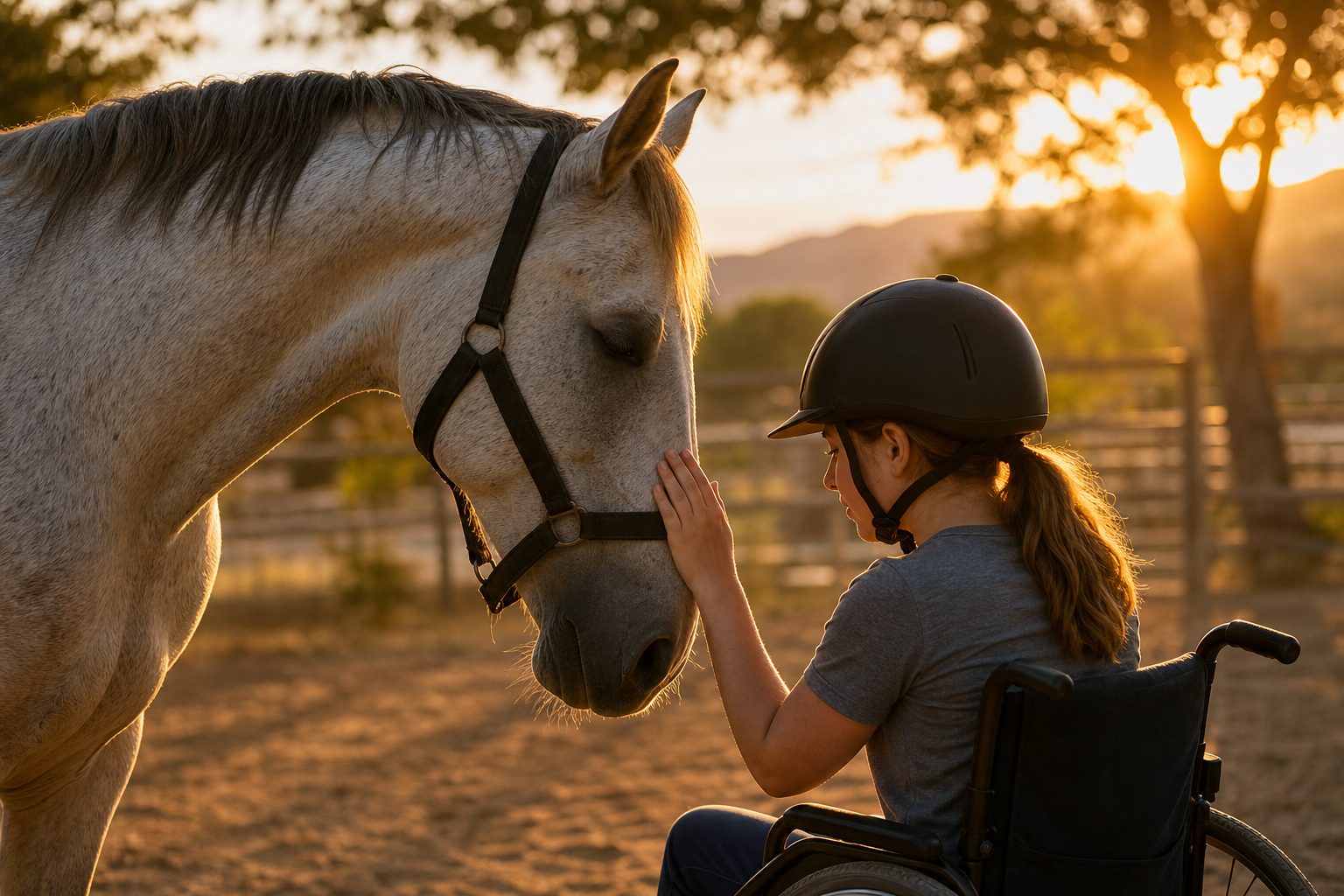
Summer in Ridgecrest brings a particular set of environmental factors that, while often celebrated for outdoor activities, can significantly impact the nuanced world of Horse Therapy. For participants and horses alike, the warmer months introduce sensory variables that demand careful consideration from program directors and session facilitators. We’re talking about more than just heat; it’s a whole cascade of sensory changes that can subtly, or not so subtly, shift the dynamic of a therapeutic session. Understanding these challenges isn’t just about comfort; it’s about maintaining the efficacy and safety of our equine therapy programs.
Identifying Heat-Related Stressors and Their Impact on Equine Behavior
When the mercury rises, especially in a desert climate like Ridgecrest, heat becomes a primary concern. Horses, much like humans, can experience heat stress, which manifests in various ways. You might notice subtle shifts in their energy levels; perhaps a usually spirited horse seems a bit more lethargic, or one who’s typically calm might seem more irritable. This isn’t just a matter of their physical well-being, though that’s paramount; it also directly impacts their behavior as therapy animals. A horse that is uncomfortably hot might be less receptive to cues, appear less engaged with the client, or even show signs of agitation. This can disrupt the natural connection that is so vital in Horse Therapy. We’re thinking about things like increased respiration rates, excessive sweating, or even a lack of interest in their surroundings. Recognizing these indicators early allows us to adjust sessions accordingly, whether that means scheduling during cooler parts of the day or modifying the intensity of activity. We really have to be attuned to these changes to ensure the horse remains a willing and present partner in the therapeutic process, and by extension, that our participants get the most out of their therapeutic riding sessions.
Assessing Increased Insect Activity and Its Sensory Overload Implications
Another significant, albeit often underrated, summer challenge is the surge in insect activity. Flies, mosquitoes, and gnats aren’t just annoying; they’re a major sensory stressor for horses. Imagine trying to focus on emotional regulation or communication exercises while constantly being swarmed.
For a horse, constant stomping, tail swishing, and head tossing are not just reactive behaviors; they indicate a significant distraction and, sometimes, genuine discomfort. This can create a chaotic sensory environment for participants who might already be sensitive to external stimuli, especially those in our programs for PTSD or anxiety. If the horse is continually reacting to insects, it disrupts the flow of the session and makes it much harder for the rider to build rapport or practice focus.
It can also make the horse appear disengaged or difficult, which isn’t fair to them or helpful for the client. We’ve seen how a calm, consistent environment is key to positive outcomes, and a buzzing cloud of insects definitely works against that. It’s not just about physical irritation for the horse; it’s about the consistent mental distraction that can lead to sensory overload for both the equine and the client, hindering the deeper work of the session.
Recognizing Changes in Light and Sound Environments During Warmer Months
Summer days are longer and often brighter, and this shift in natural light can have a notable impact. While ample daylight is generally a good thing, increased intensity, especially direct sunlight during peak hours, can be harsh for both horses and participants. It can cause glare, make it harder to see subtle cues, and simply be uncomfortable, leading to squinting or seeking shade. Think about how a client with light sensitivity might react, or how a horse trying to discern subtle body language from a rider might be affected by strong shadows or blinding sun. Beyond light, the soundscape also often changes. Summer brings more outdoor activity in general. In Ridgecrest, this might mean more distant traffic noise, people out and about, or even increased outdoor events. These background noises, even if seemingly minor to us, can be perceived differently by horses and by our clients. Horses are incredibly sensitive to sound, and unexpected or prolonged noises can elevate their stress levels, making them less settled. For our participants, especially those managing PTSD, unexpected or loud noises can be startling and disruptive to the therapeutic process. Creating a consistent arena space requires us to be mindful of these subtle, yet powerful, environmental shifts, making sure the environment remains conducive to healing and connection. We’ve explored these kinds of environmental adaptations before, such as balancing indoor vs outdoor, and summer certainly brings its own unique blend of factors to consider.
How Humidity and Air Quality Affect Equine Comfort and Session Focus
Finally, we can’t overlook the often-subtle impact of humidity and air quality. While Ridgecrest is known for its dry heat, there can be periods where humidity rises, making the heat feel even more oppressive. High humidity can make it harder for horses to cool themselves efficiently, increasing their discomfort and potentially exacerbating heat stress.
This muggy feeling can also affect human participants, making them more lethargic or irritable. On top of that, summer air quality can sometimes be compromised, whether from dust kicked up by dry conditions or, occasionally, wildfire smoke from surrounding areas. Even if not overtly visible, poor air quality can affect respiratory systems for both horses and humans, leading to reduced energy, coughing, or just a general sense of unease.
When a horse is struggling to breathe comfortably, their ability to focus and engage meaningfully in a therapy session is diminished. Similarly, a client feeling the effects of poor air quality might find it harder to concentrate on the present moment and connect with the horse. All these factors contribute to the overall sensory experience and underscore the importance of understanding and adapting to summer’s unique environmental profile in our Equine Therapy programs.
Proactive Strategies for Optimizing Equine Comfort and Well-being
Implementing Effective Hydration and Cooling Protocols for Therapy Horses
Maintaining optimal hydration and body temperature is crucial for our horses, especially during the sweltering Ridgecrest summers. Horses, much like human athletes, can quickly become dehydrated and overheated, which directly impacts their temperament and willingness to engage in a therapeutic session. Our approach focuses on proactive measures rather than reactive ones.
We ensure constant access to fresh, clean water, often supplementing with electrolytes to replenish vital minerals lost through sweating. During particularly hot spells, we install additional water troughs in turnout areas and stalls, making sure they are clean and refilled frequently. Simply providing water isn’t always enough; we also monitor individual horse consumption, noting any changes that might indicate an underlying issue.
Cooling protocols go beyond just water access. Before and after sessions, especially those held in the warmer parts of the day, our horses receive thorough hosing down, concentrating on large muscle groups and areas where heat typically accumulates. This helps to dissipate heat quickly and efficiently.
We also use fans in stalls and strategically placed misters in covered arenas or grooming areas. These simple steps, when applied consistently, make a significant difference in how our horses feel, creating a more comfortable experience for them and, by extension, for our participants too. It’s about ensuring their physical well-being so they can remain focused and present during equine therapy sessions.
Utilizing Fly Management Techniques to Minimize Distractions
Flies and other biting insects are more than just a nuisance; they can be a major distraction for horses, leading to stomping, tail swishing, head tossing, and a general agitated state. This agitation can disrupt the nuanced connection between horse and client that is so vital in Horse Therapy. Our fly management strategy is multi-faceted, combining environmental control with direct protection.
We maintain meticulous barn hygiene, regularly removing manure and minimizing stagnant water sources where insects breed. This helps reduce the overall fly population around our facility in Ridgecrest.
For direct horse protection, fly masks are standard equipment during turnout and often during sessions, especially for horses that are particularly sensitive. We also use various fly sprays and roll-ons, applying them judiciously before sessions. Some horses might benefit from fly sheets or boots when turned out.
The goal is to minimize their discomfort so they can focus on their role in therapy without constant irritation. A calm horse creates a calmer, more productive session environment; it’s a small detail that makes a big impact on the emotional work being done.
Adapting Turnout and Work Schedules to Avoid Peak Heat Exposure
The desert climate of Ridgecrest means we’re no strangers to intense summer heat. To protect our therapy horses, we significantly adjust their daily schedules during peak summer months. This often means very early morning turnouts, allowing them to enjoy cooler temperatures and graze before the sun becomes oppressive.
Similarly, strenuous sessions or training might be shifted to the early morning or cooler evening hours. This helps prevent heat stress and fatigue, ensuring our horses are fresh and energetic when it matters most. It’s a pragmatic approach to working with nature, rather than against it.
We also monitor local weather forecasts closely, making real-time adjustments as needed. On days with extreme heat advisories, we might shorten session durations, increase breaks, or even move certain activities indoors or to heavily shaded areas. The health and well-being of our horses take precedence. Providing them with opportunities to rest in cool, ventilated stalls during the hottest parts of the day allows them to recover and maintain their incredible resilience. This careful planning ensures they are always comfortable and ready to fully participate in equine therapy.
Nutritional Adjustments to Support Equine Health in Summer
Summer heat places additional metabolic demands on horses, making nutritional support even more critical. Our feed programs are carefully re-evaluated and adjusted to account for increased sweating and potential electrolyte loss. We often increase access to salt (both free-choice blocks and loose salt) and ensure electrolyte supplements are consistently provided, particularly for horses in regular work.
Some horses might benefit from a slight increase in digestible fibers, which produce less internal heat during digestion compared to high-starch feeds. It’s all about maintaining a balanced diet that supports their energy levels without contributing to overheating.
The quality and availability of forage also play a crucial role. We make sure our horses have constant access to good quality hay, even if they are out on pasture. Hay provides essential fiber and encourages consistent water intake.
For some horses, offering soaked hay can increase water consumption. Regular monitoring of body condition, hydration status, and manure consistency helps us fine-tune individual diets. These adjustments are vital for keeping our horses in peak physical condition, which in turn allows them to perform their therapeutic roles effectively and consistently.
Creating Shaded and Ventilated Session Environments
Environmental control is paramount in managing sensory considerations during summer Equine Therapy sessions. We actively work to create shaded and well-ventilated spaces, even for outdoor arenas. This often involves strategic placement of shade sails, canopies, or scheduling sessions in areas with natural tree cover during the hottest parts of the day.
In our facility, we understand that providing a cooler, more comfortable setting directly impacts both the horse’s and the human participant’s experience. It helps reduce glare, lowers ambient temperature, and creates a more visually and physically comfortable space.
For any indoor or semi-enclosed spaces, excellent ventilation is a must. High-volume, low-speed fans are incredibly effective at circulating air and creating a cooling breeze, even without air conditioning. We also consider ground surfaces in both indoor and outdoor arenas; lighter-colored footing can reflect heat better than darker surfaces.
By consciously designing and adapting our session environments, we mitigate many of the sensory challenges posed by summer. This allows for a deeper connection between horse and client, facilitating the therapeutic process without unnecessary environmental stressors. A thoughtful approach to our spaces helps create a sense of calm and safety for everyone involved.
Tailoring Therapy Sessions to Account for Summer Sensory Inputs
Modifying Activity Intensity and Duration for Client Safety and Equine Comfort
Summer brings its own set of challenges, especially when it comes to maintaining an optimal therapeutic environment for Horse Therapy sessions. One of the most crucial adaptations involves adjusting the intensity and duration of activities. When temperatures climb, both horses and participants can become more susceptible to fatigue, dehydration, and sensory overload. For instance, in Ridgecrest, CA, average summer temperatures can easily exceed 100 degrees Fahrenheit, making mid-day sessions particularly taxing. We might shorten a typical 60-minute session to 45 minutes, or even split it into two shorter segments with a break in between, especially for clients who might have sensory sensitivities or physical limitations. This not only protects the horse from overheating but also ensures the client remains engaged and comfortable, preventing potential meltdowns or anxiety spikes. We often shift from high-energy riding exercises to more ground-based activities like grooming or simple leading practice, which still provide profound therapeutic benefits without the added physical exertion. Are you thinking about how your current programs measure up? Learn more about how thor serves.
Consider the type of movements during a session. Instead of extensive trotting or cantering, we focus on slower, more deliberate walking patterns, which naturally reduce the equine effort and thus internal heat generation. For participants, this change in pace can actually enhance focus and connection with the horse, as they become more attuned to subtle movements and communication cues.
Think about it: a slower pace allows for more mindful breathing and observation, which is inherently therapeutic. For participants with PTSD, for example, a calm, predictable pace can be incredibly grounding, preventing overstimulation that faster gaits might induce. It’s not about doing less, but about doing what’s appropriate for the summer conditions to maximize comfort and safety for everyone involved.
Incorporating Sensory Calming Techniques and Tools into Sessions
Heat and sunlight aren’t the only summer sensory inputs that need managing; there’s also increased ambient noise from summer activities, longer daylight hours, and even different smells from blooming plants. To counteract these, we actively incorporate sensory calming techniques and tools. For a Horse Therapy program, this could mean using aromatherapy sprays (horse-safe, of course) like lavender around the session area to create a more tranquil atmosphere.
We might also provide noise-canceling headphones for participants who are particularly sensitive to sounds, helping them maintain focus on the horse rather than external distractions. These small adjustments can make a world of difference, especially for clients who are prone to sensory overload. We’ve found that even something as simple as offering a cool, damp cloth to participants can help regulate their body temperature and provide a calming sensory input during a session.
Visual aids can also be adjusted. For example, using shaded riding arenas or bringing in temporary blinds can help manage glare and harsh sunlight, which can be disorienting for some participants. For others, a slightly darkened space might feel more contained and safe. Sometimes, just having a personal fan available helps. These tools aren’t just comfort items; they are integral parts of the therapeutic process, acting as environmental modifications that support emotional regulation and cognitive function. Effectively, we’re creating a micro-environment within the broader summer setting that caters to individual needs, allowing the pure healing through hoofbeats to take precedence. The goal is always to minimize distractions and maximize the client’s ability to engage with the horse and the therapeutic process.
Adjusting Arena or Session Locations to Mitigate Environmental Factors
The physical location of an Equine Therapy session becomes particularly important during the summer months. In Ridgecrest, where the sun beats down relentlessly, choosing the right spot can significantly impact comfort and safety. We prioritize shaded arenas, whether natural (under large trees, often in the early morning) or man-made (covered structures), to reduce direct sun exposure for both horse and client. If our primary arena becomes too hot, we might shift to a cooler outdoor spot that’s naturally sheltered, or consider indoor arenas if available. While indoor vs outdoor are different, adapting is key to client comfort. Sometimes, this means moving sessions to very early morning or late evening to capitalize on cooler temperatures, which also generally correspond with less intense sunlight and fewer harsh shadows that might startle a horse or disorient a rider.
Beyond shade, factors like air circulation also play a role. We select locations where natural breezes can help cool the space, or where industrial fans can be safely set up to create airflow. Even the ground surface needs consideration: sand arenas retain less heat than asphalt, for example.
We might even utilize smaller, enclosed spaces for groundwork if the open arena is too exposed. The idea is to strategically use the available environment to our advantage, creating consistent arena spaces that feel safe, even as the seasonal external environment changes. This attention to detail demonstrates a commitment to client well-being and shows the horse that their comfort matters too, reinforcing the bond that is so vital to effective therapy.
Communicating Proactively with Clients About Session Adaptations
Open and proactive communication with clients is paramount, especially when making seasonal adjustments to Equine Therapy sessions. Before summer even fully kicks in, we start discussing potential changes in scheduling, activity types, and even recommended attire. For instance, we advise participants in Ridgecrest to wear lightweight, light-colored clothing, wide-brimmed hats, and to bring plenty of water. We aim to manage expectations by clearly explaining why certain adaptations are necessary – for both their comfort and the horse’s well-being. This might involve sending out a pre-summer briefing, or having an introductory conversation with new clients about our summer protocols.
During the session planning stage, we often ask clients about their comfort levels and any specific sensory sensitivities they might have, allowing for truly individualized modifications. This might seem like a small detail, but for a client who experiences anxiety or sensory processing issues, knowing what to expect and having their input valued can significantly reduce apprehension and build trust. We explain that these changes are not a compromise on the therapy itself, but rather an enhancement, allowing the therapeutic process to continue effectively despite the heat. Creating your PTSD treatment team often means clear communication, and this extends to our partnerships with equine. Regular check-ins throughout a session also help us gauge real-time comfort and make immediate, on-the-spot adjustments, ensuring that every participant feels heard, safe, and fully supported in their therapeutic journey with the horses.
Enhancing the Human-Equine Partnership Through Mindful Summer Management
Training and Desensitization for Common Summer Stimuli
Adapting our therapy horses to the unique sensory landscape of summer in Ridgecrest is a continuous process, not a one-time event. We’re talking about focused training and desensitization programs that specifically address the stimuli that often become more prevalent or intense during warmer months.
Think about the sudden, loud noises from recreational vehicles or aircraft flying over (which can happen frequently here). Our horses undergo gradual exposure to recordings of these sounds at increasing volumes, always paired with positive reinforcement, to build their tolerance. Similarly, the visual impact of bright, reflective surfaces, like nearby cars or even water puddles after an unexpected summer shower, requires specific desensitization. We’ll introduce these items in controlled settings, allowing the horse to observe and habituate without panic. This kind of thoughtful preparation ensures that when these events occur during an actual equine session, the horse can remain calm and focused, rather than reactive. It’s all about creating resilience and predictability for them.
Observing and Interpreting Subtle Cues of Equine Discomfort
Working with horses, especially in a therapeutic context, demands an acute understanding of their non-verbal communication. This becomes even more critical during summer when environmental stressors like heat, humidity, or increased insect activity can subtly impact their comfort. Professionals in equine therapy need to be expert interpreters of equine body language.
For example, a slight shift in weight, a subtle flick of an ear, or a momentary tensing of the jaw might indicate discomfort. It’s not always an obvious head shake or stomping hooves. During a summer session, a horse might respond to a bothersome fly with a barely perceptible twitch of a muscle, which, if ignored, could escalate into a head toss that startles a participant.
Our team is trained to spot these micro-expressions and contextualize them. Is the horse restless because of a minor irritation, or is it genuinely feeling overwhelmed by a combination of factors? Understanding differences in facial expressions, tail carriage, and even breathing patterns gives us invaluable insights.
This continuous observation helps us make real-time adjustments, such as moving to a shadier part of the arena or briefly stepping away from a bothersome stimulus, preventing escalation and maintaining a positive therapeutic environment for the client.
Fostering a Calm and Supportive Atmosphere for Both Horse and Client
Creating a truly therapeutic environment is about more than just the horse; it’s about the entire ecosystem of the session, especially during challenging times like peak summer. It’s about how we, as facilitators, manage the atmosphere to ensure both the horse and the human participant feel safe and supported. This involves intentional choices in our communication, our presence, and even the simple routines we establish.
During summer, when energy levels might be higher due to the heat or unexpected environmental changes, maintaining a calm demeanor is paramount. Our team focuses on using a soft, modulated voice, engaging in slow and deliberate movements, and projecting an overall sense of calm. This helps to de-escalate any potential anxiety in the horse and, by extension, in the client. We also try to build in predictable routines. For instance, each session might begin with a standardized grooming process, which not only builds connection but also provides a calming structure. This predictable beginning helps both horse and client to settle in, knowing what to expect. Simple practices like mindful breathing by the facilitator can also subtly influence the energy in the space, creating a ripple effect of calm. This supportive atmosphere ensures that despite any external summer pressures, the core therapeutic work can continue effectively.
Building Resilience in Therapy Horses for Varying Environmental Conditions
Our therapy horses aren’t just pets; they’re vital team members in the healing process. Therefore, building their resilience to varying environmental conditions, particularly the intense summer climate of Ridgecrest, is a core part of our program. It’s about ensuring they can handle unexpected changes without becoming overwhelmed, enabling them to consistently provide the calm presence our clients need.
This resilience isn’t just about physical conditioning; it’s deeply tied to their mental and emotional well-being. We implement gradual exposure techniques to different weather conditions (within reason and always prioritizing their safety). For example, introducing horses to sessions during slightly breezy days or when there’s a little more dust in the air, allowing them to adapt incrementally. We also cross-train them in various arenas and settings, so they don’t become overly dependent on one specific environment. This exposure, always under careful supervision, helps them develop coping mechanisms and trust that their handlers will keep them safe. Furthermore, enrichment activities play a huge role. Providing puzzles, varied turnout, and opportunities for natural horse behaviors helps them stay mentally agile and less prone to stress when their routine or environment shifts. This holistic approach ensures that our horses are not just physically fit but are also mentally robust, capable of maintaining their therapeutic connection no matter what the summer season throws at us. What makes a horse truly excellent in therapy isn’t just their calm default, but their ability to remain calm even when things are a bit unpredictable.
Facility Management and Resource Allocation for Peak Summer Operations
Managing a thriving therapeutic riding program in Ridgecrest, especially during the intense summer months, really boils down to proactive facility management and smart resource allocation. We’re talking about more than just keeping the horses cool (though that’s huge, of course). It’s about creating an overall environment that supports both the physical and emotional well-being of the horses and the participants.
The sensory landscape shifts dramatically with the heat, from brighter glare to different scents and even the buzzing of insects. Thinking ahead about how your facility can mitigate these changes is absolutely critical for maintaining the consistency and quality of sessions.
Ensuring Adequate Water Access and Cooling Stations Throughout the Property
One of the most fundamental aspects of summer facility management is ensuring constant, clean, and easily accessible water for all horses. This isn’t just about the troughs in paddocks; it extends to specific cooling stations. Consider setting up misters or designated wash-down areas with appropriate drainage.
These aren’t just for after a session, but can also be used for brief cool-downs during a particularly hot part of the day. A simple hose-down can significantly lower a horse’s body temperature, helping prevent heat stress. For our clients, having access to shaded water stations for themselves is also key.
Dehydration affects humans too, and a client who feels well hydrated is much more likely to engage fully in their equine therapy session.
Maintaining Pest Control Systems and Facility Hygiene
Summer inevitably brings an increase in flies, mosquitoes, and other insects. While a few flies are a natural part of being outside, an unchecked pest problem can be a major sensory distraction and even a health concern for both horses and humans. Implementing an effective, horse-safe pest control system becomes paramount. This might involve fly masks and sheets for the horses, strategic placement of fly traps, and even natural repellents. Beyond external measures, rigorous facility hygiene is crucial. Regular manure removal, keeping feed areas clean, and preventing standing water reduces breeding grounds for insects. A clean environment, free from strong, unpleasant odors or constant buzzing, creates a much calmer and more focused space for therapeutic riding tips, supporting the emotional safety and connection that are so vital to horse therapy sessions. Participants might often be more sensitive to these sensory inputs, so minimizing them helps everyone.
Investing in Appropriate Shade Structures and Ventilation Systems
Shade is not just a luxury in Ridgecrest summers; it’s a necessity. Investing in permanent or semi-permanent shade structures for turnout areas, arena sidelines, and even along walking paths can make a huge difference. These are physical buffers against direct sunlight and heat.
For any enclosed or semi-enclosed spaces used for grooming or tacking, good ventilation is non-negotiable. Industrial fans or even strategically placed natural ventilation can help circulate air, preventing heat buildup. This also ties into managing the arena space; temporary tarps or shade cloths over parts of the arena during peak sun hours can make it usable and comfortable.
It’s about understanding how the sun moves throughout the day and planning your facility usage around those patterns.
Developing Emergency Response Plans for Extreme Heat Events
Despite all proactive measures, extreme heat events can and do happen. Having a clear, practiced emergency response plan is absolutely essential. This includes knowing the signs of heat stress in horses and humans, having protocols for rapid cooling, and clear communication channels for staff.
What’s the plan if a horse becomes overheated mid-session? Where’s the nearest vet? How do you ensure clients are safe and transported if necessary?
These aren’t questions you want to be figuring out in the moment. Regularly reviewing and updating these plans, especially with staff who are on the ground daily, ensures everyone knows their role. It’s about being prepared for the worst so you can always provide the best care, ensuring safety without constant worry.
This level of preparedness gives everyone, from the facility manager to the newest client, a sense of security.
Ultimately, managing sensory considerations for equine therapy sessions during peak summer months isn’t just about comfort; it’s about optimizing the therapeutic environment. It allows our horses to maintain their calm demeanor, which is vital for the bond they form with participants. And it ensures our clients can focus on the deeper work of their horse therapy programs, rather than being overwhelmed by external stimuli. By implementing these facility management adjustments, we create a more consistent, safe, and emotionally supportive space for healing, even when the Ridgecrest sun is at its most intense. Think of every implemented strategy as an investment in the long-term success and well-being of both our herd and our human clients. We encourage you to reach out to us at THOR to see how our dedicated team manages these considerations firsthand.
Related Posts
- Programs, People, and Purpose: How THOR Serves Ridgecrest with Horse-Powered Therapy
- Healing Through Hoofbeats: The Origins and Impact of THOR in Ridgecrest
- From Stall to Support: The Future of THOR and Its Role in Ridgecrest’s Evolving Care Landscape
- March Forward with Confidence Why Now is the Perfect Time to Start PTSD Treatment
- Indoor vs Outdoor Equine Sessions Adapting PTSD Therapy Programs for Every Season
- Creating Your PTSD Treatment Team How to Partner with Equine Therapy Specialists
- The Science Behind Horse Therapy What Clinic Directors Need to Know About Measuring Success
- Why March Weather Changes Can Trigger PTSD Symptoms and How Equine Therapy Helps
