
Specialized Coverage Types That Traditional Insurers Still Miss in 2026
The Liability Gap: What Traditional Policies Don’t Cover in Therapeutic Settings
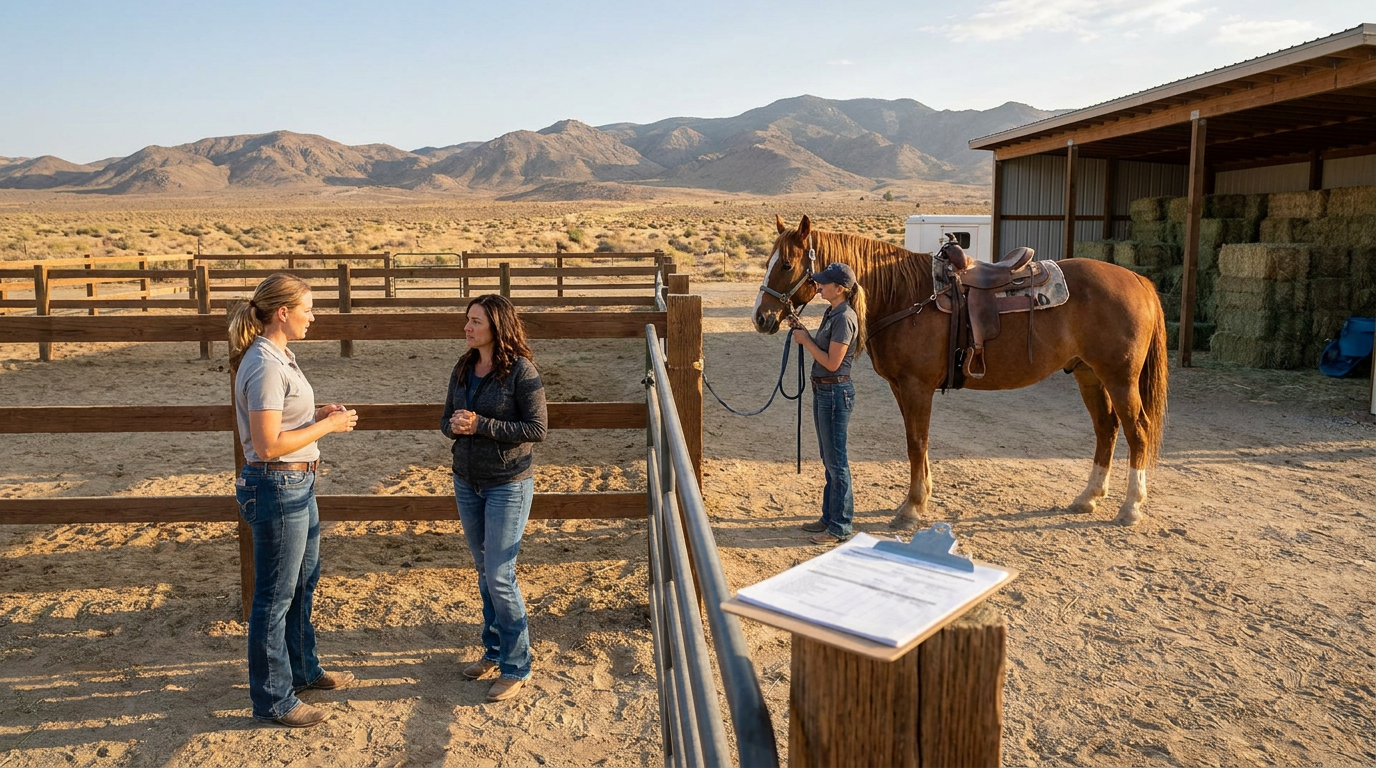
Picture this: A certified equine-assisted psychotherapy session in Ridgecrest turns into a nightmare when a therapy horse spooks, injuring a client with PTSD. The traditional general liability policy denies the claim, citing exclusions for animal-related incidents. The professional liability carrier points fingers at the general policy. Meanwhile, legal bills pile up faster than hay bales in summer.
This scenario plays out more often than most equine therapy providers realize. Traditional insurance companies still operate under outdated assumptions about what constitutes “therapy” and how animals fit into treatment protocols. The result? Massive coverage gaps that leave therapeutic programs financially exposed when they need protection most.
Professional Liability vs. General Liability in Animal-Assisted Therapy
Most traditional insurers treat equine therapy like it’s either pure healthcare or simple horseback riding. But the reality involves both elements simultaneously, creating a coverage minefield that standard policies aren’t designed to navigate.
Professional liability policies typically cover treatment decisions, therapeutic interventions, and clinical judgments. However, when a horse becomes part of the treatment team, these policies often exclude animal-related incidents entirely. The assumption? Animals aren’t “medical equipment” in the traditional sense, so they fall outside professional coverage scope.
General liability policies, meanwhile, might cover property damage or bodily injury from business operations. But they frequently exclude professional services and therapeutic activities. When your therapeutic programs blend clinical treatment with animal interaction, you’re left in a coverage dead zone where neither policy wants to step up.
The financial impact hits hard. A single incident involving a therapy horse can generate claims exceeding $500,000 when medical expenses, lost wages, and legal fees combine. Traditional insurers often fight these claims for months, forcing providers to choose between expensive litigation or devastating settlements.
Coverage Gaps When Horses Interact with Vulnerable Populations
Equine therapy attracts clients dealing with trauma, disabilities, and mental health challenges. These vulnerable populations require specialized protection that traditional policies simply don’t recognize or address.
Standard liability coverage assumes participants can make informed decisions about risks and understand safety protocols. But what happens when your client base includes children with autism, veterans experiencing PTSD flashbacks, or individuals with cognitive impairments? Traditional insurers classify these situations as “high-risk” and either exclude coverage or price policies beyond reach.
The documentation requirements create another hurdle. Traditional policies expect standard medical charts and treatment notes. Equine therapy involves behavioral observations, horse-client interactions, and environmental factors that don’t fit conventional medical documentation formats. When claims arise, insurers question the validity of treatment records that don’t match their traditional healthcare templates.
Geographic factors add complexity too. Rural locations like Ridgecrest face unique challenges with emergency response times, veterinary availability, and specialized medical care access. Traditional policies rarely account for these regional variables when assessing risk or processing claims.
The Gray Area Between Medical Treatment and Recreational Activity
Traditional insurers struggle with equine therapy’s dual nature. Is it medical treatment requiring professional liability coverage? Is it recreational activity needing general liability protection? Most policies force programs to choose one classification, leaving gaps regardless of selection.
This classification confusion creates real-world problems. A client experiencing therapeutic breakthrough during a mounted session falls and suffers injury. The professional liability carrier argues it was recreational riding. The general liability insurer claims it was medical treatment. Neither pays while legal costs mount.
Equipment coverage presents similar challenges. Therapeutic tack, specialized mounting equipment, and sensory tools don’t fit standard business property categories. When equipment fails during sessions, traditional policies often exclude coverage because items don’t match conventional business equipment definitions.
Multi-Party Liability Scenarios That Standard Policies Exclude
Equine therapy involves multiple parties: therapists, horse handlers, volunteers, clients, and family members. Traditional policies typically cover single-party scenarios but struggle with complex multi-party incidents common in therapeutic settings.
Consider a scenario where a volunteer leads a therapy horse while a licensed therapist conducts treatment and family members observe. If something goes wrong, determining liability becomes complicated. Which insurance policy responds? Who’s primarily liable? Traditional insurers often spend more energy fighting each other than protecting their policyholders.
The rise of specialized therapeutic programs compounds these challenges. As equine therapy evolves and expands, traditional insurers lag behind, creating coverage gaps that grow wider each year. Programs operating under these outdated policies remain vulnerable to catastrophic financial losses that could end their ability to serve communities.
Specialized Equipment and Facility Coverage Overlooked by Mainstream Insurers
Adaptive Equipment and Specialized Tack Protection
Traditional insurers completely miss the boat when it comes to adaptive equipment used in therapeutic settings. Standard horse insurance might cover a basic saddle, but what about specialized mounting blocks with hydraulic lifts? Or therapeutic saddles designed for participants with mobility challenges?
These pieces of equipment often cost three to five times more than standard tack, yet most policies lump them into generic “equipment” categories with laughably low coverage limits. A therapeutic mounting system alone can run $15,000 to $25,000, but your standard equine policy might cap equipment coverage at $5,000 total.
The real kicker? Many adaptive tack pieces are custom-built for specific participants or conditions. When a specialized communication vest for autism therapy gets damaged, you can’t just grab a replacement from the local tack shop. Replacement time can stretch months, effectively shutting down certain program components.
Smart insurers recognize this gap and offer separate adaptive equipment riders. These policies understand that a sensory-friendly helmet with built-in noise cancellation technology serves a therapeutic purpose that standard coverage simply doesn’t account for.
Indoor Arena and Specialized Facility Infrastructure
Here’s where mainstream insurance companies really show their ignorance about therapeutic operations. They’ll happily insure your barn and outdoor arenas under standard commercial property coverage, but mention specialized therapy infrastructure and watch them scramble for their exclusion clauses.
Consider the unique requirements of indoor therapy environments that serve trauma survivors year-round. These facilities need specialized flooring that provides proper footing while remaining safe for participants using mobility aids. Standard sand or rubber footing won’t cut it when you’re working with someone navigating PTSD triggers.
The specialized lighting systems required for therapy work present another blind spot. Traditional barn insurance assumes basic overhead lighting, but therapeutic environments often need adjustable, non-flickering LED systems that can be dimmed for anxiety management or brightened for specific activities. These systems cost significantly more and require specialized maintenance.
Climate control becomes critical when serving vulnerable populations. A standard barn might get by with basic ventilation, but therapeutic facilities often require precise temperature and humidity control to ensure participant comfort and safety. When these systems fail, it’s not just inconvenient (it can halt programming entirely).
Mobile Therapy Units and Off-Site Program Coverage
Mobile equine therapy programs face unique insurance challenges that traditional carriers simply don’t understand. These operations transport horses and equipment to schools, rehabilitation centers, and community locations throughout areas like Ridgecrest and surrounding regions.
Standard equine transport insurance covers moving horses for shows or sales, but therapeutic transport involves additional considerations. Mobile units carry specialized equipment, often work in unfamiliar environments, and serve participants with varying needs and risk profiles.
The liability exposure changes dramatically when you’re operating on someone else’s property. A traditional farm policy might cover activities on your premises, but what happens when a participant is injured during a session at a local school or community center? Most standard policies exclude off-premises operations entirely.
Equipment coverage becomes more complex with mobile programs. That expensive portable mounting system experiences more wear and tear when it’s constantly loaded, transported, and set up in different locations. Weather exposure increases, and theft risk multiplies when equipment sits in transport vehicles or temporary locations.
Technology Integration: Monitoring Systems and Safety Equipment
Modern therapeutic programs increasingly rely on technology that traditional insurers don’t even know exists. Heart rate monitoring systems that track both horse and participant responses during sessions can cost $10,000 or more per setup, yet standard policies often exclude electronic equipment entirely.
Video monitoring systems serve multiple purposes in therapeutic settings. They document progress for treatment teams, provide safety oversight, and offer review opportunities for continuous program improvement. When these systems fail or get damaged, programs lose critical documentation capabilities.
Communication devices designed for therapeutic use face unique challenges. Emergency alert systems that connect participants, staff, and emergency services require specialized coverage. These aren’t standard walkie-talkies (they’re sophisticated communication networks designed to function reliably in crisis situations).
Environmental monitoring systems that track air quality, noise levels, and other factors affecting therapeutic outcomes represent another coverage gap. Traditional insurers view these as “optional” technology, but therapeutic programs often require them for accreditation and participant safety compliance.
Professional Development and Certification Coverage Gaps
Continuing Education and Certification Maintenance Protection
Traditional insurers typically view professional development as optional overhead, but equine therapy practitioners face unique certification requirements that can make or break their practice. When your PATH International certification expires mid-program because you couldn’t attend required workshops due to an insurance claim investigation, standard policies leave you completely exposed.
The gap becomes particularly problematic when practitioners need emergency recertification. A therapeutic riding instructor dealing with a liability claim might find their certification suspended pending investigation. Standard policies don’t cover the costs of expedited recertification processes, which can run $2,000-4,000 for accelerated PATH courses. Even more concerning, they don’t address income protection during mandatory certification suspension periods.
Specialized coverage should include protection for continuing education expenses when disrupted by covered claims. This means paying for replacement workshop fees, travel expenses for makeup sessions, and even covering the costs of bringing certified instructors to your facility when you can’t travel. Some progressive insurers now offer annual CE allowances of $1,500-3,000 specifically for equine therapy practitioners, recognizing that ongoing education directly reduces liability risk.
Cross-Training Insurance for Multi-Disciplinary Practitioners
The reality of modern therapeutic practice means most practitioners wear multiple hats. You might be a licensed physical therapist running equine-assisted therapy sessions while also maintaining your traditional clinical practice. Traditional policies create dangerous coverage gaps when claims cross disciplinary boundaries.
Consider this scenario: A client injured during an equine therapy session later claims the injury was exacerbated by physical therapy techniques you incorporated into the mounted session. Your standard PT liability policy excludes equine activities, while your equine therapy coverage doesn’t extend to clinical interventions. You’re stuck in a coverage no-man’s land that could cost you everything.
The problem extends beyond liability into professional licensing protection. When a complaint gets filed with your state licensing board for both your PT license and your equine therapy certification, traditional insurers often refuse to defend both simultaneously. They argue the claims are separate issues, leaving you to fund multiple defense strategies out of pocket.
Smart practitioners are demanding integrated coverage that recognizes the interconnected nature of modern therapeutic practice. This includes unified defense coverage for all professional licenses, cross-disciplinary liability protection, and programs that actually understand how different therapeutic modalities complement each other rather than treating them as isolated risk factors.
Student Practitioner and Supervision Coverage
Every experienced practitioner knows that training the next generation is crucial for our field’s growth, but traditional insurance treats student supervision like a massive liability instead of recognizing it as professional responsibility. The coverage gaps here can destroy both mentor and student careers simultaneously.
Standard policies typically exclude coverage for student actions entirely, or provide such limited protection that it’s essentially worthless. When a supervised student makes an error during a therapeutic session, mentors often discover their coverage doesn’t extend to supervisory liability. This creates a chilling effect where experienced practitioners avoid taking on students, ultimately harming the entire profession.
The documentation requirements alone create nightmares with traditional coverage. Insurers demand impossibly detailed supervision logs, competency assessments, and incident reports that consume hours each week. Many practitioners spend more time documenting student supervision than actually providing it, which defeats the entire purpose of mentorship programs.
Forward-thinking coverage addresses these gaps by providing comprehensive student practitioner protection. This includes coverage for supervised student actions, mentorship liability protection, and streamlined documentation requirements that actually support learning rather than hindering it. The best policies also include coverage for emergency supervision situations, like when a mentor becomes unavailable and qualified backup supervision must be arranged immediately.
International Training and Exchange Program Protection
The global nature of equine therapy means many practitioners seek training opportunities abroad, but traditional policies offer zero protection for international professional activities. Whether you’re studying natural horsemanship techniques in Australia or attending specialized therapy training in Germany, you’re operating without coverage.
The complications multiply when international experiences become part of your professional credentials. Some science-based training programs require international components for certification, but traditional insurers won’t cover activities outside U.S. borders. This forces practitioners to choose between career advancement and insurance protection.
Emergency repatriation coverage becomes critical when international training involves hands-on horse work. Standard travel insurance doesn’t cover professional activities, while professional liability policies exclude international coverage. The result is dangerous gaps that leave practitioners vulnerable to massive financial exposure during what should be career-enhancing experiences.
Comprehensive international coverage should include professional liability protection during overseas training, emergency medical evacuation for horse-related injuries abroad, and coverage for equipment damage or loss during international programs. The investment in proper coverage pays for itself when you consider the career-limiting alternative of avoiding international training opportunities entirely.
Unique Risk Scenarios in Therapeutic Horse Programs
Weather-Related Program Disruptions and Continuity Coverage
Traditional insurers typically view weather as a basic property concern, but therapeutic horse programs face unique challenges that standard policies completely miss. When severe weather hits Ridgecrest, the impact goes far beyond cancelled sessions.
Consider what happens when a sudden desert windstorm forces program cancellation during a critical PTSD treatment sequence. Participants might be mid-breakthrough in their therapy progression, and the disruption can actually trigger setbacks. Most insurers won’t cover the costs of emergency alternative therapy arrangements or the specialized indoor equipment needed to maintain continuity.
The specialized coverage gap becomes even more apparent during extended heat advisories common in our desert climate. Standard policies might cover facility cooling costs, but they won’t address the expense of relocating therapeutic horses to climate-controlled environments or the liability issues that arise when programs must suddenly shift to different venues.
What’s particularly frustrating is that traditional insurers don’t understand the sequential nature of therapeutic interventions. Missing three sessions due to weather isn’t just lost revenue (it’s actually lost therapeutic momentum that can take weeks to rebuild). Specialized equine therapy insurance now includes program continuity coverage that addresses these realities.
Horse Health Emergencies During Active Sessions
Here’s where traditional coverage falls apart completely. Standard equine policies treat horses as property, but therapy horses experiencing medical emergencies during active sessions create liability scenarios that most insurers have never considered.
Picture this: a therapy horse suddenly colics during a session with a veteran working through PTSD triggers. The immediate veterinary response is just the beginning. You’ve got participant safety concerns, potential trauma from witnessing animal distress, session continuation decisions, and the need for immediate replacement therapy arrangements.
Traditional policies might cover the veterinary bills, but they won’t address the specialized counseling needed for participants who witness the emergency, the liability exposure from session disruption, or the costs of emergency alternative therapy provisions. Some participants actually develop stronger therapeutic bonds after experiencing these challenging moments with their equine therapy partners, but that requires immediate specialized support.
The coverage gap extends to the replacement horse scenarios too. Getting a certified therapy horse on short notice costs significantly more than standard horse replacement, and the liability issues around introducing new horses to ongoing treatment protocols create risks that traditional insurers simply don’t recognize.
Client Medical Episodes and Emergency Response Protocols
Medical emergencies during therapeutic sessions present liability exposures that standard insurance approaches completely misunderstand. When a client experiences a panic attack, seizure, or other medical episode while working with horses, the response protocol involves both human medical care and horse management simultaneously.
Traditional liability coverage assumes straightforward emergency response procedures, but therapeutic settings require specialized protocols. Staff must simultaneously manage the client’s medical needs, ensure horse safety, address other participants’ emotional responses, and maintain therapeutic environment stability.
The liability exposure multiplies when you consider that many therapeutic riding participants have complex medical histories. Standard policies don’t account for the increased emergency response costs, the specialized medical equipment needed on-site, or the liability issues around continuing sessions with other participants after an emergency.
What traditional insurers miss is that medical episodes in therapeutic settings often require follow-up therapeutic support for all participants who witnessed the event. The coverage needs to extend beyond immediate medical costs to include specialized debriefing services and potential session modifications.
Volunteer and Family Member Liability in Therapeutic Settings
Volunteer liability in therapeutic horse programs creates coverage gaps that traditional insurers consistently underestimate. Unlike recreational riding programs, therapeutic settings involve volunteers working with participants who have complex medical, psychological, and behavioral needs.
Family members present particularly challenging liability scenarios. When a spouse volunteers during their partner’s veterans & ptsd session, they’re not just standard volunteers. They have emotional investment in the outcome, potential triggers of their own, and complex interpersonal dynamics that can affect both safety and treatment effectiveness.
Traditional volunteer insurance doesn’t address the specialized training requirements, the liability exposure from family dynamics, or the coverage needs when volunteers experience secondary trauma from participating in intensive therapeutic interventions. The insurance gaps become particularly problematic when volunteers require their own therapeutic support after difficult sessions.
Standard policies also miss the liability exposure from volunteer screening failures. Therapeutic programs require more intensive background checks and psychological screening than recreational programs, and the costs associated with screening failures create liability exposures that traditional coverage simply doesn’t anticipate.
Regulatory Compliance and Documentation Coverage
HIPAA Compliance and Patient Privacy Protection
When working with vulnerable populations in therapeutic settings, equine therapy programs face strict HIPAA requirements that traditional insurers often treat as an afterthought. Standard general liability policies typically exclude coverage for privacy breaches, leaving therapeutic riding programs exposed to hefty fines and legal costs.
Specialized coverage now includes dedicated HIPAA violation protection, covering both accidental disclosures and systematic compliance failures. This coverage kicks in when a staff member accidentally shares participant information or when documentation practices don’t meet federal standards. The premiums might seem steep initially, but considering that HIPAA violations can cost anywhere from $100 to $50,000 per incident, the protection actually makes financial sense.
Programs in Ridgecrest working with military families or veterans face additional scrutiny, as veterans’ health information carries extra sensitivity requirements. Your policy should explicitly cover telehealth sessions, electronic record systems, and even social media posts that might inadvertently reveal protected information about participants.
State Licensing and Professional Board Investigation Defense
Professional licensing boards are cracking down on therapeutic programs harder than ever, and traditional insurers rarely understand the specific requirements equine therapy professionals face. When a complaint gets filed against your program or staff members, legal defense costs can quickly spiral into five-figure territory.
Specialized policies now offer dedicated professional board defense coverage that goes beyond basic professional liability. This includes coverage for investigations, hearings, and license suspension appeals. The policy typically covers attorney fees, expert witness costs, and even lost income during suspension periods.
California’s licensing requirements for therapeutic riding instructors have become increasingly complex, with new continuing education mandates and safety protocols. Your coverage should protect against claims related to improper supervision, inadequate training documentation, or failure to meet state-specific certification requirements. Programs often discover too late that their standard policy excludes these administrative proceedings entirely.
Documentation and Record-Keeping Liability
Inadequate documentation has become a leading cause of liability claims in therapeutic settings, yet most traditional policies don’t address the specific risks around treatment records and progress notes. When documentation practices fall short of professional standards, programs face exposure from multiple angles.
Specialized coverage protects against claims arising from incomplete session notes, missing medical clearances, or failure to properly document participant progress. This becomes particularly important when insurance companies or medical providers later question the therapeutic value of sessions. Your policy should cover the costs of recreating lost records, hiring expert witnesses to validate treatment protocols, and defending against claims that inadequate documentation led to participant injury.
Electronic record-keeping systems add another layer of complexity. Coverage should extend to data corruption, system failures, and cyber attacks that compromise participant information. Many programs underestimate how quickly costs escalate when you need to notify hundreds of participants about a data breach while simultaneously defending against regulatory investigations.
Accreditation Body Requirements and Compliance Costs
Organizations like PATH International have increasingly stringent accreditation standards, and failing to maintain compliance can trigger both liability exposure and business interruption. Traditional insurers typically don’t understand how accreditation requirements translate into operational risks.
Specialized policies now offer compliance cost coverage that helps programs maintain accreditation standards without breaking the budget. This includes coverage for emergency safety upgrades, staff retraining requirements, and facility modifications needed to maintain certification. When accreditation bodies require immediate changes to maintain standing, programs need financial protection to implement these updates quickly.
The coverage often extends to temporary staff costs when regular instructors need additional certification training. Programs in smaller communities like Ridgecrest face particular challenges finding qualified replacement staff during training periods. Your policy should cover these operational disruptions and the associated costs of maintaining program continuity.
Some policies also include coverage for accreditation defense, protecting programs when their certification status gets challenged or when they face suspension proceedings. This coverage proves invaluable when programs need to demonstrate compliance with complex safety protocols or when participant injuries lead to accreditation reviews.
Building a Comprehensive Coverage Strategy for Modern Therapeutic Programs
Working with Specialty Insurers Who Understand the Industry
Traditional insurers often view equine therapy programs through the lens of standard recreational riding activities, missing crucial nuances that can leave your program exposed. Specialty insurers who focus specifically on therapeutic equine programs understand the difference between a trail ride and a session designed to help veterans process trauma or children develop emotional regulation skills.
These specialized providers recognize that equine therapy involves trained professionals working with clients who may have unpredictable responses to treatment. They’ve structured their policies to account for the therapeutic nature of horse-human interactions, including coverage for situations where clients might experience emotional breakthroughs that manifest physically.
When evaluating specialty insurers, look for companies that can discuss your specific treatment modalities without requiring extensive explanations. They should understand terms like groundwork sessions, mounted therapy interventions, and the role of mental health professionals in your program. The best specialty insurers actually visit facilities to assess risks firsthand rather than relying solely on paperwork.
Creating Custom Policy Riders for Unique Program Needs
Standard equine therapy insurance policies often leave gaps that custom riders can fill effectively. These additions to your base policy address specific aspects of your program that don’t fit neatly into traditional coverage categories.
Consider a rider for alternative therapy methods if your program incorporates techniques like equine-assisted psychotherapy or hippotherapy with specialized equipment. Programs serving specific populations might need riders covering communication devices for non-verbal clients or specialized mounting equipment for individuals with mobility challenges.
Geographic factors matter too. Programs in areas like Ridgecrest face unique environmental risks that might require additional coverage for extreme weather events or wildfire evacuation procedures for both clients and horses. Document these specific needs clearly when working with your insurer to develop appropriate riders.
Technology integration is another area where custom riders prove valuable. If you’re using biometric monitoring devices, therapeutic apps, or virtual reality components in treatment, standard policies might not cover equipment damage or data liability issues specific to these technologies.
Regular Risk Assessment and Coverage Review Protocols
Your insurance needs evolve as your program grows and changes. Establishing formal review protocols ensures your coverage keeps pace with your program’s development rather than discovering gaps after an incident occurs.
Schedule quarterly internal risk assessments focusing on new activities, client populations, or equipment additions. Document any changes in staff qualifications, treatment protocols, or facility modifications that might affect your risk profile. These assessments should involve both program directors and insurance representatives who understand therapeutic equine work.
Annual comprehensive reviews with your specialty insurer should examine claim trends, regulatory changes, and emerging risks in the field. The insurance landscape for therapeutic programs continues evolving, with new coverage options becoming available as the industry matures and gains recognition.
Track industry developments that might impact your coverage needs. New research on therapeutic benefits, changes in accreditation standards, or evolving legal precedents can all affect appropriate coverage levels and types.
Cost-Effective Bundling Strategies for Complete Protection
Smart bundling strategies can provide comprehensive coverage while managing premium costs effectively. Many specialty insurers offer package deals that combine professional liability, general liability, and property coverage at reduced rates compared to purchasing separate policies.
Group purchasing through professional associations often yields significant savings while ensuring coverage meets industry standards. Organizations like PATH International sometimes negotiate group rates for members, providing both cost benefits and the assurance that coverage aligns with professional standards.
Consider bundling coverage for multiple aspects of your operation rather than treating each risk separately. Combining equine therapy insurance with standard business coverage, cyber liability, and employment practices liability often results in better rates and simplified administration.
The key to effective bundling lies in working with insurers who understand how different coverage types interact within therapeutic programs. They can identify redundancies and gaps that might not be obvious when purchasing separate policies from different providers.
Building comprehensive coverage requires ongoing attention and specialized expertise, but the investment protects both your program’s mission and its financial sustainability. Partner with insurers and brokers who demonstrate genuine understanding of therapeutic equine work, and don’t hesitate to invest in custom solutions that address your program’s unique needs. Your clients trust you with their healing journey, and proper insurance coverage ensures you can focus on that vital work without worrying about financial risks that could derail your program’s future.
Related Posts
