
Documentation Requirements for Participant Injury Claims in Therapeutic Riding
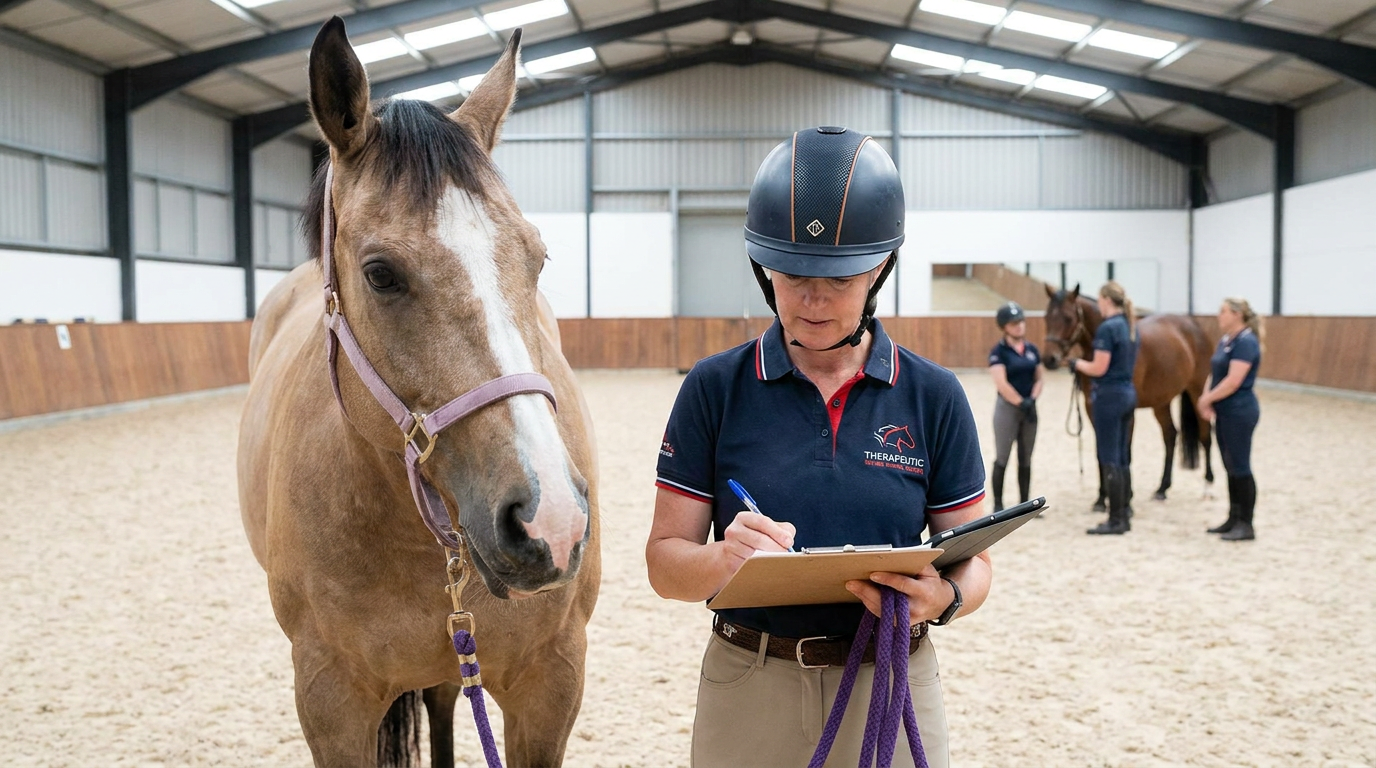
Essential Documentation for Immediate Response to Participant Injuries
When a participant experiences an injury during a therapeutic riding session, the first thirty minutes determine whether your program faces a manageable insurance claim or a devastating lawsuit. The difference often comes down to documentation quality, not the severity of the incident itself.
Proper documentation serves multiple purposes beyond legal protection. It helps programs identify patterns, improve safety protocols, and demonstrate their commitment to participant welfare. For therapeutic riding programs in Ridgecrest, where participants often include individuals with complex medical histories, comprehensive documentation becomes even more critical.
This systematic approach to injury documentation protects both participants and programs while creating a foundation for continuous safety improvement.
Incident Report Forms and Real-Time Documentation Standards
Every therapeutic riding program needs standardized incident report forms that capture essential information within minutes of an injury occurring. These forms should include participant identification, session details, weather conditions, and equipment in use. The key is having someone designated specifically for documentation while others provide care.
Real-time documentation means recording observations as they happen, not reconstructing events hours later. Staff members should note the exact time of injury, the participant’s immediate response, and any statements made by witnesses. Digital timestamps on mobile devices can provide crucial evidence of when documentation occurred.
Programs should train all staff on proper form completion, emphasizing objectivity over interpretation. For example, “Participant fell from horse at 2:47 PM during mounting” provides better documentation than “Participant seemed nervous and lost balance.” The focus should remain on observable facts rather than assumptions about causes.
Medical Emergency Response Documentation
When emergency medical services are contacted, documenting this response becomes critical for both participant care and liability protection. Programs must record the exact time emergency services were called, who made the call, and the information provided to dispatchers.
Staff should document all first aid measures provided, including who administered care and their qualifications. This includes basic interventions like applying ice or stabilizing an injured limb, as well as more complex responses for participants with underlying conditions. The documentation should reflect that staff stayed within their training scope.
Programs offering equine therapy often work with participants who have multiple medical conditions, making accurate medical history documentation essential. Staff should note any medications mentioned by participants or caregivers, as these details become crucial for emergency medical personnel.
Witness Statements and Staff Observations
Collecting witness statements immediately after an incident provides multiple perspectives that insurance companies and legal teams find valuable. These statements should come from staff members, volunteers, and any family members or caregivers present during the session.
Each witness should write their own statement in their own words, focusing on what they directly observed rather than their opinions about what happened. Programs should provide quiet spaces where witnesses can write without influence from others, ensuring independent accounts of the incident.
Staff observations should include details about the horse’s behavior before and after the incident, environmental factors like footing conditions, and the participant’s demeanor throughout the session. These observations often reveal contributing factors that might not be immediately obvious during the initial response.
Photography and Visual Evidence Requirements
Visual documentation provides compelling evidence that written reports cannot match. Programs should photograph the incident scene, including equipment positioning, ground conditions, and any visible injuries (with appropriate permissions). These photos should be taken before the scene is disturbed by cleanup or reorganization.
Equipment involved in incidents requires detailed photographic documentation, showing any damage, wear patterns, or positioning that might have contributed to the injury. This documentation helps programs understand equipment failure patterns and provides evidence of proper maintenance when needed.
Programs must obtain proper consent for photographing injured participants, but they can document the scene and equipment without including people in the images. When photographing injuries is necessary, programs should follow established protocols that respect participant privacy while preserving essential evidence.
Initial Communication with Emergency Services
The initial call to emergency services creates the first official record of an incident, making this communication crucial for documentation purposes. Programs should designate specific staff members to handle these calls, ensuring consistent and accurate information delivery.
Documentation should include the caller’s name, time of call, and a summary of information provided to emergency dispatchers. This helps programs demonstrate professional response and ensures consistency between initial reports and subsequent documentation.
Programs should also document any instructions received from emergency services, including advice about moving injured participants or specific first aid measures recommended by dispatchers. This documentation shows that programs followed professional medical guidance throughout their response.
Pre-Program Documentation That Protects Your Organization
Comprehensive Medical History and Clearance Forms
The foundation of protecting your therapeutic riding program starts with thorough medical documentation before participants ever interact with horses. Medical history forms must capture both physical and psychological conditions that could impact safety during equine sessions. These forms become critical evidence if therapeutic riding injury claims arise later.
Your medical history intake should include detailed questions about seizure disorders, balance issues, medication side effects, and any previous injuries involving animals. But here’s what many programs miss: you need specific information about triggers that might cause sudden movements or reactions around horses. A participant’s history of PTSD episodes or anxiety attacks becomes particularly relevant when working with equine therapy programs.
Medical clearance forms from physicians must be current (typically within 90 days) and specifically address the participant’s ability to engage in therapeutic riding activities. Generic “cleared for physical activity” statements won’t protect your organization. The physician needs to understand what therapeutic riding involves and confirm the participant can safely participate.
Keep detailed records of when medical information was received, reviewed by staff, and any follow-up questions asked. If someone’s medical status changes during their participation, document those updates immediately. This documentation trail becomes invaluable if you need to demonstrate proper screening procedures during injury claim investigations.
Liability Waivers and Release of Claims Documentation
Liability waivers form your first line of legal defense, but they’re only effective if properly executed and maintained. Your waivers must be state-specific (California law has particular requirements for therapeutic programs) and clearly outline the inherent risks of working with horses.
The waiver language should specifically mention unpredictable horse behavior, potential for falls, and the risk of serious injury or death. But generic language isn’t enough. Your waivers need to address the unique aspects of therapeutic riding, including the use of adaptive equipment and the participant’s potential cognitive or physical limitations.
For participants under 18, both parents or legal guardians must sign separate waivers. Single-parent signatures won’t hold up in court if the non-signing parent brings a claim. Document custody arrangements and ensure you have proper authorization from all legal guardians.
Store original signed waivers separately from other participant files. Digital copies are acceptable for daily reference, but courts prefer original signatures for participant injury requirements disputes. Train staff to never allow participation without a properly executed waiver on file.
Informed Consent for Therapeutic Riding Activities
Informed consent goes beyond liability waivers by ensuring participants truly understand what they’re agreeing to participate in. This process requires explaining the therapeutic riding program in detail, including specific activities the participant will engage in and potential risks associated with each.
Document conversations about program expectations, therapeutic goals, and how the participant’s specific condition might affect their participation. When working with clients who have cognitive impairments or mental health conditions, you may need additional consent from caregivers or treatment team members. The measurement of therapeutic should be clearly explained during this process.
Your informed consent documentation should include confirmation that participants understand they can withdraw at any time and that their participation is voluntary. Record any questions asked during the consent process and your responses. This detailed documentation demonstrates that participants made informed decisions about their participation.
Review and update consent forms annually, and obtain fresh consent if your program activities change significantly. What participants agreed to initially might not cover new therapeutic techniques or different horses introduced to your program.
Emergency Contact and Medical Authorization Forms
Emergency authorization forms must be immediately accessible during all therapeutic sessions. These forms should include multiple emergency contacts with current phone numbers and clear instructions about who can make medical decisions for the participant.
Medical authorization forms need to specify which hospital the participant prefers, their insurance information, and any medical conditions emergency responders should know about immediately. Include information about current medications, allergies, and specific medical devices the participant uses.
For participants with complex medical needs, create detailed emergency action plans that outline specific steps to take if certain conditions arise. Someone with seizure disorders needs different emergency protocols than someone with cardiac conditions. These individualized plans demonstrate your organization’s commitment to horse therapy liability prevention.
Verify emergency contact information quarterly and after any major life changes for participants. Outdated emergency contacts can create liability exposure if you can’t reach appropriate decision-makers during a crisis. Staff should practice accessing these forms quickly and understand the authorization chain for different emergency scenarios.
Ongoing Program Documentation and Safety Records
Session Notes and Progress Documentation
Detailed session notes serve as your first line of defense in any injury claim investigation. Every therapeutic riding session requires comprehensive documentation that captures participant behavior, horse responses, and environmental conditions. These records become critical evidence when establishing the timeline and circumstances surrounding any incident.
Your session notes should include participant arrival condition, mood assessments, and any physical limitations observed. Document specific activities performed, duration of mounted work, and the horse’s responsiveness throughout the session. Include weather conditions, arena footing quality, and any unusual circumstances that might affect safety protocols.
Most programs maintain detailed therapeutic riding programs that require structured documentation templates. These standardized forms ensure consistency across all staff members and create reliable patterns that support your safety commitment during legal proceedings.
Equipment Inspection and Maintenance Logs
Equipment failure often becomes a focal point in therapeutic riding injury claims. Maintaining detailed inspection logs for all riding equipment, adaptive devices, and safety gear demonstrates proactive risk management. These records must show regular inspection schedules, identified issues, and corrective actions taken.
Document daily equipment checks before each session, including saddle condition, bridle integrity, and specialized adaptive equipment function. Weekly comprehensive inspections should cover structural components, wear patterns, and replacement schedules. Monthly deep inspections examine equipment beyond surface-level checks.
Your maintenance logs should track repair history, replacement dates, and equipment retirement decisions. This documentation proves equipment met safety standards at the time of any incident. Include vendor certifications for specialized therapeutic equipment and compliance with industry safety standards.
Horse Health and Behavioral Assessment Records
Horse selection and condition directly impact participant safety, making equine health documentation essential for injury claim defense. Veterinary records, behavioral assessments, and daily condition reports create a comprehensive picture of each horse’s suitability for therapeutic work.
Daily horse evaluations should document energy levels, responsiveness to commands, and any behavioral changes. Include pre-session grooming observations, tack-up behavior, and arena performance notes. These details help establish whether the horse performed within expected parameters during any incident.
Veterinary documentation includes regular health examinations, vaccination records, and any medical treatments. Behavioral assessment logs track training progress, stress indicators, and compatibility with different participant needs. This comprehensive approach to equine therapy documentation supports your program’s safety standards.
Staff Training and Certification Documentation
Staff qualifications become scrutinized heavily during injury claim investigations. Maintaining current certification records, training documentation, and competency assessments protects your program from liability claims related to inadequate supervision or instruction.
Document initial certification requirements, continuing education completion, and specialized training for adaptive equipment use. Include emergency response training records, CPR certification renewals, and horse handling competency assessments. Regular performance evaluations should address safety protocol adherence and participant management skills.
Training records must show staff understanding of individual participant needs and appropriate modification techniques. Include documentation of safety briefings, protocol updates, and incident response procedures. This comprehensive staff documentation demonstrates professional standards that support quality care delivery.
Facility Safety Inspection Reports
Arena conditions and facility safety directly influence injury risk in therapeutic riding programs. Regular inspection reports document your commitment to maintaining safe environments and identify potential hazards before incidents occur.
Daily facility checks should cover arena footing conditions, fence integrity, and gate functionality. Document weather-related modifications, drainage issues, and surface maintenance performed. Include lighting assessments, pathway safety, and mounting block stability checks.
Monthly comprehensive inspections examine structural elements, emergency equipment accessibility, and compliance with safety regulations. Annual professional inspections provide third-party validation of facility safety standards. These inspection records demonstrate proactive facility management that prioritizes participant safety.
Maintaining detailed documentation requires significant administrative effort, but these records become invaluable during injury claim proceedings. Consistent, thorough record-keeping demonstrates professional standards and supports your program’s commitment throughout the therapeutic process. Proper documentation transforms potential liability into evidence of responsible program management and comprehensive safety protocols.
Post-Incident Documentation and Claims Management
Follow-Up Medical Documentation Requirements
The initial incident report is just the beginning of your documentation journey. Within 24 hours of any injury during therapeutic riding sessions, you’ll need comprehensive medical follow-up documentation that goes far beyond basic first aid records.
Start by obtaining detailed medical reports from the treating physician or emergency facility. These documents should specify the exact nature of injuries, treatment provided, and any recommendations for ongoing care. Many facilities in the Ridgecrest area provide digital copies within 48 hours, but always request both electronic and hard copies for your files.
Document any ongoing medical appointments or therapy sessions resulting from the incident. This includes physical therapy, specialist consultations, or follow-up visits. Each appointment creates a paper trail that insurance companies will scrutinize, so maintain detailed records of dates, providers, and outcomes. Something that seems minor initially might develop into a more serious condition requiring extended treatment.
Keep detailed records of all medical expenses, including co-pays, prescription medications, and any adaptive equipment prescribed. Insurance adjusters often challenge these costs, particularly for alternative treatments or specialized equipment that participants might need after returning to equine sessions.
Insurance Notification and Claim Filing Procedures
Time is critical when notifying insurance carriers about participant injuries. Most liability policies require notification within 10 days of the incident, though some policies reduce this to 72 hours for bodily injury claims. Missing these deadlines can void your coverage entirely.
Submit your initial claim with all available documentation, including incident reports, witness statements, medical records, and photographs. Insurance companies process claims more efficiently when they receive complete documentation packages rather than piecemeal submissions over weeks or months.
Prepare for multiple rounds of information requests from insurance adjusters. They typically ask for participant medical histories, program documentation, and detailed explanations of safety protocols. Having organized files means you can respond quickly without scrambling to locate documents months after the incident.
Many equine therapy programs work with specialized insurance brokers who understand the unique risks of working with horses and vulnerable populations. These professionals can guide you through claim procedures and advocate on your behalf during complex negotiations.
Document every interaction with insurance representatives, including phone calls, emails, and claim adjustments. This communication log becomes essential if disputes arise later about coverage decisions or settlement amounts.
Legal Consultation and Document Preservation
Serious injuries often require legal consultation, even when programs maintain excellent safety records. Attorneys specializing in equine law understand the unique challenges therapeutic riding programs face and can provide valuable guidance on documentation requirements and liability exposure.
Preserve all original documents in a secure, fireproof location. This includes incident reports, medical records, insurance correspondence, and any internal communications about the incident. Digital backups should be stored separately from originals, preferably off-site or in cloud storage with appropriate security measures.
Never alter or destroy any documentation once legal proceedings begin or seem likely. This includes internal emails, text messages between staff members, and even handwritten notes from the day of the incident. Courts view document destruction as evidence tampering, which can severely damage your legal position.
Establish a document retention policy that extends beyond your insurance requirements. While your liability policy might require three years of records, some states allow injury claims up to six years after the incident, particularly for minors who participate in therapeutic programs.
Communication Protocols with Participants and Families
Maintain professional, compassionate communication with injured participants and their families while protecting your program’s interests. Express genuine concern for their wellbeing without admitting fault or speculating about causes. Simple statements like “We’re concerned about your recovery” work better than detailed explanations of what might have happened.
Document all communications with families in writing, even phone conversations. Follow up verbal discussions with email summaries that confirm what was discussed and any commitments made. This creates a clear record if misunderstandings arise later about program responses or offered support.
Coordinate communication through designated staff members rather than allowing multiple people to speak with affected families. This prevents conflicting messages and ensures consistent information sharing. Many programs designate their program director or insurance liaison as the primary point of contact for injury-related communications.
Be transparent about your insurance coverage and claim processes without providing specific policy details that could compromise your position. Families deserve to understand how their medical expenses will be handled and what support the program can provide during recovery periods.
Building a Comprehensive Documentation System
Digital vs. Physical Record Keeping Best Practices
Modern therapeutic riding programs need both digital and physical documentation systems working together. Digital records offer instant access and backup capabilities, while physical documentation provides legally admissible originals that courts readily accept.
Cloud-based systems like secure healthcare databases allow multiple staff members to update participant records simultaneously. These platforms automatically timestamp entries and track who made each change, creating an audit trail that strengthens your legal position. However, internet connectivity issues in rural areas around Ridgecrest can disrupt digital access when you need it most.
Physical records serve as your backup foundation. Hard copies of signed waivers, medical clearances, and incident reports should be stored in fireproof filing cabinets with restricted access. Many insurance companies still prefer physical documentation during claim reviews, particularly for therapeutic riding injury claims involving serious incidents.
The hybrid approach works best: scan all physical documents into your digital system within 24 hours, but maintain original hard copies for at least seven years. This redundancy protects against data loss while ensuring you can meet any documentation request format that legal proceedings might require.
Staff Training for Proper Documentation Procedures
Your documentation system only works if every team member knows how to use it correctly. Staff training must cover legal requirements, not just administrative procedures.
Train all instructors and volunteers on participant injury requirements before their first session. They need to understand that incomplete documentation can void insurance coverage and expose your program to liability. Role-play scenarios help staff practice documenting various incident types, from minor falls to medical emergencies.
Create documentation checklists for different situations: routine sessions, incident reports, and medical concerns. Laminated reference cards help staff remember critical information fields during stressful situations. When someone gets injured, emotions run high and details get forgotten.
Monthly refresher training keeps documentation skills sharp. Review real examples from your own records (with identifying information removed) to show what works and what creates problems. Staff members learn faster when they see actual documentation that helped resolve claims successfully versus incomplete records that caused complications.
Establish clear protocols for who documents what. Lead instructors handle participant behavior notes, while volunteers focus on horse observations and environmental conditions. This division prevents gaps while avoiding duplicate or conflicting entries.
Document Retention Policies and Legal Compliance
California law requires specific retention periods for different document types in therapeutic programs. Participant agreements and medical clearances must be kept for seven years after the individual’s final session. Incident reports require longer retention, particularly for horse therapy liability cases that might surface years later.
Insurance companies typically demand three to five years of historical records during claim investigations. Some carriers require participant injury requirements documentation dating back to the program’s inception. Check your specific policy terms because requirements vary significantly between providers.
Digital storage makes long-term retention more manageable, but you need proper backup systems. Store copies in multiple locations: on-site servers, cloud storage, and physical backup drives kept off-property. Natural disasters, fires, or equipment failures can destroy years of documentation overnight.
Develop clear procedures for record disposal when retention periods expire. Simply deleting files isn’t sufficient for sensitive medical information. Use certified document destruction services that provide certificates of completion for your compliance files.
HIPAA compliance adds another layer for programs serving participants with documented disabilities. Medical information requires enhanced security measures and specific access controls that go beyond standard business documentation.
Regular Audit and Review Processes
Monthly documentation audits catch problems before they become legal liabilities. Review a random sample of participant files to verify completeness and accuracy. Missing signatures, unclear incident descriptions, or outdated medical clearances create vulnerabilities that grow over time.
Schedule quarterly reviews with your insurance agent to ensure your documentation meets current policy requirements. Coverage terms change annually, and what satisfied last year’s requirements might leave gaps in this year’s protection.
Annual legal reviews help identify documentation weaknesses that internal staff might miss. Attorneys specializing in recreational liability can spot potential problems in your record-keeping systems before claims arise. This proactive approach costs less than reactive legal defense.
Track documentation completion rates across different staff members and session types. Patterns emerge that reveal training needs or system improvements. Some instructors consistently miss certain fields, while outdoor sessions might have lower completion rates due to environmental challenges.
Create feedback loops where staff report documentation system problems they encounter. Front-line users often identify practical improvements that management overlooks. Simple changes like repositioning clipboards or adding pen holders can dramatically improve completion rates during busy sessions.
Working with Insurance Providers and Legal Representatives
Understanding Your Insurance Coverage Requirements
Your liability insurance policy contains specific documentation requirements that directly impact claim outcomes. Most therapeutic riding programs carry general liability, professional liability, and participant accident coverage, but each policy type demands different evidence standards. Professional liability coverage typically requires proof of adherence to industry standards and proper participant screening protocols.
Insurance providers expect documentation that demonstrates reasonable care and risk management practices. This means maintaining detailed participant medical histories, signed liability waivers, and comprehensive incident reports. Your coverage might also require specific instructor certifications and ongoing training records. Review your policy annually with your broker to understand exactly what documentation supports your coverage and what gaps might exist in your current record-keeping system.
Many policies include “claims made” provisions, meaning documentation must exist at the time of the incident, not when you file the claim. Creating retroactive records after an injury occurs can void your coverage entirely. Insurance companies often audit therapeutic riding programs, and they look for consistent documentation practices that prove your commitment to participant safety throughout your operations.
Collaborating with Legal Counsel on Documentation Standards
Establishing a relationship with an attorney experienced in recreational therapy liability creates a framework for defensible documentation practices. Legal counsel can review your current incident report forms and suggest modifications that strengthen your position while maintaining therapeutic focus. They often recommend specific language for participant agreements and can identify documentation gaps that create unnecessary legal exposure.
Your attorney should review all participant-facing documents, including intake forms, liability waivers, and progress notes. Legal representatives understand how documentation translates in court proceedings and can guide you toward creating records that support both therapeutic goals and legal protection. This collaboration becomes especially valuable when dealing with incidents involving minors, where parental consent and documentation requirements become more complex.
Regular consultation with legal counsel helps you stay current with changing liability standards and documentation requirements. Laws surrounding therapeutic recreation evolve, and your documentation practices must adapt accordingly. Legal representatives can also help you understand when to involve them directly in serious incident responses versus handling matters through your insurance provider.
Common Documentation Mistakes That Compromise Claims
Incomplete incident reports represent the most frequent documentation error in therapeutic riding programs. Many instructors focus on immediate medical response but fail to document environmental conditions, witness statements, or the participant’s behavior leading up to the incident. Missing these details can make it impossible to establish whether standard safety protocols were followed.
Another critical mistake involves using subjective language instead of objective observations. Writing “the participant was acting out” provides no useful information, while “participant removed safety helmet twice during mounting procedure despite verbal redirections” gives concrete evidence of safety protocol implementation. Emotional language or speculation about causes can actually work against your program during claims investigation.
Delayed documentation creates significant problems for claims processing. Insurance investigators know that memories fade and details change over time. Recording incident details days or weeks later raises questions about accuracy and completeness. Some programs make the mistake of having multiple staff members create separate reports without coordinating information, leading to inconsistencies that complicate the claims process.
Creating Defensible Records for Potential Litigation
Defensible documentation requires consistency across all program activities, not just incident response. Your regular session notes, participant progress records, and staff training documentation all contribute to establishing your program’s commitment to safety and professional standards. Courts and insurance companies evaluate the overall quality of your record-keeping practices, not just incident-specific documents.
Maintain detailed records of all safety equipment inspections, horse health evaluations, and facility maintenance activities. These records demonstrate proactive risk management that supports your position in any liability claim. Documentation should show regular review and updating of safety protocols, staff training programs, and participant screening procedures.
Create backup systems for all critical documentation and establish clear protocols for document retention. Legal proceedings can begin months or years after an incident occurs, and missing documentation can severely compromise your defense. Consider both physical and digital storage options, ensuring that authorized staff can access necessary records quickly when claims arise.
Strong documentation practices protect both your participants and your program’s future. By working closely with insurance providers and legal counsel to establish comprehensive record-keeping systems, therapeutic riding programs can focus on their primary mission of providing healing through equine therapy while maintaining the professional standards that support long-term sustainability. Your commitment to thorough documentation demonstrates the professionalism that sets quality therapeutic riding programs apart in our Ridgecrest community.
Related Posts
- From Stall to Support: The Future of THOR and Its Role in Ridgecrest’s Evolving Care Landscape
- Indoor vs Outdoor Equine Sessions Adapting PTSD Therapy Programs for Every Season
- Creating Your PTSD Treatment Team How to Partner with Equine Therapy Specialists
