
Adapting Lighting and Weather Protocols for Optimal July Therapeutic Sessions
Understanding July’s Unique Environmental Challenges for Equine Therapy
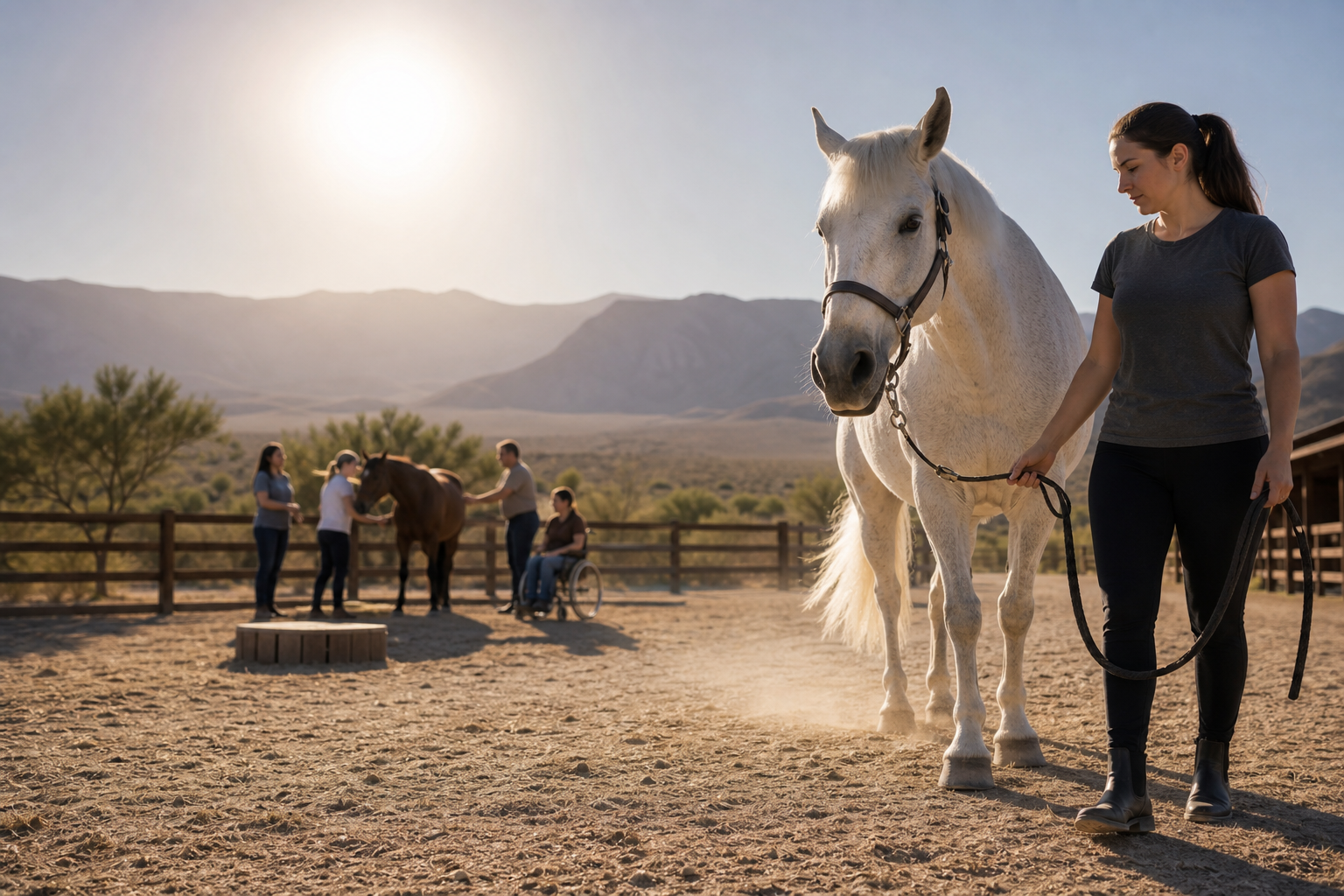
July in Ridgecrest brings a particular set of environmental factors that demand careful consideration for anyone involved in equine therapy. While the natural connection with horses offers profound benefits, the summer months introduce variables around heat, humidity, and daylight that can significantly impact both horses and participants. It’s not just about managing the elements; it’s about optimizing the therapeutic environment so that every session remains productive, safe, and truly beneficial. How do we ensure our programs continue to thrive when the sun is at its most intense, and the days are at their longest? Effective adaptation, of course, is key to our success here at THOR, ensuring the integrity of our therapeutic riding tips. Programs like ours are designed to be adaptable and resilient, as outlined in our discussions about adapting ptsd therapy.
Analyzing Peak Summer Heat and Humidity on Equine and Human Participants
When the July sun beats down on Ridgecrest, peak summer heat and humidity aren’t just uncomfortable; they pose significant challenges for Horse Therapy sessions. Horses, like humans, are susceptible to heat stress, and their natural responses to it can affect the session’s quality and, more importantly, safety. We’re thinking about things like increased respiration rates, elevated body temperatures, and even changes in temperament. A horse that is overheated might be less cooperative, more irritable, or simply less engaged in the subtle cues that are so vital for effective communication during a therapy session. For participants, especially those with certain medical conditions or sensitivities, the heat can exacerbate physical discomfort or even impact their emotional regulation, which is often a key focus of therapy. Simple things, like early morning sessions or late afternoon slots, become crucial scheduling considerations, as does ensuring ample shade and hydration for everyone involved. We often find that our therapeutic riding participants benefit from these adjustments. This careful management is part of the broader strategy for thor’s evolving care, always prioritizing well-being.
Monitoring the horses daily becomes even more critical in these hotter months. We’re looking for subtle signs of discomfort, assessing their energy levels before each session, and making adjustments as needed. This might mean shorter sessions, more frequent breaks, or even opting for groundwork instead of riding on particularly hot days. For clients, it’s about clear communication regarding appropriate attire, encouraging hydration, and always having an escape plan if someone feels overwhelmed by the heat. It’s also important to acknowledge that some participants might have a harder time regulating their body temperature due to medications or underlying conditions. This understanding allows us to create a more supportive and tailored experience. The goal is always to create a beneficial and comfortable environment, even when nature throws its warmest challenges our way. We are constantly evaluating and adjusting our programs, people, to meet these environmental demands effectively.
Assessing the Impact of Longer Daylight Hours on Session Scheduling
The extended daylight hours of July, while seemingly a blessing, introduce their own set of scheduling intricacies for equine therapy. On the one hand, more light means more potential hours for sessions, which could be great for accommodating more clients. But, it’s a double-edged sword. As the sun rises earlier and sets later, the window of cooler, more comfortable temperatures for both horses and participants shrinks significantly. This often means trying to fit sessions into the very early morning or late evening, which can present logistical challenges for staff, volunteers, and clients alike. For instance, an 8 AM session might seem early, but if it keeps everyone out of the peak afternoon heat, it’s a necessary adaptation. Similarly, later evening sessions, potentially running until 7 PM or 8 PM, might be cooler but could conflict with family time or other commitments for participants. These considerations are especially pertinent for our programs catering to veterans & ptsd, where consistent scheduling often forms part of the therapeutic routine.
The benefit of natural light in the arena can be profound, fostering a sense of openness and reducing the need for artificial lighting. However, direct, intense sunlight can also create glare, which might be distracting or uncomfortable for some participants, or even for the horses. We’ve found that strategic use of shaded areas, or even planning sessions for days with some cloud cover (if safety allows), can make a significant difference. It’s a delicate balance: maximizing the therapeutic value of daylight without overexposing anyone to the intensity of the summer sun. This also impacts horse selection, as some horses might adapt better to variations in their work schedule or temperature fluctuations. Ultimately, understanding these nuances allows us to fine-tune our schedule, ensuring that every horse therapy session is set up for success and comfort, rather than adding to potential stress, mirroring the holistic approach discussed in healing through hoofbeats.
Identifying Common Summer Weather Phenomena and Their Variability (e.g., thunderstorms, sudden showers)
Beyond predictable heat and humidity, July in Ridgecrest can bring sudden, unpredictable shifts in weather that demand careful protocols in Horse Therapy. We’re not just talking about a little sprinkle; we’re often dealing with the potential for thunderstorms or unexpected, heavy showers. These rapid changes necessitate robust safety plans and clear communication channels. A sudden downpour can quickly turn an outdoor arena into a muddy, unsafe environment, and lightning is, of course, a non-negotiable safety concern. Having a designated indoor space or alternative activities (like stable management or ground lessons) readily available is crucial for continuity and safety. It reinforces the importance of adapting ptsd therapy and environmental condition. How quickly can we transition if the skies open up?
Weather variability also impacts the horses. Some horses are more sensitive to atmospheric pressure changes or loud thunder, which can affect their demeanor and responsiveness during a session. Our staff and volunteers are trained to read these subtle cues in our equine partners, ensuring their comfort and minimizing any potential stress. We also proactively check local weather forecasts multiple times a day, always having a backup plan in mind. This might involve shortening a session, moving to an indoor facility if available, or rescheduling entirely. The goal is always to prevent situations where safety is compromised or where a participant’s therapeutic progress is hindered by environmental factors outside our control. It’s about being prepared for anything and everything, from the unexpected gust of wind to a full-blown summer thunderstorm, ensuring that the therapeutic environment remains secure and consistent, aligning with the principles outlined in creating your ptsd.
Optimizing Session Lighting for Enhanced Therapeutic Outcomes
Leveraging Natural Light: Strategic Planning for Outdoor Arenas and Spaces
When we’re talking about equine therapy in Ridgecrest, especially in July, natural light is a huge asset – but also a challenge. Early mornings and late afternoons are golden hours; the soft, diffused light creates a calming atmosphere that really benefits both participants and horses. It helps create a visual rhythm for the session, easing everyone into the experience without harsh transitions. We often schedule sessions during these times to take full advantage of the ambient light, particularly for activities that involve walking exercises or simple groundwork that doesn’t demand intense focus on fine details.
Strategic planning around the sun’s path is critical here. Knowing where shadows will fall and how light intensity shifts throughout the day allows us to orient activities accordingly. For instance, sometimes simply shifting where a client stands relative to the horse can prevent direct glare, making the session more comfortable and focused. This thoughtful use of natural light is part of the science behind, contributing to the overall therapeutic environment. It’s about working with nature, not against it, to create the best possible experience for our clients.
Implementing Supplemental Lighting Solutions for Early Morning or Late Afternoon Sessions
While natural light is ideal, July’s heat in Ridgecrest often pushes sessions to earlier or later times, necessitating supplemental lighting. This isn’t about floodlighting an arena like a stadium, but rather about thoughtful, strategic illumination. For early morning sessions, subtle, indirect lighting can gently ease participants and horses into the day. Think about soft LED strips along arena fences or low-level, diffused lights that mimic the rising sun, rather than sudden, bright blasts.
For late afternoon or early evening sessions, when the natural light begins to wane, supplemental lighting ensures safety and visibility. We use lights that provide sufficient illumination for tasks like grooming or mounting without being overly stimulating. The goal is to create a consistent, clear environment. This means choosing fixtures that cast an even glow rather than spotlights with sharp contrasts, which can be disorienting for some participants and horses. It’s a delicate balance, making sure there’s enough light for safe navigation and communication, but not so much that it disrupts the natural, calming energy of the equine therapy process.
Considering Light Sensitivity and Sensory Processing for Both Clients and Horses
Light sensitivity is a real factor, both for our clients and the horses involved in therapy. Many participants, especially those with conditions like PTSD or sensory processing disorders, might find bright or flickering lights incredibly unsettling. It’s not just about comfort; it can actually trigger anxiety or withdrawal, undermining the therapeutic goals of the session.
We’ve seen how sudden shifts in light or intense glare can make a horse more skittish or less responsive, too. Their natural instincts make them highly attuned to environmental changes (it’s a survival mechanism, right?), so consistency is key. That’s why considering light’s impact is so crucial in equine therapy.
So, what does this mean in practice? It means being incredibly mindful of where we position participants and horses during sessions. We might adjust the direction a rider faces, or choose a different part of the arena where the light is softer and more consistent.
We also pay close attention to the horse’s body language; pinning ears, restless movements, or excessive head-shaking can all indicate discomfort from light. This careful observation helps us adapt in real-time, ensuring that the light environment supports relaxation and engagement, creating a safe space for everyone involved. It’s part of creating that vital connection and communication between horse and client.
Utilizing Shade Structures and Glare Reduction Techniques
July in Ridgecrest means powerful sun, and managing glare is non-negotiable for effective and comfortable equine therapy sessions. Shade structures are absolutely essential, not just for heat relief but also for minimizing direct sunlight and its harsh glare. This could be anything from large, permanent arena coverings to strategically placed temporary canopies or tarps. The goal is to create areas of consistent shade where activities can comfortably take place, even during brighter parts of the day.
Beyond massive structures, smaller glare reduction techniques make a big difference. Think about using anti-glare screens on helmets or even advising participants to wear hats or sunglasses when appropriate. For horses, fly masks with UV protection can serve a dual purpose, reducing glare and protecting their eyes from insects.
And sometimes, it’s as simple as choosing which direction the horse faces during grooming or groundwork, ensuring the sun isn’t directly in their eyes. These small, thoughtful adjustments – whether it’s a permanent structure or a quick repositioning – contribute significantly to creating an environment where comfort and focus can thrive, leading to better therapeutic outcomes. It really helps create a positive safety net for all involved.
Developing Robust Weather Management Strategies for Uninterrupted Therapy
Establishing Clear Protocols for Heat Advisory Days and High UV Indices
July in Ridgecrest, CA, often brings intense heat and high UV indices, making robust weather protocols not just advisable, but absolutely non-negotiable for equine therapy sessions. We have learned that proactive measures are far better than reactive scrambles. Our team has developed a multi-tiered system designed to assess and respond to environmental conditions.
This starts with daily monitoring of the National Weather Service (NWS) advisories specifically for our service areas. We look beyond just temperature readings; humidity, heat index, and UV forecasts are all critical pieces of the puzzle for every session and every participant.
When a heat advisory is issued, or UV indices are predicted to be consistently high (level 8+), our protocols automatically trigger adjustments. This might mean rescheduling outdoor sessions for earlier mornings or later evenings when temperatures are naturally lower, or, in some cases, pivoting to indoor alternatives. For indoor equine sessions, we ensure adequate ventilation and cooling systems are fully operational. Furthermore, we mandate specific attire guidance for all participants and staff, emphasizing lightweight, light-colored clothing, wide-brimmed hats, and the liberal application of broad-spectrum sunscreen. These aren’t just suggestions; they’re integral to maintaining everyone’s safety and comfort during therapeutic riding tips.
Creating and Communicating Evacuation and Shelter-in-Place Plans for Inclement Weather
While Ridgecrest summers are generally dry, the possibility of unexpected severe weather, including sudden thunderstorms or high winds, necessitates clear and actionable emergency plans. We understand that for our clients, especially those with PTSD, sudden changes or perceived chaos can be incredibly disruptive to the therapeutic process. Therefore, our evacuation and shelter-in-place plans are not only meticulously detailed but also communicated with careful consideration and predictability. This careful creation of consistent arena spaces is vital.
Every staff member is thoroughly trained on these procedures, including designated safe zones and the swift, calm movement of horses and participants. We also conduct regular drills (without clients present, of course) to ensure seamless execution. Communication with clients is paramount. Before starting a session, we briefly review our safety protocols, explaining what to expect in different scenarios in a calm, reassuring manner. This helps to create a sense of control and reduces anxiety, empowering participants with knowledge rather than leaving them vulnerable to surprise. Our focus is always on creating an environment where a client feels secure, knowing that safety is our top priority, regardless of what the weather might bring. This helps build trust and connection, which are main components of our horse therapy programs.
Adapting Session Activities and Locations Based on Real-Time Forecasts
Flexibility is key in July Horse Therapy in Ridgecrest. Our outdoor arena is fantastic, but we also have contingency plans for when conditions are less than ideal. We utilize real-time weather apps and local alerts right up until session start times.
If temperatures are climbing rapidly, or if there’s an unexpected increase in wind, we have a structured decision-making process to adapt. This might involve shortening the duration of riding activities and increasing ground-based work, or shifting the entire session indoors to our covered arena or dedicated therapy room.
For instance, on days with a moderate heat index, we might focus more on grooming, leading, or simple connection exercises in the shade, rather than extended riding. These activities still provide significant emotional and physical benefits without overexposing the client or the horse. The beauty of equine therapy is its versatility; the therapeutic interaction isn’t solely dependent on being mounted. Sometimes, sitting quietly with a horse and practicing breathing techniques in a cooler setting can be even more impactful. We prioritize the well-being of both our human and equine participants, making sure the session remains productive and safe, no matter the weather. This adaptability allows us to consistently offer supportive care, including for those working through ptsd treatment, ensuring continuity even amidst environmental shifts.
Ensuring Adequate Hydration and Cool-Down Measures for All Participants
Maintaining proper hydration and managing body temperature are critical on hot July days for everyone involved – participants, staff, and especially the horses. Our protocol is straightforward but rigorously enforced. We ensure that fresh, cool water is readily available at multiple stations around the facility before, during, and after every session.
We also actively encourage frequent water breaks for all clients and staff, making it a routine part of the session flow rather than an afterthought. Providing insulated water bottles for clients can also be a helpful addition.
Beyond water, we employ several cool-down measures. Shaded areas are meticulously maintained and easily accessible. We utilize misters in certain areas to provide evaporative cooling, and sometimes offer cool, damp towels to help clients regulate their temperature.
For the horses, we closely monitor their comfort levels and have specialized cooling equipment, like fans and sponges for wetting down their coats, ready for use. These measures aren’t just about preventing heat-related illnesses; they contribute to a more positive and comfortable therapeutic experience overall. Feeling physically uncomfortable can detract from the emotional and psychological benefits of the session, so we do everything we can to mitigate those factors, ensuring that the focus remains on the therapeutic connection and progress.
Maintaining Equine Well-being During Summer Sessions
Monitoring Horses for Signs of Heat Stress and Fatigue
Maintaining the well-being of our horses is paramount, especially during the peak summer months in Ridgecrest. Horses, much like humans, can suffer from heat stress and fatigue, which complicates their ability to participate effectively in equine therapy sessions. Recognizing these signs early is crucial for their safety and the integrity of the therapeutic process.
We often look for several key indicators. Subtle changes in behavior might include a horse that’s usually energetic becoming lethargic or showing reduced responsiveness. Watch for increased respiratory rates; while some panting is normal in heat, excessive or prolonged heavy breathing, even at rest, is a red flag.
Excessive sweating, followed by a sudden cessation of sweating (which can indicate dehydration or anhidrosis), is another concerning sign. Muscle tremors, stumbling, or an elevated heart rate that doesn’t return to normal quickly after light activity are also serious indicators.
It’s vital for all staff involved in therapeutic riding tips sessions to be trained in recognizing these signs. Regularly checking a horse’s capillary refill time (press on their gums, the color should return within 1-2 seconds) and monitoring their gum color for dark red or pale shades provides quick insights into their hydration status. We also keep a close eye on their overall demeanor; a happy, comfortable horse will generally appear relaxed and engaged, even if it’s warm. Any deviation from this baseline necessitates immediate action, often meaning cutting the session short and providing immediate cooling measures.
Adjusting Workload and Intensity to Account for Environmental Factors
July’s heat often means we have to rethink our usual session plans. We can’t expect the same level of physical exertion from our horses (or clients, for that matter) when temperatures are soaring. Our approach to therapeutic riding tips during these months is all about smart adaptation, focusing on safety without compromising the effectiveness of the therapy.
This often means shortening the duration of each session. Instead of a typical 45-minute riding period, we might reduce it to 20-30 minutes, especially for more strenuous activities. We also lower the intensity of the work.
This could mean more walking and fewer trots or canters, and certainly avoiding any high-energy exercises during the hottest parts of the day. For groundwork sessions, we might focus on quieter, less physically demanding activities like grooming or simple leading exercises in shaded areas.
The type of equine sessions we offer might shift too. An arena that provides natural shade in the mornings might become unusable by midday, necessitating a change in where we conduct sessions. Flexibility is key; rather than adhering strictly to a pre-set curriculum, we evaluate the environment each day and adjust the activities to match what both the horse and participant can comfortably and safely manage. This careful consideration ensures that while the physical demands are reduced, the emotional and cognitive benefits of the interaction remain strong.
Implementing Fly and Pest Management for Horse and Rider Comfort
Flies and other biting insects aren’t just annoying; they can significantly disrupt a therapeutic session and cause considerable distress for both the horse and the client. In Ridgecrest, summer brings its share of pesky insects, so a proactive approach to pest management is essential for creating a calm and focused environment for equine therapy.
Our strategy involves multiple layers of defense. First, environmental control is paramount. We maintain clean stalls and turnout areas, regularly removing manure to reduce breeding grounds for flies.
Proper drainage around troughs and barns helps minimize standing water, which attracts mosquitoes. Barrier methods are also employed; fly masks and fly sheets for the horses are standard during turnout, providing a physical shield against bites.
During sessions, we use veterinarian-approved fly sprays on the horses, applying them carefully to ensure even coverage without irritating sensitive areas. For clients, especially participants who might be distracted or overstimulated by insects, we offer personal insect repellent and ensure that waiting areas are as pest-free as possible. Sometimes, even simple techniques like setting up large fans in covered arenas can help deter flying insects by creating air movement. These small, thoughtful measures make a big difference in preventing distractions and ensuring that the focus remains on the therapeutic connection between the horse and the rider.
Providing Access to Water, Shade, and Cooling Resources Throughout the Day
Ensuring our horses have constant access to essential cooling resources is non-negotiable during July’s heat, especially here in Ridgecrest. This isn’t just about comfort; it’s about fundamental welfare and enabling them to perform their vital role in our horse therapy programs without undue stress. A well-hydrated, cool horse is a happy and effective therapy horse.
Water, of course, is at the top of the list. Fresh, clean water is available to all horses 24/7, not just during sessions. We meticulously check and clean water troughs multiple times a day to ensure they’re always full and free of debris.
During particularly hot periods, we might add electrolytes to their feed or provide salt blocks to encourage hydration. Shade is equally critical. Our turnout paddocks and arenas are equipped with ample natural or artificial shade structures, allowing horses to escape direct sunlight whenever they choose.
This is particularly important during the hottest parts of the day when the sun’s intensity is at its peak.
Beyond constant access, we also employ active cooling measures. After sessions or strenuous activity, horses are often hosed down with cool water, paying special attention to large muscle groups and arteries. This cools them down quickly and efficiently.
We also utilize fans in barn aisles to improve air circulation. For horses that might be more susceptible to heat, cold compresses or ice boots might be used. These comprehensive cooling protocols allow our horses to remain comfortable and ready to engage in their therapeutic work, ensuring that our programs can continue to provide invaluable support to our clients.
Client Care and Comfort in Warm Weather Conditions
Educating Clients on Appropriate Attire and Sun Protection
When the Ridgecrest sun is at its peak in July, preparing our participants for optimal safety and comfort is absolutely critical. We’ve found that a proactive approach to educating clients on appropriate attire and sun protection makes a significant difference. Before their horse therapy sessions, a clear communication outlining recommended clothing is paramount. This means suggesting light-colored, loose-fitting long-sleeved shirts and pants to protect against UV rays, even if it feels counterintuitive in the heat. It’s about creating a barrier without trapping heat, which actually helps with thermoregulation.
Beyond clothing, we emphasize the importance of wide-brimmed hats that protect the face, neck, and ears, along with sunglasses that offer 100% UV protection. Sunscreen, with an SPF of 30 or higher, should be applied generously to all exposed skin before arriving for their equine session and reapplied as needed, especially if sweating. We provide simple, clear printouts and verbal reminders both during scheduling and upon arrival. This consistent messaging helps ensure everyone understands the protocols, transforming potential sun exposure risks into manageable elements of a safe and therapeutic experience. After all, ensuring client well-being goes beyond just the horse itself; it encompasses the entire environment.
Offering Hydration Stations and Cooling Aids for Human Participants
Maintaining client hydration and comfort during July Horse Therapy sessions is a non-negotiable. The dry heat in Ridgecrest can be deceptive, so we implement several strategies to combat dehydration and overheating. Strategically placed hydration stations, easily accessible to all participants and staff, are a must.
These aren’t just water coolers; they’re well-stocked with plenty of fresh, cool water and often include electrolyte-enhanced options. We make sure there are always enough reusable cups, or we encourage clients to bring their own bottles, which we can refill.
In addition to hydration, we offer various cooling aids to help participants manage the heat. This might include misting fans in shaded waiting areas, cool, damp towels for clients to place on their necks or wrists, and even small, portable battery-operated fans for those who might benefit most. For longer sessions or particularly sensitive clients, we ensure shaded rest areas with comfortable seating are readily available. These small things make a big difference in creating a therapeutic environment where clients can focus on their emotional and physical process with the horse, rather than feeling overwhelmed by the heat. It’s part of our commitment to physical comfort facilitating deeper engagement with the therapy programs.
Communicating Session Adjustments and Cancellations Proactively
One of the most critical aspects of client care during warm July weather is transparent and proactive communication regarding session adjustments or cancellations. Unexpected heat spikes or sudden changes in air quality (which can sometimes accompany dry summer conditions) are realities we must contend with. We’ve established clear protocols for monitoring local weather forecasts and air quality reports specific to Ridgecrest. Should conditions warrant a change, our aim is to inform clients as far in advance as possible.
This means having a robust communication system in place, often utilizing text messages, email, and direct phone calls, depending on client preference and urgency. We explain not just that a session is changing, but why, emphasizing client and horse safety as the primary factor. Perhaps a morning session needs to be shifted to a cooler evening slot, or an outdoor session moved to a sheltered indoor arena if available. In cases of cancellation, we immediately work to reschedule, providing alternatives promptly. Such proactive communication builds trust and reduces anxiety, creating a sense of security even when plans need to shift. It respects the client’s time and their commitment to their equine therapy journey, proving that their well-being is always our top priority.
Ensuring Accessibility and Comfort for Clients with Heat-Related Sensitivities
Every participant comes to Horse Therapy with their own unique set of circumstances, and that includes varying sensitivities to heat. For clients who might be more susceptible to heat-related stress – perhaps due to medication, pre-existing health conditions, or age – we take extra precautions to ensure their accessibility and comfort. This begins during the intake process, where we discreetly inquire about any such sensitivities, allowing us to plan accordingly.
During July, this might involve tailoring session times to the coolest parts of the day specifically for these individuals, or even increasing the frequency of short breaks during their therapeutic riding. We might prioritize shaded routes during riding exercises or ensure they have immediate access to our air-conditioned indoor facility for cool-down periods if needed. Having extra staff on hand to monitor these participants more closely is also a consideration. It’s about personalizing the experience, adapting our environment and practices to meet individual needs without compromising the integrity or benefits of the therapy. By doing so, we create an inclusive and supportive atmosphere where every client feels safe, respected, and able to fully engage in the healing power of the horse, laying the groundwork for a truly transformative experience.
Ensuring client care and comfort during July Horse Therapy sessions is a multifaceted endeavor, requiring careful planning, proactive communication, and compassionate adaptation. By prioritizing appropriate attire, readily available hydration, transparent adjustments, and individualized considerations for heat-sensitive clients, we create an environment where the profound benefits of working with horses can flourish, even amidst Ridgecrest’s summer heat. These thoughtful protocols don’t just mitigate risks; they enhance the entire therapeutic process, allowing participants to forge deeper connections and make meaningful progress without the distraction of environmental discomfort.
We truly believe that by focusing on these seemingly small things, we build a foundation of trust and safety that amplifies the powerful impact of equine therapy. If you or someone you know could benefit from a supportive, carefully managed therapeutic environment, we invite you to learn more about our programs and how we adapt to all seasons with participant well-being at the forefront.
Related Posts
- Programs, People, and Purpose: How THOR Serves Ridgecrest with Horse-Powered Therapy
- Healing Through Hoofbeats: The Origins and Impact of THOR in Ridgecrest
- From Stall to Support: The Future of THOR and Its Role in Ridgecrest’s Evolving Care Landscape
- March Forward with Confidence Why Now is the Perfect Time to Start PTSD Treatment
- Indoor vs Outdoor Equine Sessions Adapting PTSD Therapy Programs for Every Season
- Creating Your PTSD Treatment Team How to Partner with Equine Therapy Specialists
- The Science Behind Horse Therapy What Clinic Directors Need to Know About Measuring Success
- Why March Weather Changes Can Trigger PTSD Symptoms and How Equine Therapy Helps
