Matching Horse Temperament to Individual Client Needs
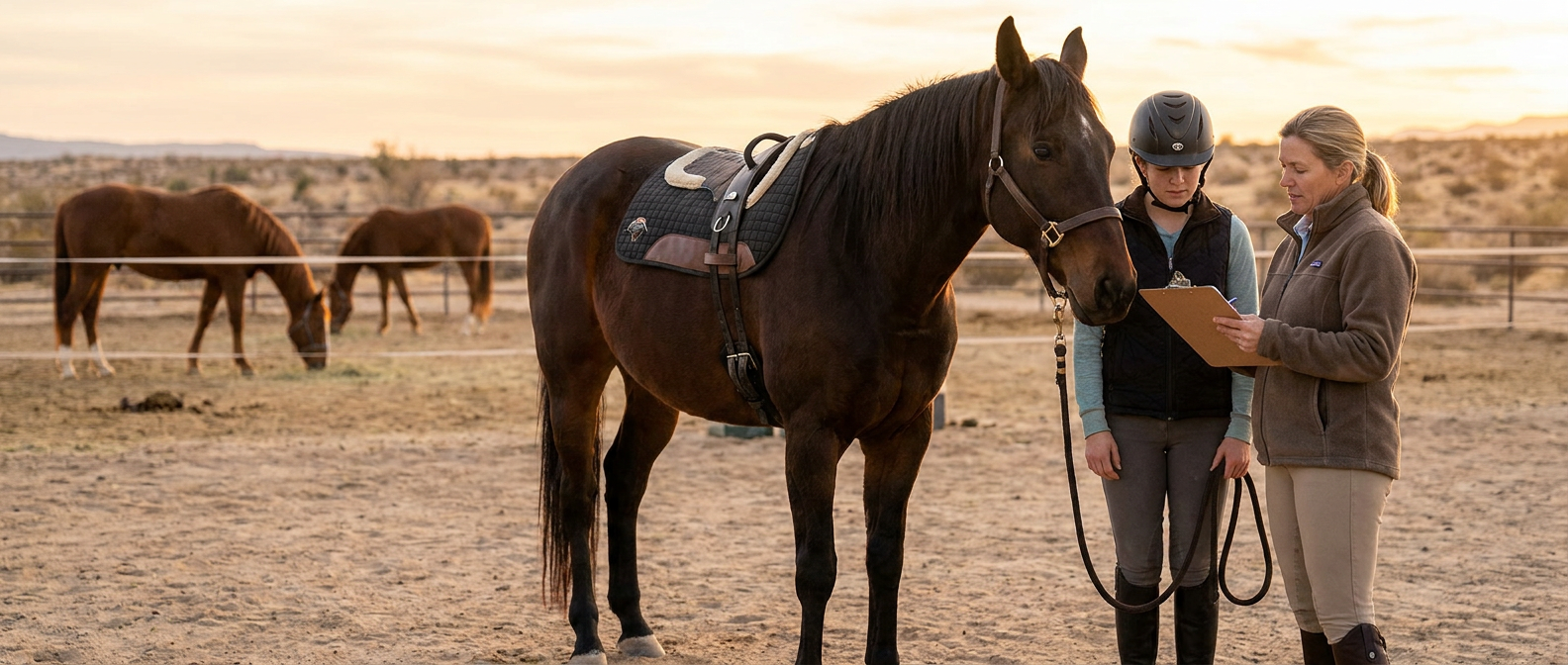
Understanding Equine Personalities in Therapeutic Settings
Every horse possesses a unique personality that can make or break a therapeutic session. The difference between a breakthrough moment and a setback often comes down to how well you’ve matched your equine partner’s natural temperament to your client’s specific needs and emotional state.
In Ridgecrest’s desert climate, where seasonal changes can trigger unexpected responses in both horses and clients, understanding these personality nuances becomes even more critical. The key lies in recognizing that horses aren’t just therapy tools—they’re emotional mirrors with distinct preferences, energy levels, and ways of connecting with humans.
Core Temperament Types and Their Therapeutic Applications
Most therapy horses fall into four primary temperament categories, each serving different therapeutic purposes. The calm, steady type excels with clients experiencing high anxiety or PTSD symptoms, providing the predictable presence that anxious minds crave. These horses typically maintain consistent energy regardless of external stimuli, making them perfect for first-time sessions or clients in crisis.
Sensitive horses offer incredible emotional attunement but require careful client matching. They pick up on subtle mood changes and can reflect a client’s internal state back to them—powerful for clients ready to explore their emotions but potentially overwhelming for those in early stages of healing.
Playful, energetic horses work wonders with withdrawn or depressed clients. Their natural curiosity and movement can gently coax engagement from clients who’ve shut down emotionally. However, these same qualities might overstimulate someone dealing with hypervigilance or sensory processing issues.
The fourth type—gentle but confident leaders—serves clients working on boundary-setting and self-advocacy. These horses respect clear communication but won’t accept unclear or inconsistent direction, creating natural opportunities for clients to practice assertiveness in a safe environment.
Reading Horse Body Language and Energy Levels
Before any session begins, spend at least ten minutes observing your horse’s current state. Ear position tells you everything—forward ears indicate engagement and curiosity, while pinned ears suggest irritation or discomfort that could affect the session’s success.
Watch for subtle energy shifts throughout the day. A horse that’s perfectly calm at 9 AM might carry different energy by 2 PM, especially during Ridgecrest’s warmer months when heat affects everyone’s mood. Eye expression reveals emotional availability; soft, relaxed eyes signal readiness for connection, while tense or distant gazing suggests the horse needs more warm-up time.
Body posture speaks volumes about therapeutic readiness. A horse standing squarely with relaxed muscles can handle more challenging client interactions than one shifting weight frequently or holding tension in their neck and shoulders. These observations should directly influence session planning and therapeutic activities you choose.
Pay attention to how your horse responds to different types of human energy. Some horses naturally gravitate toward quiet, introspective clients, while others seem energized by more expressive personalities. This natural preference becomes a valuable matching tool.
Age and Experience Factors in Horse Selection
Younger horses (ages 4-8) often bring enthusiasm and adaptability but may lack the emotional steadiness needed for trauma-focused work. Their energy can be perfect for clients working on rebuilding confidence or trying new experiences, but they require more experienced handlers during sessions.
Middle-aged horses (9-15 years) typically offer the sweet spot of experience and energy. They’ve usually encountered various human behaviors and can remain calm during emotional outbursts while still maintaining enough vitality to engage actively in therapeutic activities.
Senior horses (16+ years) provide unmatched emotional stability and patience. Their slower pace naturally encourages mindfulness and present-moment awareness, making them ideal for clients practicing grounding techniques or working through grief and loss issues.
Previous therapy experience matters as much as age. A horse that’s worked with trauma survivors understands the importance of maintaining personal space and won’t push for interaction when a client needs distance. This learned sensitivity becomes invaluable when working with clients who struggle with trust or boundary issues.
Breed Characteristics That Impact Therapy Sessions
While individual personality always trumps breed generalizations, certain breed characteristics can guide initial matching decisions. Quarter horses typically offer steady, reliable temperaments that work well across various client needs. Their calm nature and people-oriented breeding make them natural therapy partners.
Draft breeds bring gentle giants energy that can be incredibly grounding for clients feeling overwhelmed by life. Their size provides a sense of safety and protection, while their typically calm demeanor helps anxious clients regulate their nervous systems.
Thoroughbreds and other hot-blooded breeds require careful consideration. Their sensitivity can create powerful therapeutic connections with the right clients, but their reactive nature might trigger clients dealing with hypervigilance or startle responses.
Ponies and smaller breeds excel with children or clients who feel intimidated by larger animals. Their size reduces the power differential that can feel threatening to trauma survivors, creating easier opportunities for initial connection and trust-building exercises.
Assessing Client Needs and Treatment Goals
Evaluating Physical Limitations and Mobility Requirements
Physical assessment forms the foundation of successful horse-client matching in therapeutic settings. Each client presents unique mobility challenges that directly influence which horses will create the safest and most effective treatment environment. Veterans with lower limb amputations require different mounting considerations than individuals using wheelchairs, and these differences shape every aspect of the therapeutic partnership.
Ground-based activities often prove ideal for clients with severe mobility restrictions. A calm, patient horse that enjoys grooming and responds well to voice commands becomes invaluable for wheelchair users who benefit from brushing exercises that improve upper body strength and coordination. The horse’s height matters significantly here (a 14-hand horse positions better for wheelchair access than a 16-hand Thoroughbred).
Mounting considerations extend beyond simple physical capability. Clients with chronic pain conditions might manage mounting but struggle with sustained riding positions. In these cases, incorporating measurable therapy goals helps determine whether a shorter, broader horse provides better postural support than a narrow-backed Arabian.
Balance assessments reveal crucial matching criteria often overlooked in initial evaluations. A client with traumatic brain injury might demonstrate good gross motor skills but struggle with proprioceptive awareness. These individuals benefit from steady, rhythmic horses whose gaits provide consistent sensory input without overwhelming the nervous system.
Understanding Emotional and Psychological Objectives
Emotional goals require horses with temperaments that complement rather than challenge the client’s psychological state. Veterans experiencing hypervigilance need horses that remain calm despite sudden movements or loud noises. A horse that startles easily will reinforce anxiety patterns, while a steady, unflappable mount provides the security necessary for emotional regulation work.
Trust-building objectives call for specific equine personalities. Clients with trauma histories often struggle with vulnerability, making initial connections challenging. Horses that naturally seek human interaction (without being pushy) create opportunities for gradual relationship development. These animals demonstrate patience during tentative approaches and respond positively to small gestures of care.
Depression and withdrawal symptoms require horses capable of gentle persistence. Some clients arrive unable to engage emotionally, making horses that naturally offer quiet companionship invaluable. These animals won’t demand immediate interaction but remain available when the client feels ready to connect. The key lies in finding horses that provide presence without pressure.
Anger management goals benefit from horses with naturally calming energy. Aggressive behaviors that humans might take personally simply don’t register as threatening to the right horse. This creates a unique therapeutic environment where clients can express frustration safely while learning emotional regulation through the horse’s peaceful responses.
Age-Appropriate Matching Considerations
Children require horses with exceptional patience and predictable responses. Young clients often move unpredictably, make sudden noises, or attempt to hug horses around the neck. The ideal therapeutic horse for children possesses a naturally nurturing temperament, similar to a seasoned school horse that has learned to care for inexperienced riders.
Adolescents present different challenges, often bringing resistance or skepticism to therapy sessions. Horses with engaging personalities that naturally draw attention work well with teenagers. These animals might enjoy learning tricks, respond enthusiastically to grooming, or demonstrate clear preferences that give young clients a sense of being chosen by their equine partner.
Adult clients typically benefit from horses that mirror their energy levels appropriately. A high-achieving professional struggling with PTSD might initially connect better with a horse that demonstrates intelligence and responsiveness rather than a completely passive animal. The therapeutic relationship develops as both horse and client learn to regulate together.
Elderly clients often require horses with gentle dispositions and slower movements. Arthritic joints and decreased reaction times call for patient animals that move deliberately and respond to subtle cues. These horses become extensions of the client’s physical capabilities rather than challenging them.
Safety Assessment and Risk Management Factors
Risk evaluation begins with honest assessment of both client limitations and horse reliability. A horse that occasionally pulls toward the gate poses minimal risk for an experienced rider but becomes dangerous for someone with compromised grip strength. Safety matching requires understanding not just what could go wrong, but how quickly various situations could escalate.
Environmental factors influence safety considerations significantly. Horses that remain calm during Ridgecrest’s frequent military training flights create safer sessions than animals that spook at aircraft noise. Local conditions shape matching decisions in ways that standardized assessments might miss.
Emergency response capabilities factor into every pairing decision. When working with specialized therapy teams, horses must remain manageable if clients experience flashbacks or medical episodes. Animals that naturally seek human guidance during stressful moments provide additional safety margins that purely trained responses cannot guarantee.
Documentation of safety parameters ensures consistent decision-making across different staff members and sessions. Each horse-client pairing requires written protocols addressing specific risk factors, emergency procedures, and graduated exposure plans that build confidence while maintaining safety standards.
Creating Successful Horse-Client Partnerships
Initial Introduction Protocols and Safety Measures
The first meeting between horse and client sets the foundation for everything that follows. Professional equine therapy programs establish structured introduction protocols that prioritize safety while allowing natural connections to develop. These initial sessions typically occur in controlled environments where both parties can assess each other without pressure.
Safety measures begin before the client even enters the arena. Therapists conduct pre-session briefings that cover basic horse behavior, emergency protocols, and clear boundaries. Clients learn essential safety commands like “whoa” and “back,” while understanding that sudden movements or loud noises can startle even the calmest horses. Ground rules establish safe zones within the arena and clear paths for quick exits if needed.
During introductions, horses should be properly groomed, haltered, and held by experienced handlers. Clients approach from the side (never directly from behind or front), allowing horses to see and smell them. This natural assessment period helps both species gauge comfort levels. The handler watches for positive indicators like relaxed ears, steady breathing, and gentle curiosity from the horse, while monitoring the client’s body language for signs of anxiety or fear.
Building Trust Between Horse and Client
Trust development happens through consistent, predictable interactions that allow both horse and client to feel secure. Successful partnerships begin with simple groundwork activities like leading, grooming, and basic care tasks that don’t require riding skills. These foundation activities create opportunities for non-verbal communication and mutual respect.
Horses naturally mirror human emotional states, making them powerful partners for clients working through trauma or anxiety. When clients learn to regulate their own breathing and movements, horses respond with calmer behavior, creating a positive feedback loop. This process often takes several sessions, with progress measured in small victories rather than dramatic breakthroughs.
Consistency in handling techniques, commands, and routines helps horses understand expectations while giving clients confidence in their interactions. Regular grooming sessions become particularly valuable for building trust, as these quiet moments allow for gentle physical contact and observation of the horse’s responses. Many clients find that caring for their equine partner through programs designed specifically for their needs creates deeper therapeutic connections than traditional talk therapy approaches.
Monitoring Progress and Adjusting Partnerships
Successful horse-client partnerships require ongoing assessment and adjustment as both participants grow and change. Therapists document behavioral observations, noting improvements in client confidence, emotional regulation, and physical capabilities alongside changes in the horse’s responsiveness and comfort level.
Progress indicators vary widely depending on individual goals, but common positive signs include increased client independence around horses, improved posture and balance during mounted activities, and greater emotional stability during sessions. Horses may show progress through decreased stress behaviors, increased willingness to approach clients, and more relaxed body language during interactions.
Regular evaluation sessions involve input from the entire therapy team, including the client, therapist, and horse handler. These discussions help identify when partnerships are thriving and when adjustments might be needed. Some clients benefit from rotating between different horses to experience various temperaments and challenges, while others need consistent partnerships for security and trust-building.
Documentation becomes crucial for tracking long-term progress and identifying patterns. Many successful programs maintain detailed records of each session, including the horse’s energy level, client’s mood and behavior, specific activities attempted, and notable breakthroughs or challenges encountered.
Recognizing When a Match Isn’t Working
Not every horse-client pairing will be successful, and recognizing incompatibility early prevents frustration for both parties. Warning signs include consistent stress behaviors from the horse (excessive pawing, head tossing, or reluctance to approach), ongoing fear or resistance from the client, or lack of progress despite adequate time and consistent sessions.
Personality mismatches sometimes become apparent only after several sessions. A highly energetic horse might overwhelm an anxious client, while a very calm horse might not provide enough stimulation for someone seeking physical challenge and engagement. Environmental factors also play a role, as some horses perform better in specific settings or during particular weather conditions.
Professional judgment guides these decisions, with experienced therapists recognizing when to adjust approaches versus when to recommend different partnerships. The goal isn’t to force connections but to find optimal matches that support therapeutic progress. Sometimes the solution involves changing activities rather than changing horses, as different approaches within therapeutic riding sessions can unlock previously unsuccessful partnerships.
Ending unsuccessful partnerships should be handled sensitively, with clear explanations for clients about why changes benefit their therapeutic journey. This process reinforces that mismatches reflect compatibility rather than failure, maintaining client confidence while opening doors to better-suited partnerships.
Specialized Matching for Different Therapy Types
Hippotherapy and Physical Rehabilitation Requirements
Physical rehabilitation demands horses with exceptional steadiness and predictable gaits. The ideal hippotherapy horse moves with consistent rhythm at all speeds, creating the therapeutic movement patterns essential for neuromotor development. These horses must tolerate sudden weight shifts, unexpected movements, and medical equipment without startling or changing their gait pattern.
Quarter horses and draft crosses often excel in hippotherapy settings because their naturally steady temperaments align with rehabilitation goals. A calm horse with a smooth, rhythmic walk provides the sensory input needed for balance training and core strengthening. The horse’s movement becomes the therapeutic tool itself, so any unpredictability disrupts treatment progress.
Temperature regulation also matters significantly for physical rehabilitation sessions. Horses that remain calm during extended sessions, even when clients require frequent position adjustments or equipment changes, create the stable environment necessary for specialized treatment programs that address complex physical needs.
Therapeutic Riding and Skill Development Programs
Skill development programs require horses with more interactive temperaments than hippotherapy horses. These partnerships focus on building riding skills, communication abilities, and emotional regulation through mounted activities. The horse needs enough personality to engage with the client while maintaining safety boundaries.
Forward-moving horses with gentle curiosity work best for therapeutic riding programs. They respond to rider cues without becoming overly sensitive, allowing clients to experience success while learning. A slightly more spirited horse can actually benefit clients who need motivation and confidence building, as long as the horse remains completely safe and predictable in its responses.
The key difference lies in responsiveness levels. While hippotherapy horses provide steady movement regardless of rider input, therapeutic riding horses must react appropriately to client cues. This creates learning opportunities where clients can see cause and effect relationships between their actions and the horse’s responses, building both riding skills and emotional awareness.
Ground-Based Activities and Unmounted Interventions
Ground-based equine therapy sessions require horses with strong social instincts and natural curiosity about human interaction. These horses engage in activities like grooming, leading, and obstacle navigation without being ridden. The therapeutic value comes from the relationship building and problem-solving opportunities these interactions create.
Horses selected for ground work need higher emotional intelligence and social awareness than their mounted therapy counterparts. They must read human body language accurately and respond to subtle emotional cues. A naturally inquisitive horse that enjoys human contact while respecting personal space boundaries creates the perfect dynamic for these sessions.
Ground-based activities often work exceptionally well for clients with trauma histories or anxiety disorders. The horse’s calm presence and non-judgmental interaction style provides emotional regulation support. Horses that naturally seek connection but don’t become pushy or demanding help clients practice healthy boundary setting in a safe environment.
Working with Special Populations and Complex Needs
Special populations require horses selected for their ability to remain calm under unusual circumstances. Clients with autism spectrum disorders, severe PTSD, or developmental disabilities may exhibit unpredictable behaviors that could startle less experienced therapy horses. The right horse temperament can make the difference between therapeutic breakthrough and session disruption.
Veterans dealing with PTSD often benefit from horses that demonstrate quiet confidence without being overly reactive to sudden sounds or movements. These horses provide a calming presence while allowing the veteran to practice emotional regulation techniques. The horse’s steady demeanor helps create the safe space necessary for processing trauma and building trust.
For clients with cognitive disabilities, horses with patient temperaments and clear communication styles work best. These horses provide consistent feedback without becoming frustrated when clients need extra time to process instructions or complete tasks. The therapeutic relationship develops at the client’s pace, with the horse serving as both motivator and emotional support.
Complex needs often require horses that can adapt their energy levels to match client requirements on any given day. Some sessions may need high engagement and interaction, while others require quiet, supportive presence. Horses selected for special populations must demonstrate this flexibility while maintaining their therapeutic effectiveness across different session types and client presentations.
Professional Assessment Tools and Documentation
Developing Horse Behavioral Profiles
Creating comprehensive behavioral profiles for each therapy horse forms the foundation of successful matching protocols. These profiles go far beyond basic temperament assessments to include detailed observations of how horses respond to different environmental stressors, client personalities, and therapeutic activities.
Effective horse profiles document energy levels throughout different times of day, seasonal behavioral patterns, and response to various sensory inputs. A calm horse like Duke might show increased alertness during afternoon sessions but maintain his steady demeanor, while a more sensitive horse could become overstimulated by the same conditions. Recording these patterns over multiple months provides invaluable data for matching decisions.
The profiling process should include standardized behavioral observations across consistent scenarios. Staff members observe horses during grooming sessions, ground work exercises, and interaction with different handler personalities. This systematic approach reveals subtle behavioral nuances that impact therapeutic effectiveness, such as a horse’s preference for quiet clients versus those who benefit from more animated interaction.
Client Intake Forms and Needs Assessment
Comprehensive client intake documentation captures both obvious and subtle factors that influence horse-client compatibility. Beyond standard medical history and therapy goals, effective intake forms explore sensory sensitivities, previous animal experiences, and specific trauma triggers that might affect equine interactions.
The assessment process includes observing client body language, voice patterns, and initial reactions to the stable environment. Some clients immediately gravitate toward larger, more imposing horses that provide a sense of security, while others feel safer with smaller, gentler animals. These initial responses provide valuable insights for matching considerations.
Detailed intake forms document client energy levels, preferred communication styles, and comfort with physical contact. A veteran dealing with hypervigilance might benefit from a horse with naturally calm body language, while someone struggling with depression could connect better with a more responsive, emotionally engaging animal. The treatment team approach ensures multiple perspectives inform these assessments.
Creating Match Documentation for Safety and Progress
Proper documentation of horse-client matches serves dual purposes: ensuring immediate safety and tracking long-term therapeutic progress. Each pairing requires detailed records that outline the rationale behind the match, anticipated challenges, and specific safety protocols tailored to both participants.
Match documentation includes emergency procedures specific to each horse-client combination. If a particular horse becomes anxious around sudden movements and a client has involuntary tics, the documentation outlines specific intervention strategies and alternative horses available for immediate substitution. This level of detail prevents dangerous situations and maintains therapeutic momentum.
Progress tracking within match documentation reveals patterns that inform future pairing decisions. Recording weekly observations about interaction quality, breakthrough moments, and any behavioral changes in both horse and client creates a valuable database for refining matching protocols. Successfully documented matches often reveal unexpected compatibilities that expand understanding of therapeutic possibilities.
The documentation system must be easily accessible to all staff members while maintaining client confidentiality. Digital systems allow real-time updates and quick reference during session planning, ensuring that temporary changes in horse availability or client needs don’t compromise therapeutic quality.
Training Staff in Assessment Protocols
Consistent assessment protocols require comprehensive staff training that goes beyond basic horse handling skills. Team members must develop keen observational abilities to recognize subtle behavioral cues in both horses and clients that influence matching success.
Training programs include hands-on practice with standardized assessment tools, role-playing scenarios with different client presentations, and ongoing calibration sessions to ensure consistency across evaluators. New staff members shadow experienced assessors for at least 20 sessions before conducting independent evaluations, building confidence while maintaining quality standards.
Regular refresher training addresses evolving best practices and introduces new assessment techniques. Monthly case review sessions allow staff to discuss challenging matches, share successful strategies, and refine protocols based on collective experience. This collaborative approach strengthens the entire team’s assessment capabilities.
Staff training emphasizes the importance of cultural sensitivity and trauma-informed care principles in assessment processes. Understanding how different backgrounds influence client responses to animals and therapeutic environments helps create more accurate assessments and ultimately more successful matches. The comprehensive approach to assessment protocols supports the broader mission of providing effective therapeutic interventions for Ridgecrest’s diverse community needs.
Long-Term Partnership Management and Outcomes
Tracking Therapeutic Progress and Milestones
Effective long-term partnerships require systematic progress monitoring that goes beyond subjective observations. Successful programs establish baseline metrics within the first three sessions and track measurable changes in client behavior, emotional regulation, and therapeutic goal achievement. This includes documenting breakthrough moments when a previously anxious client approaches their horse confidently or when communication barriers dissolve during grooming activities.
Documentation systems should capture both quantitative data (session frequency, task completion rates, interaction duration) and qualitative observations about the evolving horse-client dynamic. Many Ridgecrest practitioners find that tracking micro-progressions, such as a client’s improved posture around their therapeutic partner, reveals patterns that inform future session planning and partnership adjustments.
Adapting Partnerships as Client Needs Evolve
Therapeutic needs shift dramatically over treatment timelines, and successful horse-client partnerships must evolve accordingly. A client who initially required a calm, steady horse for anxiety management might later benefit from working with a more energetic partner to build confidence and assertiveness skills. This flexibility demands ongoing assessment and willingness to modify matching decisions based on emerging client strengths and therapeutic objectives.
Practitioners often discover that partnerships which seemed perfect initially may require adjustments as clients progress through different healing phases. For instance, a veteran working through PTSD symptoms might transition from groundwork with a gentle mare to mounted activities with a responsive gelding as their trust and emotional regulation improve. The key lies in recognizing when partnerships have served their purpose and new dynamics could accelerate progress.
Environmental factors also influence partnership evolution. Seasonal changes in Ridgecrest’s desert climate affect both horse behavior and client comfort levels, sometimes necessitating temporary partner rotations or activity modifications. Successful programs maintain flexibility while preserving the core therapeutic relationship that drives healing outcomes.
Preparing for Transitions and Program Completion
Planning for partnership transitions requires careful attention to attachment dynamics and separation anxiety that can affect both clients and horses. Effective transition protocols begin weeks before the final session, gradually reducing interaction frequency while introducing reflection activities that help clients process their therapeutic journey and internalize learned coping strategies.
Closure rituals play a crucial role in healthy partnership endings. These might include creating photo albums, writing letters to their therapeutic partner, or participating in symbolic activities that honor the relationship while marking completion. Some programs offer alumni events where former clients can visit their therapeutic partners, maintaining connection without disrupting active treatment relationships.
Successful transitions also involve connecting clients with ongoing support resources in the Ridgecrest community. This might include referrals to traditional counseling services, support groups, or recreational horse programs that allow continued interaction with horses in non-therapeutic settings.
Measuring Success in Horse-Client Relationships
Partnership success extends beyond individual therapeutic goals to encompass relationship quality indicators that predict long-term treatment outcomes. Observable markers include spontaneous interactions between sessions, client advocacy for their horse’s comfort and needs, and the development of intuitive communication patterns that demonstrate deep mutual understanding.
Quantitative measures might track session engagement levels, completion of progressive challenges, and achievement of specific behavioral or emotional goals. However, qualitative assessment often reveals the most significant success indicators: clients who arrive early to spend extra time with their partner, families who report improved relationships at home, or individuals who develop lasting confidence that transfers to other life areas.
Long-term follow-up studies consistently show that well-matched partnerships produce more durable therapeutic gains than generic horse interactions. Clients maintain learned coping skills longer and demonstrate greater resilience in facing future challenges when their therapeutic experience includes a meaningful interspecies bond.
The investment in careful horse-client matching pays dividends throughout the therapeutic journey and beyond. Programs that prioritize individualized partnerships consistently achieve higher completion rates, stronger therapeutic outcomes, and more positive client testimonials. For therapeutic professionals in Ridgecrest seeking to maximize their program’s impact, the evidence clearly supports detailed assessment and thoughtful matching protocols. If you’re ready to explore how equine therapy partnerships can transform treatment outcomes for your clients, the foundation begins with understanding that every successful therapeutic journey starts with the right horse-human connection.
Related Posts
- Programs, People, and Purpose: How THOR Serves Ridgecrest with Horse-Powered Therapy
- Healing Through Hoofbeats: The Origins and Impact of THOR in Ridgecrest
- From Stall to Support: The Future of THOR and Its Role in Ridgecrest’s Evolving Care Landscape
- March Forward with Confidence Why Now is the Perfect Time to Start PTSD Treatment
- Indoor vs Outdoor Equine Sessions Adapting PTSD Therapy Programs for Every Season
- Creating Your PTSD Treatment Team How to Partner with Equine Therapy Specialists
- The Science Behind Horse Therapy What Clinic Directors Need to Know About Measuring Success
- Why March Weather Changes Can Trigger PTSD Symptoms and How Equine Therapy Helps
