
Pre-Session Grooming Techniques That Build Client Confidence
Creating a Welcoming Environment Before Client Arrival
The moment a client walks into your therapeutic space sets the tone for their entire session. Before any horse-human interaction begins, the environment itself becomes a silent communicator—telling clients whether they’re safe, supported, and valued. In the demanding desert climate of Ridgecrest, where therapeutic programs face unique environmental challenges, creating this foundation requires intentional preparation that goes far beyond basic facility maintenance.
The grooming area serves as the first point of meaningful connection between client and horse, making it one of the most critical spaces in any therapeutic program. What happens here in the minutes before a session can either build confidence or create anxiety that ripples through the entire therapeutic experience.
Preparing the Grooming Area for Therapeutic Success
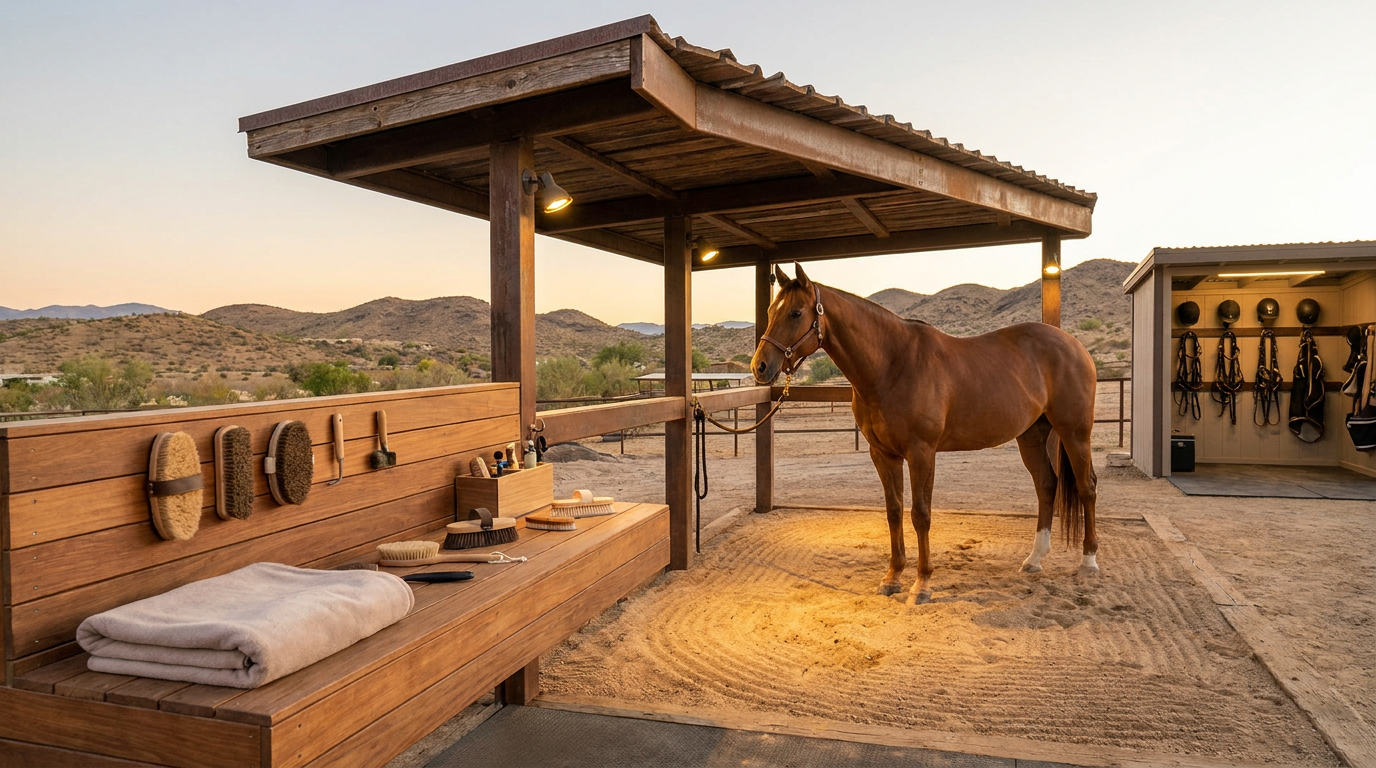
Physical space preparation involves more than simply having clean stalls and organized equipment. The grooming area needs to feel psychologically safe while maintaining the professional standards that clients expect from quality therapeutic programs. Temperature control becomes especially important during Ridgecrest’s extreme seasonal variations—clients dealing with PTSD or anxiety often have heightened sensitivity to environmental discomfort.
Proper lighting creates the foundation for therapeutic success. Natural lighting works best when available, but supplemental lighting should eliminate harsh shadows that might startle sensitive clients or horses. Many programs find that adjustable LED systems allow staff to modify brightness based on individual client needs and time of day.
The grooming area layout should provide clear sightlines while offering enough space for clients to move comfortably around the horse. A standard 12×12 stall works well, but cross-tie areas often provide better visibility and accessibility for therapeutic purposes. Non-slip flooring reduces anxiety about potential falls, while rubber mats provide cushioning that benefits both horse and client comfort during extended grooming sessions.
Setting Up Equipment and Tools for Smooth Sessions
Equipment organization directly impacts session flow and client confidence. When tools are easily accessible and properly arranged, clients can focus on the therapeutic process rather than struggling with logistics. A mobile grooming kit works well for programs that switch between indoor and outdoor based on weather conditions.
Essential tools should include various brush types, hoof picks, and towels, all sanitized and ready for use. Having backup equipment available prevents session disruptions when tools break or need cleaning mid-session. Color-coding different brush sets helps maintain hygiene standards while teaching clients about proper tool selection.
Storage solutions should be both functional and visually appealing. Wall-mounted organizers keep tools within reach while maintaining the clean, professional appearance that builds client confidence. Clear labeling helps new clients understand equipment purposes and builds their sense of competence as they learn proper grooming techniques.
Establishing Calm Energy in the Horse-Client Space
Energy management starts with staff preparation before any client arrives. Horses are incredibly sensitive to human emotional states, and they’ll mirror the stress or calm that staff members bring into the space. Taking five minutes to center yourself before client arrival can dramatically impact the entire session’s success.
Background noise management becomes crucial in therapeutic settings. While some programs benefit from gentle background music, others find that eliminating all unnecessary sounds helps clients feel more grounded. The key lies in understanding your specific client population and their sensory needs.
Creating predictable routines helps both horses and clients feel secure. When horses know what to expect from the grooming process, they remain calmer and more receptive to new clients. This predictability transfers to clients, who often find comfort in structured, repeated activities during their therapeutic journey.
Visual Cues That Signal Safety and Professionalism
Professional appearance standards communicate competence and safety to clients who may already feel vulnerable or uncertain. Clean uniforms, properly maintained facilities, and organized equipment all contribute to the visual message that clients are in capable hands.
Safety equipment should be visible but not overwhelming. Properly placed fire extinguishers, first aid kits, and emergency contact information demonstrate preparedness without creating anxiety. Many successful programs use discrete signage that provides necessary safety information while maintaining a welcoming atmosphere.
Personal touches can make the space feel less clinical while maintaining professional standards. Photos of successful client-horse partnerships, inspirational quotes, or local artwork help create emotional warmth that supports equine therapy goals. These elements should complement rather than distract from the primary therapeutic focus.
The investment in environmental preparation pays dividends throughout every subsequent interaction, creating the stable foundation that allows both horses and clients to engage authentically in the therapeutic process.
Essential Horse Preparation Techniques for Client Confidence
Pre-Session Health and Temperament Assessment
Every successful equine therapy session begins long before your client arrives. The foundation of client confidence starts with a thorough assessment of your horse’s physical and emotional state. Think of this as your pre-flight checklist — one that clients will often observe and find deeply reassuring.
Start your assessment by checking for obvious signs of discomfort or illness. Run your hands along the horse’s legs, checking for heat, swelling, or sensitivity. A horse dealing with minor soreness might seem fine to an untrained eye, but experienced therapists know that even subtle discomfort can translate into unpredictable behavior during sessions.
Temperature checks matter more than most people realize. A simple touch to the ears and muzzle can reveal fever or stress. Horses carrying tension often have cooler extremities, while those running a low-grade fever might feel warmer than usual. These small details become crucial when working with clients who are already managing their own stress and anxiety.
Pay special attention to your horse’s eyes and overall demeanor. Bright, alert eyes with normal blinking patterns signal readiness. Dull eyes, excessive blinking, or a distant stare often indicate the horse isn’t mentally prepared for therapy work. When creating your ptsd approach, remember that horses mirror emotional states — an unfocused horse won’t provide the grounding presence your client needs.
Grooming Sequences That Demonstrate Horse Readiness
The grooming process serves dual purposes: preparing your horse and demonstrating your expertise to observing clients. Develop a consistent sequence that clients can witness, creating predictability that soothes both human and equine participants.
Begin with the curry comb using circular motions along the neck and shoulders. This isn’t just about removing dirt — you’re activating circulation and gauging the horse’s responsiveness to touch. A horse that leans into the curry comb is showing relaxation and trust. One that tenses or steps away needs more time to settle.
Move systematically through your grooming routine: curry comb, body brush, finishing brush, and hoof pick. Each tool serves a specific purpose, and clients find comfort in watching these deliberate, caring actions. The rhythm of brushing often has a calming effect on anxious clients who are observing from the arena entrance.
Don’t rush this process. Proper grooming for therapy work takes 15-20 minutes, and that time investment pays dividends. Clients see your attention to detail and care for the animal they’ll soon be working with. This visible dedication builds confidence before any therapeutic interaction begins.
Reading and Responding to Your Horse’s Energy Levels
Horses communicate constantly through body language, and skilled therapists learn to read these signals like a detailed report. Your ability to interpret and respond to your horse’s energy directly impacts client safety and session success.
High energy days require different preparation strategies. A horse showing excessive alertness — ears constantly swiveling, higher head carriage, quicker movements — might benefit from additional groundwork before client arrival. Simple exercises like backing, yielding hindquarters, or lunging can help settle an overstimulated horse.
Conversely, low energy days present their own challenges. A sluggish horse won’t engage meaningfully with clients, potentially undermining therapeutic goals. Light exercise, varied grooming pressure, or introducing novel (but safe) stimuli can help elevate energy to appropriate levels.
Watch for subtle stress signals during preparation. Pinned ears, tight facial muscles, or reluctance to move forward all indicate internal tension. These horses need patience and possibly modified session plans. Clients benefit tremendously from seeing how you adapt to your horse’s needs — it demonstrates the responsive, individualized care they can expect.
Safety Checks That Clients Can Observe and Understand
Visible safety protocols reassure clients while establishing professional standards they can understand and appreciate. Make these checks deliberate and observable, explaining your actions when appropriate.
Tack inspection becomes an educational opportunity. Run your hands along saddle pads, checking for foreign objects or wear spots. Examine billets, buckles, and stitching while clients watch. This demonstrates your commitment to safety while familiarizing them with equipment they’ll encounter.
Environmental safety checks matter equally. Walk the arena perimeter, checking for hazards like loose boards, protruding nails, or objects that might startle horses. Point out safety features like proper fencing height, gate latches, and emergency exits. Clients feel more secure when they understand the thought behind safety measures.
Document any concerns in writing, even minor ones. Clients often notice this attention to detail, and seeing written safety protocols reinforces professionalism. Consider creating visible checklists that clients can observe — transparency builds trust faster than any verbal assurance.
Weather adaptations require special attention in Ridgecrest’s varied climate. Check ground conditions, wind levels, and temperature extremes that might affect session safety. Clients appreciate seeing these environmental considerations factored into preparation decisions.
Building Trust Through Transparent Preparation Practices
Involving Clients in Age-Appropriate Preparation Activities
The grooming process becomes significantly more therapeutic when clients actively participate rather than simply observe. For younger clients (ages 8-12), start with simple tasks like offering treats or holding the lead rope while explaining each movement. This builds confidence through manageable responsibility without overwhelming them with complex techniques.
Adolescent clients often respond well to learning proper brush strokes and understanding why each tool serves a specific purpose. Let them handle the curry comb under supervision, explaining how circular motions help loosen dirt and stimulate circulation. This hands-on approach transforms passive anxiety into active engagement, giving clients a sense of control over their environment.
Adult clients benefit from more detailed involvement in the preparation process. They can learn to check hooves for debris, assess the horse’s mood through body language, and understand the relationship between thorough grooming and safety. When clients understand that proper preparation directly contributes to their session success, they develop investment in the process rather than fear of it.
Explaining Each Step to Reduce Client Anxiety
Transparency eliminates the unknown factors that often trigger anxiety in therapy settings. Before touching the horse, walk clients through the entire grooming sequence, showing each tool and explaining its purpose. This preview helps clients understand what to expect and reduces the fear of unexpected movements or sounds.
Use clear, simple language to describe why each step matters. “We start with the curry comb because it brings dirt to the surface, then use the dandy brush to sweep it away.” When clients understand the logic behind each action, they feel more secure about the process. Research shows that measuring success in equine therapy often depends on how well clients understand and connect with the preparation phase.
Address common concerns before they arise. Explain that horses enjoy grooming, that the tools won’t hurt them, and that the horse’s movements are normal responses to touch. When clients see the horse relaxing during grooming, they begin to mirror that calm state, setting a positive tone for the entire session.
Demonstrating Proper Handling Techniques
Visual demonstration builds confidence more effectively than verbal instruction alone. Show clients how to approach the horse calmly, keeping movements slow and deliberate. Demonstrate proper body positioning: standing at the horse’s shoulder rather than directly in front or behind, maintaining balance, and keeping one hand on the horse for awareness of its movement.
Break down brush techniques into manageable components. Show the difference between firm pressure for curry combing and lighter strokes for finishing brushes. Let clients practice on a stable surface first, using the brushes on a saddle pad or blanket, before moving to the horse. This builds muscle memory and confidence without the added variable of working with a living animal.
Safety demonstrations should feel empowering rather than frightening. Teach clients to read horse body language: pinned ears indicating discomfort, relaxed posture showing contentment, and how horses communicate through shifting weight. When clients can interpret these signals, they feel more capable and less anxious about potential unpredictability.
Creating Opportunities for Initial Horse-Client Connection
The grooming process naturally creates multiple touchpoints for building relationships between horse and client. Start with hand-feeding treats, which establishes immediate positive association and gives clients a concrete way to interact successfully. The horse’s gentle acceptance of treats often surprises anxious clients and creates the first spark of connection.
Encourage clients to talk to the horse during grooming, explaining what they’re doing or simply sharing their thoughts. This seemingly simple practice serves multiple therapeutic purposes: it reduces client self-consciousness, helps horses adjust to the client’s voice, and creates a meditative rhythm that calms both participants. Many clients discover that horses are excellent listeners who judge nothing and respond positively to gentle attention.
Design moments of mutual care into the grooming routine. Have clients check for sensitive spots that need extra gentle attention, or notice when the horse particularly enjoys certain brushing areas. These observations help clients recognize that they can provide comfort and care for another being, building empathy and self-worth simultaneously. The reciprocal nature of this relationship forms the foundation for breakthrough moments that often occur later in equine therapy sessions.
Document these initial connections for future reference. When clients struggle in later sessions, reminding them of their successful grooming interactions can restore confidence and motivation to continue their therapeutic journey.
Grooming as a Therapeutic Tool for Client Engagement
Teaching Basic Grooming Skills to Empower Clients
Starting clients with simple brushing techniques creates an immediate sense of accomplishment that builds confidence throughout the therapeutic process. Begin with basic curry comb motions on the horse’s neck and shoulder areas, showing clients how circular movements help remove dirt and loose hair. This hands-on approach gives clients control over their experience while establishing a physical connection with their equine partner.
Demonstrating proper brush selection helps clients understand their role in horse care. A soft body brush works best for sensitive areas, while a stiff dandy brush handles tougher dirt on legs and belly regions. When clients learn to choose the right tool for each area, they develop decision-making skills that translate into personal empowerment. The repetitive motions of grooming also provide a meditative quality that naturally reduces anxiety levels.
Teaching clients to read the horse’s body language during grooming builds emotional intelligence. Point out when horses lean into brushing (showing enjoyment) or step away (indicating discomfort). This real-time feedback helps clients develop empathy and communication skills that extend beyond the therapy session. Many participants in our therapeutic riding program report feeling more confident in their daily relationships after mastering these observation skills.
Using Grooming Time to Assess Client Comfort Levels
Observing how clients approach grooming tasks reveals valuable information about their emotional state and therapeutic needs. Hesitant movements might indicate anxiety or past trauma, while rushed grooming suggests difficulty with patience or impulse control. These behavioral patterns help therapists adjust session goals and intervention strategies in real-time.
The way clients handle grooming tools provides insights into their fine motor skills and coordination levels. Some participants struggle with grip strength due to physical limitations, while others show perfectionist tendencies through overly meticulous brushing patterns. This assessment period allows therapists to modify activities and set realistic expectations for the remaining session.
Monitoring client responses to the horse’s reactions during grooming helps gauge emotional regulation skills. When a horse moves away from uncomfortable brushing, some clients become frustrated while others adapt their technique. These responses indicate how clients handle unexpected situations and guide therapeutic interventions. The immediate feedback from horses creates authentic learning opportunities that traditional therapy settings cannot replicate.
Incorporating Mindfulness and Breathing Techniques
Synchronizing breathing patterns with grooming strokes creates a meditative rhythm that calms both client and horse. Encourage clients to breathe in during upward brush strokes and exhale during downward movements. This coordination requires focus that naturally quiets racing thoughts and reduces stress hormones. The physical act of grooming combined with intentional breathing creates a powerful mindfulness exercise.
Teaching clients to notice sensory details during grooming enhances present-moment awareness. The texture of the horse’s coat, the sound of brushing, and the smell of clean hay engage multiple senses simultaneously. This sensory grounding technique helps clients with anxiety or PTSD stay connected to the present rather than getting lost in difficult memories or future worries.
Progressive muscle relaxation techniques integrate naturally into grooming activities. Start with gentle shoulder rolls before picking up brushes, then demonstrate how relaxed arms create smoother, more effective grooming motions. When clients learn to recognize and release physical tension, they often discover emotional tension patterns as well. This body awareness carries forward into daily life situations where stress management becomes crucial.
Adapting Grooming Activities for Different Abilities and Ages
Younger children respond well to playful grooming games that make learning feel like fun rather than work. Create stories about “helping the horse get ready for a party” or “finding hidden treasures in the coat.” These imaginative approaches keep children engaged while building essential motor skills and following multi-step instructions. Shorter grooming sessions with frequent praise maintain attention spans without overwhelming developing nervous systems.
Clients with physical limitations benefit from adaptive equipment and modified techniques that ensure successful participation. Lightweight brushes with enlarged handles accommodate limited grip strength, while step stools provide safe access to higher grooming areas. The key lies in focusing on what clients can accomplish rather than their limitations, building confidence through achievable goals.
Adults dealing with trauma require patient instruction that respects their personal boundaries and triggers. Some participants prefer working on the horse’s side rather than directly in front, while others need frequent breaks to process emotions that surface during grooming. Equine Therapy professionals learn to read these subtle cues and adjust activities accordingly, creating safe spaces where healing can occur naturally through gentle interaction with horses.
Professional Standards That Enhance Client Trust
Maintaining Consistent Grooming Protocols
Professional grooming protocols form the backbone of client confidence in equine therapy programs. When clients observe structured, methodical approaches to horse preparation, they inherently understand they’re in capable hands. Establishing clear grooming sequences that remain consistent across all sessions creates predictability that both horses and clients can rely on.
Start with a standardized pre-grooming inspection checklist. Examine the horse’s hooves, check for any cuts or swelling, and assess overall demeanor before picking up the first brush. This systematic approach demonstrates thoroughness while allowing clients to witness the care standards that protect both them and the animals. Many programs find that explaining these safety checks aloud helps clients understand the professional attention given to every detail.
The grooming sequence itself should follow a logical pattern that makes sense to observing clients. Begin with the curry comb in circular motions to loosen dirt and debris, followed by the dandy brush to remove loose material, and finish with the body brush for a polished appearance. This progression shows clients that nothing happens randomly in professional equine therapy settings.
Document any deviations from standard protocols immediately. When weather conditions require adjustments to grooming routines, or when individual horses need special attention, clear notation ensures continuity between sessions. This documentation becomes particularly valuable when working with clients who require consistency for their therapeutic progress.
Documentation and Communication Best Practices
Transparent communication about grooming processes builds trust faster than any other single factor. When clients understand what’s happening and why, their confidence in the program increases dramatically. Create simple, visual grooming logs that clients can review, showing the care their therapy horse receives between sessions.
Photographic documentation serves multiple purposes in professional programs. Before and after photos of grooming sessions demonstrate the transformation that occurs, while also providing concrete evidence of horse welfare standards. These images become particularly valuable for veterans & ptsd programs where clients may need extra assurance about animal welfare.
Establish clear communication channels between grooming staff and therapists. When grooming reveals something noteworthy about a horse’s condition or behavior, that information must reach the therapy team before the client session begins. This prevents surprises that could undermine client confidence and ensures therapeutic goals remain the primary focus.
Written grooming reports should capture not just what was done, but how the horse responded. Did the animal seem particularly sensitive today? Were there any behavioral changes noticed during grooming? This contextual information helps therapists tailor their approaches and demonstrates to clients that every aspect of the horse’s wellbeing is monitored closely.
Training Staff to Support Client Confidence
Staff training extends far beyond technical grooming skills. Team members must understand how their visible professionalism directly impacts client trust and therapeutic outcomes. When clients observe confident, skilled handlers preparing their therapy horses, they feel more secure about their upcoming session.
Role-playing exercises help staff practice explaining grooming procedures to curious clients. Some individuals want detailed explanations of each step, while others prefer minimal interaction during preparation time. Training staff to read client cues and adjust their communication accordingly prevents overwhelming anxious participants while satisfying those who find comfort in understanding the process.
Cross-training ensures consistency across all staff members. When multiple people can perform grooming duties to the same professional standards, clients never experience a drop in quality regardless of scheduling changes. This consistency becomes especially important in programs serving clients with trauma histories who may be sensitive to routine disruptions.
Regular skills assessments keep grooming standards sharp. Monthly evaluations of technique, safety awareness, and client interaction skills ensure that professional standards never slip. These assessments also provide opportunities to introduce new techniques or equipment that could enhance client confidence.
Quality Assurance Measures for Every Session
Quality assurance begins with pre-session equipment checks. Clean, well-maintained grooming tools demonstrate professionalism and prevent cross-contamination between horses. Clients notice these details, and seeing fresh, organized equipment builds confidence in overall program quality.
Supervisor spot-checks validate that protocols are followed consistently. Random observations of grooming sessions ensure that standards remain high when supervisors aren’t present. These checks also identify opportunities for additional training or process improvements that could further enhance client confidence.
Client feedback integration creates continuous improvement cycles. When participants express concerns or suggest improvements related to pre-session preparation, those insights should guide protocol refinements. This responsive approach demonstrates that client input is valued and acted upon, strengthening trust in the overall program.
Environmental quality assurance extends beyond the horses themselves. Clean grooming areas, organized tool storage, and well-maintained facilities all contribute to the professional atmosphere that builds client confidence. Regular facility maintenance schedules ensure that the physical environment supports the therapeutic mission rather than detracting from it.
Troubleshooting Common Pre-Session Challenges
Managing Client Fears and Hesitations
Client anxiety about interacting with horses often peaks during pre-session preparation, making this phase critical for building confidence. When clients express fear about grooming or handling equipment, acknowledge their concerns without dismissing them. Create space for questions by explaining each tool’s purpose before use—many clients feel more secure when they understand why specific brushes or combs are necessary for the horse’s wellbeing.
Demonstrate techniques slowly first, allowing clients to observe before participating. Start with less intimidating tools like soft brushes rather than curry combs or hoof picks. Some clients benefit from practicing grooming motions on a stuffed horse or demonstration model before approaching the actual animal. This preparation step, while seemingly simple, can dramatically reduce anxiety levels and increase participation rates during actual sessions.
Address specific fears directly through education. If someone worries about being kicked, explain how proper positioning and horse body language awareness prevent accidents. Share success stories from other clients who overcame similar hesitations. The goal is transforming fear into informed respect for the animal while building genuine confidence through knowledge.
Handling Unexpected Horse Behavior Changes
Even well-trained therapy horses occasionally exhibit unexpected behavior that can disrupt pre-session routines. Changes in energy level, sensitivity to touch, or reluctance to cooperate require immediate assessment and adaptation. First, evaluate potential causes—weather changes, new environments, or the horse’s physical condition might explain unusual responses.
Maintain client safety while demonstrating flexibility in your approach. If a normally calm horse becomes restless during grooming, switch to longer strokes or different pressure levels. Sometimes moving to a different location or changing tools resolves the issue. Communicate these adjustments to clients as learning opportunities rather than problems, helping them understand that adapting to animal behavior is part of the therapeutic process.
Document behavioral changes for future sessions and discuss them with your team. Patterns often emerge that inform better preparation strategies. When clients witness professional handlers managing unexpected situations calmly and effectively, it reinforces their confidence in the program’s safety protocols and expertise.
Adapting to Weather and Environmental Factors
Ridgecrest’s desert climate presents unique challenges for outdoor grooming activities. High winds can make horses skittish and scatter grooming supplies, while extreme temperatures affect both horse comfort and client willingness to participate. Develop alternative indoor spaces for grooming when weather conditions become problematic.
Hot summer days require earlier session times and additional shade considerations. Horses may be less tolerant of extensive grooming in heat, necessitating shorter, more efficient preparation routines. Cold snaps, though less common in the desert, can make horses more energetic and require adjusted handling techniques.
Dust storms common to the area create obvious grooming challenges but also therapeutic opportunities. Clients often find purpose in helping clean horses after dusty conditions, creating natural conversation starters about care and responsibility. Prepare covered grooming areas and have indoor alternatives ready year-round to maintain consistency regardless of weather conditions.
Crisis Prevention Through Thorough Preparation
Preventing crisis situations begins long before clients arrive, through systematic preparation routines that account for potential challenges. Establish clear protocols for horse health checks, equipment inspections, and environmental assessments. Each element of your pre-session checklist serves as a safeguard against situations that could undermine client confidence or safety.
Train staff to recognize early warning signs of both horse and human distress. A horse showing subtle signs of discomfort during grooming might escalate to more obvious resistance if the issue goes unaddressed. Similarly, clients displaying increasing anxiety need immediate intervention to prevent complete withdrawal from the activity.
Create contingency plans for common scenarios—backup horses for different client needs, alternative activities when grooming becomes problematic, and clear communication protocols when sessions need modification. The most successful programs anticipate challenges rather than simply responding to them after they occur.
Effective pre-session troubleshooting transforms potential setbacks into learning opportunities, building both client confidence and program credibility. By addressing fears honestly, adapting to unexpected changes professionally, and maintaining thorough preparation standards, therapeutic programs in Ridgecrest continue providing reliable, transformative experiences for clients seeking healing through horse-powered therapy.
Related Posts
- Programs, People, and Purpose: How THOR Serves Ridgecrest with Horse-Powered Therapy
- Healing Through Hoofbeats: The Origins and Impact of THOR in Ridgecrest
- From Stall to Support: The Future of THOR and Its Role in Ridgecrest’s Evolving Care Landscape
- March Forward with Confidence Why Now is the Perfect Time to Start PTSD Treatment
- Indoor vs Outdoor Equine Sessions Adapting PTSD Therapy Programs for Every Season
- Creating Your PTSD Treatment Team How to Partner with Equine Therapy Specialists
- The Science Behind Horse Therapy What Clinic Directors Need to Know About Measuring Success
- Why March Weather Changes Can Trigger PTSD Symptoms and How Equine Therapy Helps
