
Reading Horse Body Language During Therapeutic Sessions
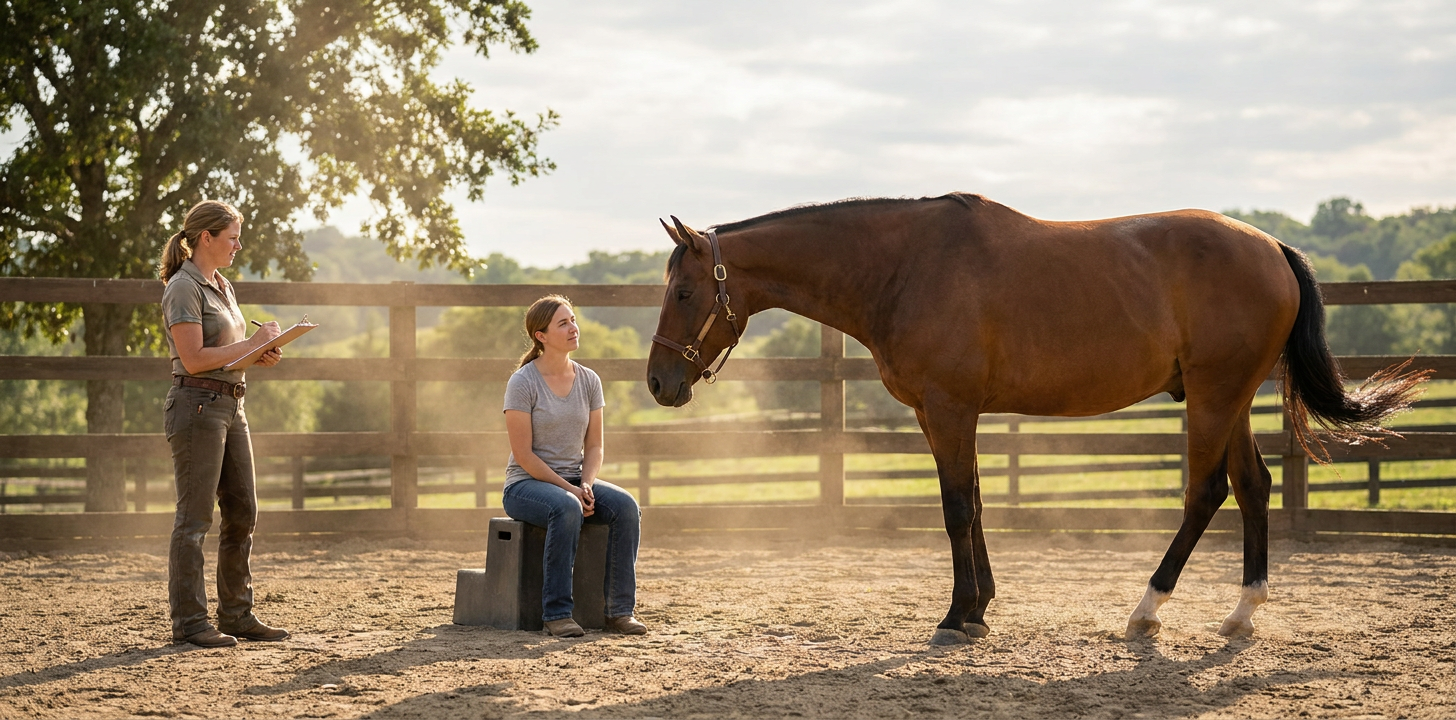
Essential Physical Indicators Therapists Must Monitor
When a client sits quietly beside a thousand-pound partner in therapy, every flicker of movement tells a story. The horse’s body becomes a living barometer of the session’s emotional temperature, offering therapists crucial insights that words alone cannot provide. Understanding these silent communications transforms good sessions into breakthrough moments, especially in the focused environment that equine therapy creates between horse and human.
In therapeutic settings, horses communicate constantly through subtle physical cues that trained professionals must learn to read like a detailed map. These indicators reveal not just the horse’s internal state, but often mirror the emotional energy of their human partner. The ability to interpret these signals accurately can mean the difference between a productive session and a missed opportunity for healing.
Head Position and Ear Movement Patterns
The horse’s head position serves as the primary indicator of attention and emotional state during therapeutic work. A relaxed head carriage at or slightly below the withers typically signals comfort and engagement. When horses lower their heads significantly while maintaining soft eyes, they’re often entering the calm, focused state ideal for therapeutic connection.
Ear positioning provides equally valuable information about the horse’s mental processing. Forward-pointing ears indicate active interest in the client, while ears that rotate independently suggest the horse is monitoring multiple environmental factors. Pinned ears signal distress or discomfort and require immediate attention from the therapy team.
During group sessions, therapists should watch for the horse’s head turning toward specific individuals. This natural selection process often reveals which clients the horse senses need the most support. The subtle head tilt that accompanies this attention suggests the horse is tuning into that person’s emotional frequency.
Eye Contact and Blinking Behaviors
The eyes reveal the horse’s emotional availability for therapeutic work. Soft, half-closed eyes with a relaxed lid indicate deep calm and readiness for connection. This state often coincides with the horse’s willingness to stand close to clients and accept physical contact.
Blinking patterns provide insight into the horse’s stress levels and processing state. Frequent, soft blinking suggests contentment and mental relaxation. Rapid blinking or wide-eyed alertness can indicate overstimulation or concern about the environment. Therapists working in various seasonal conditions must account for how lighting changes affect these visual cues.
Direct eye contact between horse and client creates powerful therapeutic moments. Horses that seek out gentle eye contact with their human partners demonstrate trust and emotional availability. However, intense staring can signal dominance or stress, requiring careful interpretation within the session’s context.
Tail Position and Movement Signals
Tail movement offers a clear window into the horse’s emotional state and comfort level. A relaxed tail that hangs naturally or swishes gently indicates contentment and ease. This baseline allows therapists to quickly identify changes that might signal shifts in the session’s dynamics.
Rapid tail swishing often indicates irritation, discomfort, or overstimulation. In therapeutic settings, this behavior frequently emerges when the horse senses tension or anxiety from their human partner. The tail becomes an early warning system that alerts therapists to address underlying issues before they escalate.
Tail positioning also reflects the horse’s level of alertness and engagement. A slightly raised tail suggests positive energy and interest, while a tail held high and rigid can indicate excitement or stress. Clamped tails signal fear or discomfort and require immediate assessment of the session’s direction.
Posture Changes Throughout the Session
The horse’s overall body posture tells the complete story of their therapeutic partnership. Horses that shift weight evenly between all four legs and maintain a balanced stance demonstrate comfort and stability. This physical grounding often mirrors the emotional grounding occurring in their human partners.
Hip positioning reveals the horse’s readiness to move or stay engaged. Horses that cock a hind leg while remaining alert show relaxed availability. However, horses that shift weight backward onto their hindquarters may be preparing to move away, signaling discomfort or overstimulation.
Shoulder and neck tension patterns indicate the horse’s emotional processing. Tight, raised shoulders suggest stress or defensive posturing, while relaxed shoulders that allow natural head movement show openness to connection. Therapists must monitor these changes continuously, as they often precede more obvious behavioral shifts.
The integration of these physical indicators creates a comprehensive picture of the therapeutic relationship’s progress. Successful sessions typically show horses moving from alert awareness to relaxed engagement as trust builds between partners. This physical transformation often parallels the emotional breakthroughs happening in their human companions.
Recognizing Stress and Anxiety in Working Horses
Early Warning Signs of Overstimulation
Horses experiencing overstimulation during therapeutic sessions show distinct behavioral patterns that therapists must recognize immediately. The most common early indicator is hypervigilance, where the horse’s ears become locked in a forward position, constantly scanning for perceived threats. Their breathing becomes shallow and rapid, often accompanied by visible tension around the nostrils.
Weight shifting from hoof to hoof signals internal stress building to problematic levels. This restless movement typically starts subtly but escalates quickly if the stressor isn’t addressed. Tail swishing that appears agitated rather than casual fly-deterring behavior indicates mounting frustration or anxiety in the working environment.
Environmental factors in Ridgecrest’s high desert climate can amplify these stress responses. Wind gusts that rustle equipment or sudden temperature changes during outdoor sessions often trigger hypervigilance in sensitive horses. Effective therapeutic partnerships require constant monitoring of these environmental triggers alongside the horse’s behavioral responses.
Head elevation beyond normal alert positioning serves as another critical warning sign. When horses repeatedly lift their heads high while scanning the horizon, they’re communicating discomfort with the current situation. This behavior often precedes more dramatic stress responses if intervention doesn’t occur promptly.
Displacement Behaviors During Client Interactions
Displacement behaviors emerge when horses feel conflicted between their training to remain calm and their instinctual stress responses. Lip licking appears frequently during tense moments, serving as a self-soothing mechanism when the horse feels uncertain about client behavior or energy.
Repetitive pawing at the ground indicates internal conflict between wanting to move away from stress and remaining in position for the therapeutic work. This behavior typically intensifies when clients display high emotional distress or erratic movements that trigger the horse’s flight response.
Yawning during sessions rarely indicates tiredness but instead signals stress relief attempts. Horses use this behavior to reset their nervous system when feeling overwhelmed by client emotions or environmental pressures. Multiple yawns within a short timeframe suggest the horse needs a break from intense therapeutic interaction.
Excessive grooming behaviors directed toward themselves or nearby objects reveal anxiety displacement. When horses begin rubbing against fence posts or repeatedly scratching themselves, they’re channeling nervous energy into familiar comfort behaviors. These actions help horses self-regulate during emotionally charged therapeutic moments.
Physical Tension Indicators in Neck and Back
Neck muscle tension manifests as visible hardening along the crest and sides of the neck. Therapists can assess this by observing how freely the horse moves their head during normal activities. Restricted range of motion or reluctance to lower the head for ground-level interactions indicates significant muscular tension.
Back tension appears as a rigid, table-like appearance rather than the natural curve healthy horses display. The muscles along the spine become visibly tight, creating a hollow appearance behind the withers. This physical response often develops gradually during sessions involving high client stress or prolonged emotional intensity.
Shortened stride length during movement activities signals backend tension affecting the horse’s comfort and willingness to engage. Horses naturally adjust their gait when back muscles tighten, creating choppy movements that experienced therapists recognize immediately.
Difficulty with lateral flexion becomes apparent when horses resist gentle requests to bend their necks side to side. This stiffness indicates cervical tension that compromises the horse’s ability to remain relaxed and responsive during therapeutic activities.
When to Pause or End a Session
Immediate session suspension becomes necessary when horses display multiple stress indicators simultaneously. The combination of rapid breathing, elevated head carriage, and displacement behaviors signals overwhelming stress that requires intervention. Continuing therapeutic work under these conditions compromises both horse welfare and treatment effectiveness.
Persistent resistance to basic handling requests indicates the horse has reached their emotional threshold. When horses begin backing away from familiar handlers or refusing simple tasks they normally accept willingly, the session needs immediate restructuring or conclusion.
Physical symptoms like excessive sweating in moderate temperatures or visible muscle trembling require immediate attention. These physiological responses indicate stress levels that pose potential safety risks for both horse and client participants in the therapeutic environment.
Successful therapeutic programs recognize that ending sessions early protects the long-term viability of the horse-human partnership. Rather than viewing early termination as failure, experienced therapists understand that respecting equine stress signals maintains trust and ensures continued therapeutic effectiveness in future sessions throughout Ridgecrest’s diverse client population.
Understanding Positive Engagement Signals
Signs of Relaxation and Comfort
A relaxed horse displays unmistakable physical cues that indicate therapeutic sessions are progressing effectively. The most reliable indicator is the horse’s breathing pattern, which should be slow, deep, and rhythmic rather than shallow or rapid. When horses feel genuinely comfortable, their nostrils remain soft and slightly open, without flaring or tension.
Head position reveals tremendous insight into a horse’s emotional state. Relaxed horses typically carry their heads at a natural height, neither rigidly elevated nor drooping low. Their ears demonstrate the classic “soft forward” position, gently angled toward the client or activity without rigidity. This ear positioning shows attentive presence without hypervigilance.
The jaw and mouth provide equally valuable information. Relaxed horses often exhibit gentle chewing motions, licking, or soft yawning, which indicate nervous system downregulation. These behaviors mirror the calming responses we seek in clients during equine therapy sessions.
Perhaps most telling is the horse’s eye expression. Soft, half-closed eyes with relaxed eyelids signal genuine comfort and trust. The horse’s gaze should appear peaceful rather than darting or wide-eyed. Many therapists in Ridgecrest have learned to read these subtle eye changes as reliable predictors of session success.
Active Participation Behaviors
Engaged horses demonstrate specific behaviors that indicate they’re actively participating in the therapeutic process rather than simply tolerating it. One primary indicator is voluntary movement toward the client or activity. When horses choose to step closer, maintain proximity, or follow the client’s lead without hesitation, they’re showing genuine engagement.
Mirroring behaviors represent another powerful sign of active participation. Horses naturally mirror the energy and emotional state of those around them. During successful sessions, you’ll notice horses matching the client’s breathing patterns, energy levels, or even walking pace. This synchronization often occurs unconsciously but demonstrates deep therapeutic connection.
Physical responsiveness to gentle cues indicates mental engagement. Horses that readily respond to light pressure, voice commands, or directional guidance without resistance are actively participating in the process. Their willingness to engage in grooming, leading exercises, or ground work shows they’ve moved beyond mere compliance to genuine cooperation.
Interactive behaviors like gentle nuzzling, seeking touch, or positioning themselves for contact demonstrate the horse’s desire to connect. These voluntary gestures often emerge after initial trust has been established and indicate the horse feels safe enough to initiate interaction. Such behaviors are particularly meaningful for clients working through trust issues or trauma recovery.
Healthy Curiosity Indicators
Curious horses exhibit alert but relaxed body language that signals mental engagement and confidence. Their ears move independently, swiveling to track sounds and activities while maintaining a forward orientation. This ear mobility shows the horse is processing their environment without anxiety or hypervigilance.
Investigative behaviors demonstrate healthy curiosity. Horses might gently explore new objects, sniff unfamiliar items, or show interest in different activities within the therapeutic space. These exploratory actions indicate cognitive engagement and emotional security. The research highlighted in our measuring success protocols shows that curious horses often facilitate breakthrough moments in client progress.
Balanced attention represents optimal curiosity. Horses should notice and acknowledge new stimuli without becoming fixated or overwhelmed. They might briefly investigate something novel, then return their attention to the therapeutic activity. This demonstrates emotional regulation and appropriate environmental awareness.
Social curiosity toward clients manifests as gentle approach behaviors, soft sniffing, or positioning themselves to observe activities. Horses naturally curious about human emotions often become exceptional therapeutic partners because they intuitively respond to client needs and emotional states.
Building Trust Through Reading Responses
Trust develops through consistent, appropriate responses to the horse’s communication signals. When therapists accurately read and respect a horse’s body language, they demonstrate reliability that builds confidence. This foundation becomes crucial for client-horse relationships, as horses who trust their human partners readily extend that trust to clients.
Gradual relaxation patterns indicate growing trust levels. Initially tense horses may slowly soften their posture, lower their heads, or release held tension in their muscles. These progressive changes often unfold over multiple sessions as the horse learns to associate the therapeutic environment with safety and positive experiences.
Recognition behaviors emerge as trust strengthens. Horses begin to acknowledge familiar therapists with soft nickers, approach voluntarily, or show excitement during arrival routines. These responses indicate the horse has formed positive associations with the therapeutic work and the people involved.
Trust manifests most powerfully in the horse’s willingness to remain calm during challenging moments. Horses who trust their handlers maintain composure when clients experience emotional breakthroughs, sudden movements, or unexpected behaviors. This steadiness creates the safe container necessary for deep therapeutic work, particularly with trauma survivors seeking healing through horse-human connections.
Safety Protocols Based on Horse Communication
Defensive Postures and Warning Signs
Recognizing defensive postures in horses requires immediate attention during therapeutic sessions. Pinned ears combined with a lowered head position indicates a horse preparing to defend itself, while a raised hind leg or switching tail signals increasing agitation. These warning signs typically escalate from subtle tension to more obvious displays within 15-30 seconds.
The classic defensive stance involves a horse shifting its weight to the hindquarters while keeping the head low and ears back. When you see a horse’s muscles tense along the neck and shoulders, particularly in combination with widened eyes showing white, it’s time to implement protective protocols. Horses displaying these behaviors during therapeutic riding sessions need immediate space and a reduction in stimulation.
Nostril flaring paired with rapid breathing often precedes more aggressive defensive behaviors. Staff members working with clients in Ridgecrest’s therapeutic programs must recognize that a horse backing away while keeping its body sideways to perceived threats represents the final warning before potential escalation. These moments require calm, deliberate responses rather than rushed interventions.
Managing Flight Response Triggers
The equine flight response can activate within milliseconds, making prevention far more effective than reaction. Environmental triggers like sudden movements, unexpected sounds, or unfamiliar objects often initiate this survival instinct. During equine therapy sessions, maintaining consistent positioning between the horse, client, and potential escape routes helps minimize triggering incidents.
Understanding trigger thresholds varies significantly between individual horses. Some animals react to rustling clothing or dropped equipment, while others remain calm during louder disturbances. Therapeutic staff must catalog each horse’s specific sensitivities and communicate these details during session handoffs. Creating buffer zones around working areas allows horses natural movement without feeling trapped.
Weather conditions in Ridgecrest can amplify flight responses, particularly during windy periods when normal sounds become unpredictable. Horses experiencing stress from environmental factors require modified session approaches, including reduced movement exercises and increased grounding activities. The key lies in recognizing pre-flight tension before it becomes unstoppable momentum.
Protecting Clients During Behavioral Changes
Client safety depends on swift repositioning when horses display behavioral changes during therapeutic work. The fundamental rule involves maintaining minimum six-foot distances when horses exhibit stress signals, creating protective barriers between clients and potential hazards. Therapists must position themselves strategically to guide clients away from danger zones without causing additional alarm.
Physical positioning protocols require clients to remain on the horse’s left side during ground activities, allowing quick movement to safety areas if needed. When horses show signs of discomfort or agitation, session leaders should immediately place themselves between the horse and client while maintaining calm verbal communication. These protective measures become second nature through consistent practice and clear emergency procedures.
Vulnerable clients, including children or individuals with mobility limitations, require enhanced protective strategies during sessions. Using lead ropes and maintaining constant physical contact with horses helps prevent sudden movements that could endanger participants. Equine therapy programs must establish clear evacuation routes and practice emergency scenarios regularly with all staff members.
Emergency Intervention Strategies
Emergency interventions during equine therapy sessions require immediate assessment and decisive action. The first priority involves removing clients from potential harm while avoiding actions that might escalate the horse’s stress level. Effective emergency protocols include predetermined hand signals for staff communication and designated safe zones within therapy areas.
De-escalation techniques focus on reducing stimulation rather than controlling the horse’s behavior. Speaking in low, steady tones while avoiding direct eye contact helps calm agitated animals. Removing other horses, equipment, or spectators from the immediate area often provides the space needed for emotional regulation. Emergency scenarios sometimes require completely stopping session activities until the horse returns to baseline behavior.
Documentation of emergency incidents serves critical purposes for future prevention and program improvement. Recording trigger events, behavioral escalation patterns, and intervention effectiveness helps refine safety protocols. Staff training in Ridgecrest’s programs includes regular emergency response drills, ensuring every team member can implement protective measures without hesitation when situations demand immediate action.
Adapting Sessions Based on Real-Time Feedback
Modifying Activities When Horses Show Resistance
When a horse displays resistance signals during therapeutic sessions, immediate adjustments prevent escalation and maintain safety for both client and animal. Resistance typically manifests as pinned ears, raised head, stepping backward, or tail swishing. These behaviors signal that the current activity is creating stress or discomfort.
The first step involves reducing pressure without completely abandoning the session. If a horse shows tension during grooming activities, shift to simple observation exercises where the client simply stands near the horse without physical contact. This allows both horse and participant to reset while maintaining therapeutic momentum.
For ground-based activities, create more distance between horse and client when resistance appears. Instead of having clients lead a horse directly, they can practice voice commands from several feet away. This modification often reveals whether the resistance stems from spatial pressure or activity-specific stress.
Sometimes resistance indicates the need for a different horse entirely. Experienced therapists keep multiple horses available and can seamlessly transition to a more suitable partner when initial matches prove challenging. This flexibility ensures sessions remain productive rather than becoming power struggles.
Reading Fatigue and Energy Levels
Horse fatigue manifests differently than resistance and requires distinct intervention strategies. A tired horse typically shows lowered head position, slower movements, and decreased responsiveness to cues. Unlike resistance behaviors, fatigue signals don’t involve agitation but rather withdrawal.
Energy assessment happens continuously throughout sessions. Fresh horses display alert ears, bright eyes, and responsive body language. As sessions progress, therapists monitor for subtle changes like delayed reactions to voice commands or decreased enthusiasm for treats.
When fatigue becomes apparent, shortening remaining activities prevents overworking the animal while maintaining session structure. A planned 45-minute session might conclude at 30 minutes if the horse shows clear tiredness. This decision protects the horse’s wellbeing and ensures quality experiences for future clients.
Weather conditions in Ridgecrest can significantly impact energy levels, particularly during summer heat or winter cold snaps. Adaptive session planning accounts for seasonal factors that influence horse stamina and comfort levels.
Adjusting for Individual Horse Personalities
Each horse brings distinct personality traits that influence therapeutic interactions. Some horses naturally gravitate toward quiet, gentle clients while others thrive with more energetic participants. Understanding these preferences allows therapists to make strategic pairing decisions.
Sensitive horses require softer approaches and longer warm-up periods. These animals often excel with clients dealing with trauma because their cautious nature mirrors the participant’s emotional state. However, they need careful handling to prevent overstimulation.
Confident, outgoing horses work well with clients who need encouragement to engage. These horses tolerate louder voices, sudden movements, and higher activity levels without becoming stressed. They’re particularly effective for veterans & ptsd programs where clients may initially struggle with emotional regulation.
Personality-based adjustments also involve modifying the physical environment. Anxious horses perform better in smaller, enclosed spaces while confident animals can handle larger arena settings. Some horses prefer working alone while others draw comfort from having other horses nearby.
Communicating Observations to Treatment Teams
Effective communication between equine specialists and broader treatment teams requires specific, behavioral language rather than general impressions. Instead of reporting that a horse seemed “off,” therapists document observable behaviors like “increased tail swishing during the final fifteen minutes” or “delayed response to verbal cues after client raised voice.”
Documentation should include both horse and client observations since their interactions create the therapeutic dynamic. Notes might record that a particular horse consistently calms down when working with trauma survivors, suggesting natural therapeutic aptitude for specific populations.
Regular team meetings allow therapists to share patterns they’ve observed across multiple sessions. A horse that shows fatigue consistently on certain days might need schedule adjustments, while behavioral changes could indicate health issues requiring veterinary attention.
This collaborative approach ensures that horse welfare remains central to program design. Treatment teams can adjust session frequency, duration, or intensity based on feedback from equine specialists who understand each animal’s limits and capabilities.
Clear communication protocols also help newer staff members learn to recognize important behavioral cues. Experienced therapists can share specific examples of how certain horses typically respond to different therapeutic activities, building institutional knowledge that improves program effectiveness over time.
Training Staff to Read Equine Responses
Essential Skills for New Therapeutic Staff
New staff members need foundational training in horse body language before working with clients. The most critical skill involves recognizing the difference between a relaxed horse and one showing early stress signals. A horse’s ear position tells an entire story – forward ears indicate interest and engagement, while pinned-back ears signal discomfort or potential aggression.
Staff must learn to read facial expressions, particularly around the eyes and muzzle. Soft, blinking eyes indicate relaxation, while hard stares or showing the whites of eyes suggest tension. The muzzle position matters too – a relaxed horse carries its head naturally, while a tense animal might clamp its mouth shut or show facial rigidity.
Body posture training forms the foundation of safety protocols. New staff learn to identify weight shifting, where horses prepare to move away or potentially strike. Understanding how equine therapy horses communicate through subtle movements prevents dangerous situations before they develop.
Teaching staff to recognize breathing patterns completes their basic skill set. Rapid, shallow breathing indicates stress, while slow, deep breathing shows contentment. These foundational observations create confident, observant team members who can maintain therapeutic environments.
Ongoing Education and Assessment Programs
Monthly training sessions keep staff skills sharp and introduce advanced body language concepts. These sessions cover seasonal changes in horse behavior, individual horse personalities, and how medications or health issues affect communication patterns. Regular practice with video analysis helps staff identify subtle signals they might miss during active sessions.
Quarterly assessments ensure staff maintain competency standards. These evaluations include practical demonstrations where staff must identify horse stress levels and appropriate interventions. Assessment criteria cover timing of observations, accuracy of interpretations, and proper documentation of behavioral changes.
Advanced workshops introduce specialized topics like reading horses during trauma-focused sessions. Some clients trigger different responses in horses, and staff need training to distinguish between normal therapeutic tension and concerning behavioral changes. Understanding how therapeutic programs affect both horses and clients creates more effective interventions.
Guest expert sessions bring in veterinary behaviorists and experienced equine specialists. These professionals share insights about complex behavioral patterns and help staff understand the neurological basis behind horse communication. Continued education ensures Ridgecrest’s therapeutic teams stay current with best practices.
Creating Consistent Observation Protocols
Standardized observation checklists ensure all staff members document the same behavioral indicators. These protocols include specific timeframes for observations – initial contact, mid-session assessments, and post-session evaluations. Consistency across staff members creates reliable data about horse welfare and session effectiveness.
Pre-session protocols require staff to evaluate each horse’s baseline behavior before clients arrive. This baseline includes energy levels, social interactions with other horses, response to grooming, and general demeanor. Establishing these baselines helps identify when sessions should be modified or postponed.
During-session protocols focus on real-time behavioral changes. Staff monitor for escalating stress signals, positive engagement indicators, and signs that horses need breaks. These protocols include specific intervention points where sessions must pause for horse welfare assessments.
Post-session protocols capture behavioral changes after client interactions end. Some horses show delayed stress responses, while others display increased relaxation. This comprehensive approach ensures horse wellbeing throughout the entire therapeutic process and informs future session planning.
Documentation Best Practices for Session Notes
Effective documentation uses objective language rather than subjective interpretations. Instead of writing “the horse seemed upset,” staff record specific observations like “ears pinned back for fifteen seconds, weight shifted to hindquarters, rapid tail swishing observed.” This precision helps identify patterns and triggers across multiple sessions.
Time-stamped entries track behavioral changes throughout sessions. Recording when specific behaviors occur helps correlate horse responses with particular therapeutic activities or client interactions. This detailed timing information proves invaluable for session planning and horse welfare monitoring.
Photographic documentation supplements written notes when appropriate. Pictures of ear positions, facial expressions, or body postures provide visual references for training purposes and help communicate concerns to veterinary professionals when needed.
Regular documentation reviews ensure staff maintain consistency and identify areas needing additional training. Monthly note reviews help supervisors spot patterns in individual horse behavior and staff observation skills. This systematic approach creates a culture of continuous improvement in horse body language interpretation.
Building expertise in reading horse body language transforms therapeutic sessions from reactive to proactive interventions. When staff members confidently interpret equine communication, they create safer, more effective healing environments for both horses and clients. Ready to develop these essential skills in your therapeutic program? Contact THOR Ridgecrest today to learn how proper training protocols can enhance your team’s success in equine-assisted therapy.
Related Posts
- Programs, People, and Purpose: How THOR Serves Ridgecrest with Horse-Powered Therapy
- Healing Through Hoofbeats: The Origins and Impact of THOR in Ridgecrest
- From Stall to Support: The Future of THOR and Its Role in Ridgecrest’s Evolving Care Landscape
- March Forward with Confidence Why Now is the Perfect Time to Start PTSD Treatment
- Indoor vs Outdoor Equine Sessions Adapting PTSD Therapy Programs for Every Season
- Creating Your PTSD Treatment Team How to Partner with Equine Therapy Specialists
- The Science Behind Horse Therapy What Clinic Directors Need to Know About Measuring Success
- Why March Weather Changes Can Trigger PTSD Symptoms and How Equine Therapy Helps
