Building Trust Between Horses and PTSD Patients Your Essential Guide to Safe Introductions
Understanding the Unique Needs of PTSD Patients in Equine Therapy
For many veterans and first responders dealing with ptsd, the thought of interacting with a 1,200-pound horse can feel overwhelming. Yet this same interaction often becomes the cornerstone of healing. The key lies in understanding how trauma affects these initial moments and creating a foundation of safety that allows genuine connection to flourish.
In Ridgecrest’s therapeutic community, we’ve learned that successful equine therapy isn’t about pushing through fear—it’s about honoring where each participant stands and building from there. The horses sense everything, from elevated heart rates to subtle changes in breathing patterns, making authentic preparation essential rather than optional.
How Trauma Affects Initial Animal Interactions
Trauma fundamentally changes how the nervous system processes new experiences, and horses represent a particularly complex challenge. Unlike predictable indoor environments, horses move independently, make unexpected sounds, and can trigger hypervigilance in ways that catch participants off guard. Research shows that PTSD affects the amygdala’s threat detection system, making it hypersensitive to potential dangers.
Veterans often describe feeling simultaneously drawn to and terrified of horses during first encounters. This isn’t weakness—it’s the natural result of a survival system that’s been activated by combat or traumatic experiences. The horse’s size, unpredictable movements, and powerful presence can mirror feelings from past threatening situations, even when the current environment is completely safe.
What makes this particularly challenging is that horses respond to human emotional states. When a participant feels anxious, the horse often becomes more alert or restless, potentially creating a feedback loop of increasing tension. Understanding this dynamic allows therapy teams to intervene early and redirect the interaction toward calmer patterns.
Recognizing Triggers and Warning Signs During Sessions
Physical warning signs often appear before verbal communication breaks down. Participants might exhibit shallow breathing, clenched fists, rigid posture, or stepping backward repeatedly. Some veterans report feeling “outside their body” or experiencing tunnel vision when triggered during initial horse encounters.
Emotional triggers can be less obvious but equally important. The smell of hay might remind someone of rural combat zones, while the horse’s breathing could echo memories of working animals in deployment areas. Even positive triggers—like the horse’s gentle nature reminding them of a beloved childhood pet—can overwhelm participants unprepared for such emotional responses.
Successful programs train staff to recognize micro-expressions and subtle behavioral changes that indicate escalating stress. The goal isn’t to eliminate all discomfort (growth requires some challenge) but to maintain what therapists call the “window of tolerance”—that zone where learning and healing can occur without overwhelming the nervous system.
Creating a Calm Mental Framework Before Meeting Horses
Preparation begins long before entering the arena. Effective therapeutic horsemanship programs often start with grounding exercises that help participants connect with their current environment rather than past experiences. Simple techniques like naming five things you can see, four you can touch, and three you can hear help anchor awareness in the present moment.
Breathing exercises specifically designed for trauma survivors focus on lengthening exhales rather than forcing deep inhales, which can sometimes increase anxiety. Teaching participants to soften their gaze and relax their jaw muscles prepares them for the non-verbal communication that horses naturally understand.
Setting realistic expectations proves crucial. Many participants arrive expecting dramatic breakthroughs or fearing complete failure. The reality of starting ptsd treatment involves smaller, incremental progress that builds genuine confidence over time.
The Science Behind Equine-Assisted Therapy for PTSD Recovery
Neuroscience research reveals why horses create such powerful therapeutic opportunities. The bilateral movement of walking alongside a horse activates both brain hemispheres similarly to EMDR therapy, helping process traumatic memories more effectively. The rhythmic nature of horse movement also stimulates the vagus nerve, promoting the parasympathetic nervous system’s calming response.
Horses operate primarily through non-verbal communication, which bypasses the analytical mind where many trauma survivors get stuck in endless loops of worry or hyperanalysis. This creates opportunities for what researchers call “felt sense” healing—recovery that happens through body awareness rather than cognitive processing alone.
The social bonding hormone oxytocin increases during positive human-animal interactions, counteracting the isolation and emotional numbing common in PTSD. When participants successfully connect with a horse, they’re literally rewiring their brain’s capacity for trust and social connection.
Selecting the Right Horses for PTSD Therapy Work
Temperament Traits That Make Ideal Therapy Horses
The foundation of successful equine-assisted therapy lies in selecting horses with naturally calm and patient temperaments. Ideal therapy horses demonstrate consistent emotional regulation, remaining composed even when participants experience sudden emotional outbursts or unexpected movements. These horses typically show minimal startle response to loud noises, sudden gestures, or the presence of mobility aids commonly used by veterans.
Look for horses that exhibit what professionals call “soft eyes” and relaxed facial expressions. These visual cues indicate an animal naturally inclined toward gentle interactions. The best candidates actively seek human connection without being pushy or demanding, creating space for participants to approach at their own pace. Many successful veterans & ptsd programs specifically choose horses that demonstrate curiosity about humans while maintaining respectful boundaries.
Ground manners play a crucial role in therapy work. Horses selected for PTSD therapy must walk calmly on lead ropes, stand quietly for extended periods, and respond consistently to basic commands. They should show patience during grooming activities, allowing participants to work through their own emotional processes without feeling rushed by an impatient animal.
Age and Experience Considerations for Therapeutic Work
Age brings wisdom in the equine world, and mature horses between 8 and 20 years old typically make the most reliable therapy partners. These horses have moved beyond the unpredictable energy of youth while still maintaining physical soundness for therapeutic activities. Their life experience helps them read human emotions more accurately and respond appropriately to different energy levels.
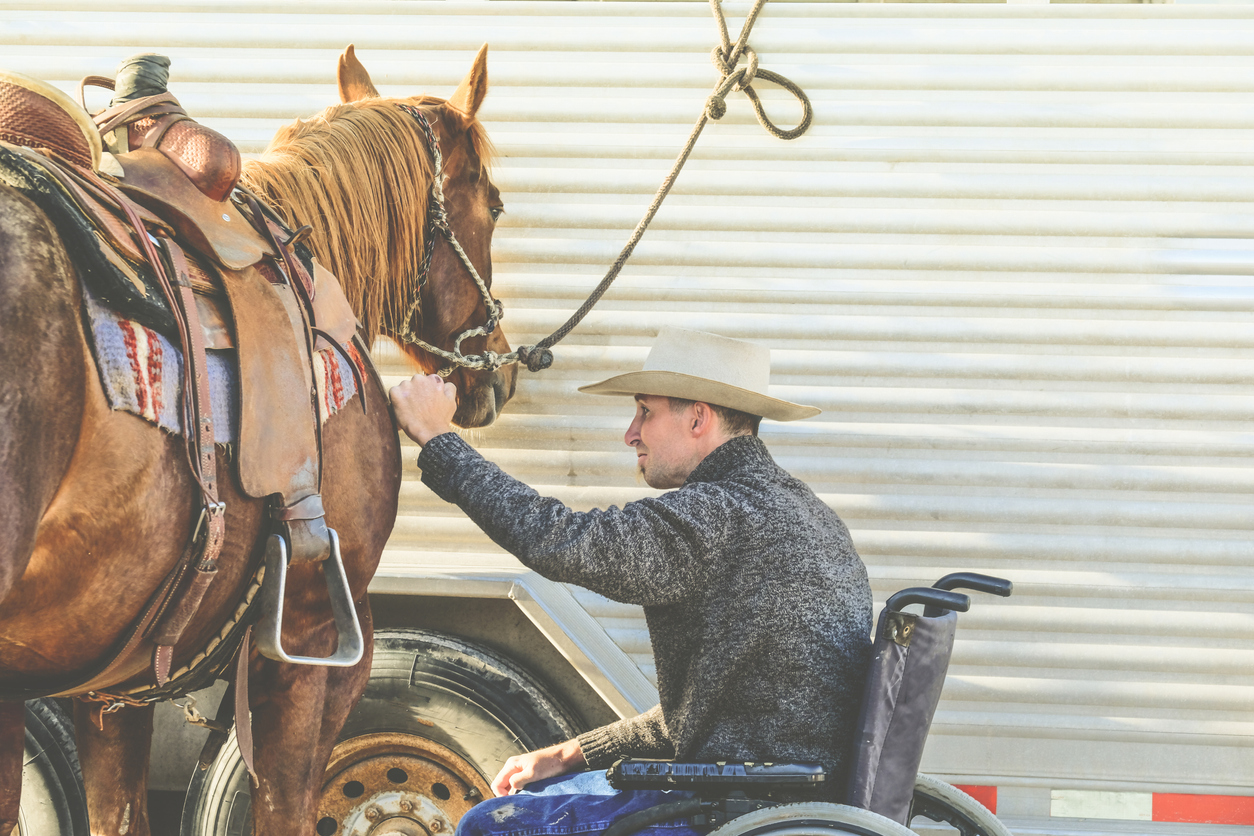
Previous exposure to diverse environments benefits therapy horses immensely. Horses that have worked in lesson programs, trail riding, or other public settings often adapt more quickly to the unique demands of mental health work. They’ve learned to remain calm around wheelchairs, crutches, and the sometimes erratic movements that accompany emotional processing.
However, age isn’t everything. Some younger horses with exceptional temperaments and proper training can excel in therapy roles. The key lies in evaluating each individual horse’s emotional maturity rather than relying solely on chronological age. Programs in Ridgecrest have found success with both seasoned horses and carefully selected younger candidates who demonstrate unusual emotional intelligence.
Evaluating a Horse’s Stress Response and Body Language
Understanding how a potential therapy horse handles stress reveals everything about their suitability for ptsd work. During evaluation, observe how horses react to unfamiliar situations, sudden changes in routine, and varying human emotional states. The ideal candidate maintains steady breathing patterns and relaxed body posture even when facing uncertainty.
Watch for subtle stress indicators that might escalate during therapy sessions. Excessive tail swishing, pinned ears, or tension around the eyes can signal a horse struggling to cope with environmental pressures. Conversely, horses that naturally lower their heads, soften their eyes, and use gentle body language when humans approach demonstrate the emotional regulation necessary for therapeutic work.
Pay particular attention to how horses recover from stressful moments. The best therapy candidates return to baseline emotional states quickly after experiencing something unsettling. This resilience proves crucial when working with participants who may have unpredictable emotional responses during their healing journey.
Training Requirements for Horses in Mental Health Settings
Specialized training transforms good-natured horses into effective therapy partners. Beyond basic ground manners, therapy horses need desensitization training for medical equipment, mobility aids, and the various sounds associated with emotional release. They must learn to stand quietly while participants cry, remain calm during intense conversations, and accept touch from individuals who may initially be hesitant or shaky.
Safety protocols form the cornerstone of therapy horse training. These animals learn specific positioning techniques that maintain safe distances while still allowing meaningful connection. They practice emergency procedures and develop responses to handler cues that prioritize participant safety above all else. Many horses in therapeutic horsemanship programs receive ongoing training throughout their careers to maintain these critical skills.
The training process typically takes 6-12 months, depending on the horse’s previous experience and natural aptitude. Successful candidates learn to work in various weather conditions, adapt to different seasonal routines, and maintain their therapeutic demeanor whether sessions occur indoors or outdoors. This versatility ensures consistent program delivery regardless of environmental changes that might otherwise disrupt sensitive participants’ progress.
Preparing the Environment for Safe First Encounters
Designing Calm and Controlled Meeting Spaces
The physical environment where veterans first encounter their therapy horses can make or break the entire therapeutic relationship. Think of this space as a foundation – everything else builds from here.
Indoor arenas offer the most controlled environment for initial introductions. These spaces eliminate weather variables and provide consistent lighting that won’t startle either horse or participant. The enclosed nature helps contain sound levels, preventing sudden noises from disrupting these crucial first moments. Many facilities in the Ridgecrest area have discovered that therapeutic riding sessions begin more successfully when conducted in familiar, predictable spaces.
Ground surface matters more than you might think. Firm, even footing reduces anxiety for participants who may already feel unsteady. Avoid loose sand or uneven terrain during first encounters. The goal is creating confidence, not adding another layer of uncertainty.
Lighting should be natural but not harsh. Fluorescent lights can create shadows that trigger hypervigilance in some participants. Large windows or skylights work best, providing gentle illumination without the flickering that might remind veterans of combat environments.
Managing External Stimuli and Potential Distractions
Veterans with PTSD often experience heightened sensitivity to environmental triggers. Managing these stimuli isn’t about creating a sterile bubble – it’s about thoughtful preparation.
Sound control requires strategic planning. Farm equipment, tractors, or sudden mechanical noises can trigger startle responses. Schedule initial sessions during quieter times of day when possible. Many successful programs have found that mid-morning sessions work well, after morning chores but before afternoon activity peaks.
Visual distractions need careful consideration too. Flapping tarps, sudden movements from other horses, or people walking by can pull attention away from the therapeutic moment. Position meeting areas away from high-traffic zones. Use solid barriers rather than rail fencing when possible to create visual boundaries.
Scent can be a powerful trigger – both positive and negative. Fresh hay and leather often create positive associations, while diesel fumes or certain cleaning chemicals might cause problems. Pay attention to what’s upwind of your meeting space.
Weather transitions require flexibility. Desert conditions in areas like Ridgecrest mean sudden temperature changes and wind can dramatically alter the environment. Have backup indoor options ready, because consistency matters more than sticking to original plans.
Essential Safety Equipment and Emergency Protocols
Safety equipment goes beyond standard horse handling gear when working with trauma survivors. Every piece serves a purpose in building confidence and maintaining security.
Lead ropes should be longer than standard – typically 12 to 15 feet – giving participants comfortable distance while maintaining control. Quick-release snaps are non-negotiable. Participants need to know they can step away immediately if needed.
Helmets should be available even for ground work. Some veterans feel more secure with head protection, and normalizing helmet use reduces any stigma around safety gear.
Emergency protocols must be crystal clear and practiced regularly. Every team member should know their role if a participant experiences a flashback or panic attack. This includes knowing when to remove the horse from the situation versus when to use the horse’s calming presence therapeutically.
Communication systems matter. Whether it’s hand signals, radios, or simple verbal cues, everyone involved needs to understand the communication plan. Consistency in commands helps both horses and participants feel secure.
First aid supplies should be easily accessible but not visually prominent. The goal is preparedness without creating anxiety about potential injuries.
Creating Escape Routes and Comfort Zones for Patients
Veterans need to feel they have options and control. Creating clear pathways and designated comfort zones addresses this fundamental need.
Physical escape routes should be obvious and unobstructed. Participants should never feel trapped or cornered. Position horses and handlers so there’s always a clear path to exit the space. This isn’t about expecting problems – it’s about providing psychological safety.
Designated comfort zones serve as reset points during sessions. These might be a bench positioned strategically, a quiet corner with a view of the horses, or even just a specific spot where participants can pause and regroup. Mark these zones subtly but clearly.
Transition spaces help participants mentally prepare for horse interaction. A viewing area where veterans can observe horses before direct contact often reduces initial anxiety. This gradual approach respects individual comfort levels and processing speeds.
Remember that comfort zones aren’t just physical – they’re emotional too. Establishing consistent routines, predictable progressions, and reliable support creates the psychological safety net that makes healing possible.
Step-by-Step Introduction Techniques That Build Confidence
The Gradual Exposure Method for Horse Introductions
The gradual exposure method forms the foundation of successful horse introductions for PTSD patients. This technique starts with visual contact from a safe distance, typically 20-30 feet away, allowing participants to observe the horse’s natural behavior without feeling pressured to interact.
During the first phase, patients remain outside the arena or pasture area, watching horses move freely while therapists explain basic horse behaviors. This observation period usually lasts 15-20 minutes and helps participants understand that horses are predictable creatures with clear body language cues.
The second phase involves entering the horse’s space while maintaining distance. Participants walk along the fence line or arena rail, staying approximately 10-15 feet from the horse. Many veterans find this structured approach reduces anxiety because they maintain control over their proximity to the animal.
Physical contact begins only when participants demonstrate comfort with close proximity. The initial touch involves placing a hand on the horse’s shoulder or neck area, avoiding the face and head regions that can trigger startle responses. Successful veterans & ptsd programs in our Ridgecrest community typically see participants ready for this stage after 2-3 sessions.
Reading Patient Body Language During Initial Contact
Therapists must continuously monitor both verbal and non-verbal cues during horse introductions. Rapid breathing, clenched fists, or backward-leaning posture often indicate rising anxiety levels that require immediate attention and intervention.
Facial expressions provide crucial information about a participant’s emotional state. Furrowed brows, tight jaw muscles, or wide eyes signal stress responses that horses can detect and potentially mirror. When these signs appear, skilled therapists pause the interaction and implement grounding techniques.
Positive body language indicators include relaxed shoulders, steady breathing patterns, and forward-leaning posture. Participants who begin speaking in softer tones or asking questions about the horse demonstrate readiness to progress to the next interaction level.
Voice tone changes often precede visible physical reactions. Veterans experiencing hypervigilance may speak in clipped, military-style commands or become unusually quiet. These vocal patterns help therapists gauge when participants need additional support or reassurance during the introduction process.
Guided Breathing and Grounding Exercises with Horses
Breathing exercises synchronized with the horse’s natural rhythm create powerful therapeutic moments. Horses breathe approximately 12-15 times per minute, which closely matches ideal human relaxation breathing rates. Participants learn to match this pace while standing near their equine partner.
The “5-4-3-2-1” grounding technique works exceptionally well in horse environments. Participants identify five things they can see (horse’s mane, arena walls, equipment), four things they can touch (fence rail, horse’s coat, their own hands), three sounds they hear (horse breathing, hoofbeats, wind), two scents they notice (hay, leather), and one thing they can taste.
Progressive muscle relaxation exercises gain enhanced effectiveness when performed alongside horses. Starting with toes and moving upward, participants tense and release muscle groups while observing the horse’s relaxed stance. This comparative awareness helps veterans recognize their own tension patterns.
Box breathing (4-4-4-4 pattern) combined with gentle horse grooming creates meditative experiences. The rhythmic brush strokes naturally align with controlled breathing, while the horse’s calm energy reinforces relaxation responses throughout the nervous system.
When to Pause, Retreat, or End a Session Early
Immediate session termination becomes necessary when participants exhibit panic attack symptoms, including chest tightness, dizziness, or uncontrollable shaking. Safety protocols require removing individuals from the horse area until symptoms subside completely.
Retreat signals include participants backing away from horses repeatedly, crossing arms defensively, or requesting to leave the arena. These behaviors indicate overwhelm rather than simple nervousness, requiring gentle guidance to a safe observation area.
Weather changes can trigger unexpected reactions in ptsd patients, particularly sudden wind gusts or temperature drops that remind veterans of deployment conditions. Sessions should pause when environmental factors create additional stress layers.
Horse behavior changes also dictate session modifications. If normally calm horses become restless or agitated, experienced therapists recognize that animals often mirror human emotional states. Ending sessions early prevents escalating anxiety cycles between horses and participants.
Successful pausing involves transitioning participants to quiet observation areas where they can process their experience without judgment. These breaks often provide valuable insights into triggers and coping strategies that inform future therapeutic approaches.
Building Long-Term Therapeutic Relationships
Establishing Consistent Routines and Boundaries
Horses thrive on predictability, and veterans dealing with PTSD often find comfort in structured environments. Creating consistent routines becomes the foundation for lasting therapeutic relationships that extend far beyond initial introductions.
Start each session the same way. Whether it’s greeting the horse at the gate, checking equipment together, or spending five minutes in quiet observation, these rituals signal safety to both participant and horse. One veteran in our Ridgecrest program described how his Tuesday morning routine with his assigned horse became “the most peaceful part of my week.”
Boundaries matter just as much as routines. Horses respect clear, consistent limits, and participants learn to communicate their own needs through this process. Setting boundaries around personal space, handling procedures, and interaction times creates a framework where trust can flourish without overwhelming either party.
The key lies in flexibility within structure. While maintaining core routines, allow natural variations based on weather, the horse’s mood, or the participant’s energy level. This teaches adaptability while preserving the safety of consistent expectations.
Tracking Progress and Celebrating Small Victories
Progress in equine therapy rarely follows a straight line. Some days bring breakthrough moments, while others require patience and gentle persistence. Documenting these ups and downs helps participants recognize patterns and celebrate achievements they might otherwise overlook.
Keep a simple session journal together. Note the horse’s responses, the participant’s comfort level, and any significant interactions. When a veteran who initially couldn’t touch a horse’s neck progresses to gentle grooming, that milestone deserves recognition. These documented victories become powerful reminders during challenging sessions.
Visual progress markers work exceptionally well. Take photos (with permission) of comfortable interactions, create skill checklists, or use simple rating systems for comfort levels. Many participants find these concrete measures helpful when ptsd symptoms make emotional progress harder to recognize.
Celebrate quietly but meaningfully. Horses sense genuine excitement and approval, often responding with increased cooperation and affection. A simple “look how calm Thunder is with you today” can reinforce positive experiences and build confidence for future sessions.
Transitioning from Ground Work to Advanced Interactions
Moving beyond basic ground interactions requires careful timing and individual assessment. Every participant progresses at their own pace, and pushing too quickly can damage the trust you’ve worked so hard to build.
Start with expanded ground activities before considering mounted work. Lead walking, obstacle courses, or liberty work in enclosed spaces allow participants to explore deeper connections while maintaining safety. These activities also provide valuable assessment opportunities for therapists to gauge readiness.
Advanced interactions might include grooming in different locations, working with the horse during feeding time, or participating in basic training exercises. Each step builds confidence while deepening the therapeutic relationship. Some veterans discover unexpected leadership skills when teaching their horse new ground behaviors.
Remember that “advanced” doesn’t necessarily mean riding. Some of the most profound therapeutic breakthroughs happen during quiet moments of connection, grooming sessions, or simply spending time together in the pasture. The goal is deepening trust and therapeutic benefit, not achieving specific equestrian milestones.
Involving Family Members in the Trust-Building Process
Family involvement can significantly enhance the therapeutic relationship, but it requires careful planning and clear boundaries. Not every participant wants family members present, and that choice must be respected throughout the process.
When families do participate, start with observation sessions. Let them witness the trust-building process without direct involvement. This helps family members understand the unique nature of equine therapy and their loved one’s progress. Many spouses report gaining new insights into their partner’s healing journey through these observations.
Structured family sessions work well for some participants. Perhaps a spouse joins for grooming activities, or children participate in simple ground exercises. These shared experiences often strengthen family bonds while supporting the primary therapeutic relationship between participant and horse.
Education becomes crucial for family involvement. Brief them on horse behavior, safety protocols, and the therapeutic process. Understanding why certain approaches work helps families support continued progress at home and reduces any unconscious pressure to “hurry up” the healing process.
Consider family members as part of the extended support team rather than direct participants in therapy sessions. Their role involves encouragement, understanding, and creating home environments that support the therapeutic work happening with horses.
Professional Guidelines and Safety Protocols
Certification Requirements for Equine-Assisted Therapists
Working with veterans experiencing PTSD requires specialized training beyond basic horsemanship skills. Professional certification through organizations like PATH International (Professional Association of Therapeutic Horsemanship) ensures therapists understand both equine behavior and trauma-informed care principles. These programs typically require 100+ hours of hands-on training, covering everything from horse selection criteria to crisis intervention techniques.
In California, additional state requirements may apply depending on your therapeutic approach. Mental health professionals seeking to incorporate therapeutic horsemanship into their practice need specific continuing education credits. Meanwhile, certified riding instructors must complete specialized coursework in disability services and psychological trauma response.
The investment in proper certification pays dividends in both safety and effectiveness. Certified therapists recognize subtle signs of participant overwhelm before they escalate, understand how medication side effects might affect balance or coordination, and can modify activities instantly when triggers arise. This expertise becomes particularly crucial when working with combat veterans whose trauma responses can be sudden and intense.
Legal Considerations and Liability Protection
Equine therapy programs face unique liability challenges that require comprehensive risk management strategies. Proper insurance coverage should include general liability, professional liability, and specific equine activity coverage. Many standard policies exclude horse-related activities, making specialized equine insurance essential for protecting both your program and participants.
California’s equine activity liability laws provide some protection, but they don’t eliminate the need for thorough documentation and safety protocols. Every participant must complete detailed medical questionnaires, acknowledge inherent risks, and provide emergency contact information. For veterans dealing with ptsd, additional considerations include medication disclosures and trigger identification.
Legal protection extends beyond insurance to operational practices. Regular safety inspections, equipment maintenance logs, and incident reporting create paper trails that demonstrate professional standards. Staff training documentation proves your team understands proper procedures, while participant assessment forms show individualized care planning. These records become invaluable if legal questions arise later.
Collaborating with Mental Health Professionals
Successful PTSD treatment through equine therapy requires seamless integration with existing mental health care teams. Regular communication with participants’ psychiatrists, psychologists, and social workers ensures therapeutic goals align across all treatment modalities. This collaboration helps identify potential medication interactions that might affect motor skills or emotional regulation during sessions.
Establishing formal referral relationships with local mental health providers strengthens your program’s credibility and effectiveness. Many therapists in the Ridgecrest area are discovering how equine experiences complement traditional talk therapy, particularly for veterans who struggle with verbal expression of trauma. Written treatment plans should specify how horse interactions support broader therapeutic objectives.
Professional boundaries become especially important in collaborative care. Equine specialists focus on facilitating human-horse interactions while mental health professionals handle psychological interpretation and crisis intervention. Clear role definitions prevent scope-of-practice violations and ensure participants receive appropriate care levels. Regular case conferences help all team members stay informed about participant progress and adjust approaches accordingly.
Documentation and Progress Monitoring Best Practices
Thorough documentation serves multiple purposes: tracking therapeutic progress, meeting insurance requirements, and protecting legal interests. Session notes should capture specific behaviors, emotional responses, and skill development without including diagnostic language outside your scope of practice. Focus on observable actions like “participant approached horse independently” rather than interpretive statements about mental state.
Standardized assessment tools help measure progress over time. Simple metrics like time spent with horses, comfort level ratings, or specific skill achievements provide concrete data for treatment teams. Photography and video documentation (with proper consent) can powerfully illustrate participant growth, though privacy considerations are paramount when working with veterans.
Progress monitoring extends beyond individual sessions to program-wide evaluation. Tracking retention rates, referral sources, and outcome measures helps demonstrate program effectiveness to funders and community partners. This data becomes especially valuable when seeking grants or expanding services to serve more veterans in need.
Professional equine therapy represents a powerful healing modality for veterans struggling with trauma, but success depends entirely on maintaining rigorous safety and professional standards. Whether you’re exploring veterans & ptsd options for yourself or a loved one, ensuring your chosen program follows these guidelines makes all the difference in achieving meaningful, lasting recovery through the remarkable bond between humans and horses.