
Geographic Risk Assessment for Ridgecrest Area Equine Therapy Operations
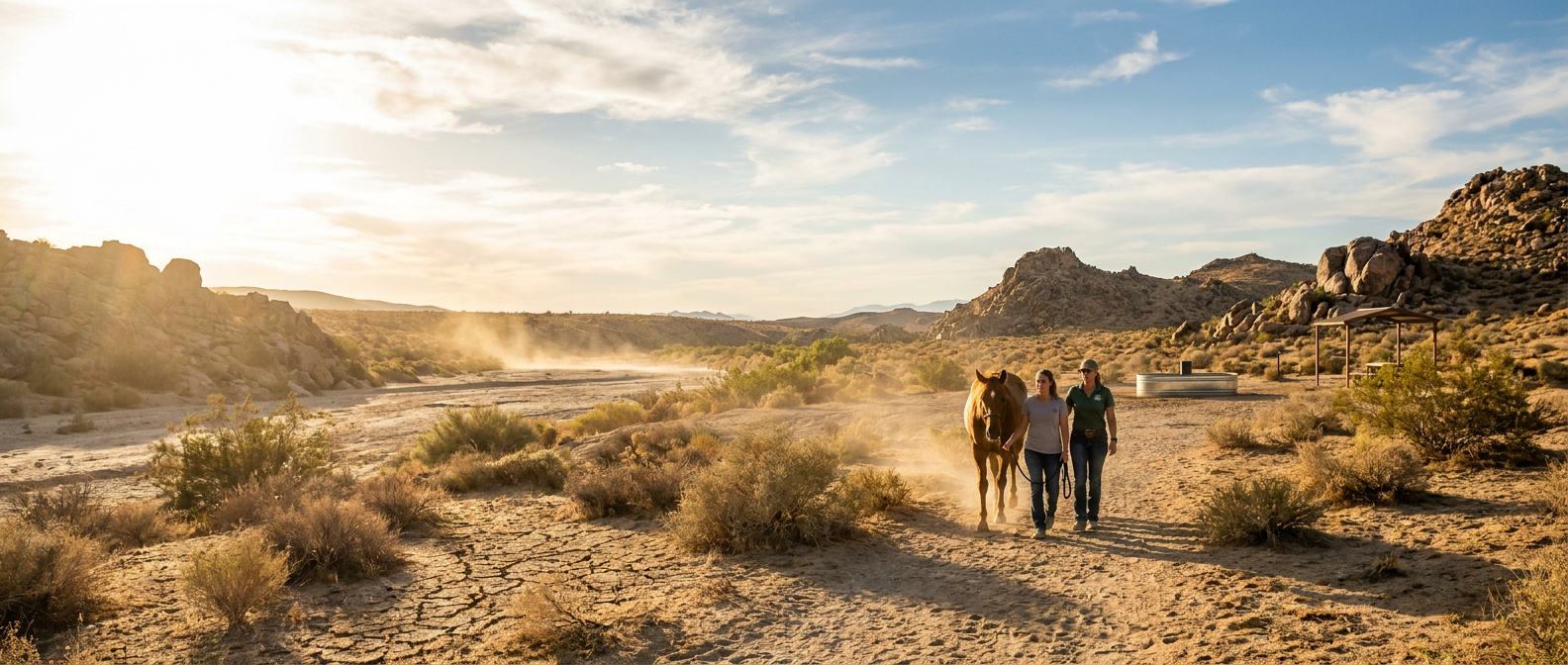
Understanding Environmental Risk Factors in Desert Climates
The Mojave Desert’s unforgiving climate presents unique challenges that can make or break therapeutic horse programs. While many equine therapy operations focus primarily on program development and client outcomes, the harsh realities of desert environmental conditions often catch facilities off guard, leading to costly insurance claims and operational shutdowns.
Desert climates create a perfect storm of risk factors that traditional risk assessment models simply don’t account for. Temperature swings that can exceed 50 degrees between day and night, extended drought periods, and relentless wind patterns all combine to create hazards that require specialized planning and coverage. Understanding these environmental factors isn’t just about protecting your horses and participants — it’s about ensuring your therapeutic programs can operate consistently year-round.
Extreme Temperature Fluctuations and Heat Stress Management
Ridgecrest’s desert location means dealing with temperature extremes that can reach 110°F in summer and drop to freezing in winter. These dramatic fluctuations create multiple risk scenarios that insurance companies are increasingly scrutinizing when writing policies for equine therapy operations.
Heat stress in horses becomes a liability issue when temperatures climb above 85°F, especially during therapeutic sessions. Horses working in these conditions can experience dehydration, heat exhaustion, and in severe cases, heat stroke. The liability exposure increases dramatically when participants are involved, as emergency situations require immediate response protocols that many facilities haven’t properly documented.
Cold weather presents different challenges but equal risks. Horses that aren’t properly acclimated to sudden temperature drops can develop respiratory issues, and frozen ground creates slip hazards during sessions. Insurance claims often spike during transition periods when facilities haven’t adjusted their protocols for changing conditions.
Smart operations implement temperature-based session modifications, including shortened session times during extreme heat, increased water availability, and climate-controlled recovery areas. These measures not only protect horses and participants but also demonstrate risk management practices that insurers value when determining premiums.
Seasonal Weather Patterns and Operational Planning
Desert seasonal patterns differ significantly from temperate climates, requiring specialized operational planning that many equine therapy programs overlook. Spring brings unpredictable weather shifts, summer delivers sustained heat stress periods, fall creates dust storm conditions, and winter introduces freezing risks.
The most overlooked risk factor is the spring weather volatility. March through May can see temperature swings of 40 degrees within a single day, combined with high winds and sudden precipitation. These conditions create perfect scenarios for horse behavioral changes and increased accident risks during therapeutic sessions.
Summer operations require complete schedule restructuring. Sessions must shift to early morning and late evening hours, which affects program capacity and revenue potential. Facilities that don’t plan for these operational changes often face insurance claims related to heat-related incidents or cancelled programs.
Winter planning involves more than just cold weather protocols. Desert winters bring unexpected challenges like flash freezing of water sources, equipment failures due to temperature cycling, and increased feed requirements for horses maintaining body temperature.
Drought Conditions and Water Resource Planning
Extended drought conditions in the Mojave Desert create cascading risks that many equine therapy operations don’t fully understand. Water scarcity affects everything from basic horse care to dust management, creating liability exposures that standard insurance policies often don’t adequately cover.
Horses require 5-10 gallons of water daily, and therapeutic horses working in hot conditions need even more. During drought periods, water restrictions can force difficult decisions about program operations. Insurance companies are increasingly asking about water source reliability and backup systems when assessing risk profiles.
Drought conditions also affect pasture quality and feed availability, forcing reliance on imported hay and supplements. These cost increases strain program budgets, but more importantly, dietary changes can affect horse temperament and behavior during therapeutic sessions.
Water resource planning should include backup sources, storage capacity for at least seven days of operation, and documented protocols for drought-related session modifications. These preparations demonstrate operational maturity that insurers recognize when calculating premiums.
Wind Exposure and Dust Management Protocols
Desert winds present unique challenges that differentiate Ridgecrest operations from facilities in more temperate climates. Sustained winds above 25 mph create safety hazards for both horses and participants, while dust storms can shut down operations entirely.
Wind-related incidents often involve equipment failure, flying debris, or spooked horses reacting to sudden gusts. The combination of wind and dust creates respiratory hazards that require specific protocols for both human and equine participants. These conditions are particularly challenging for therapeutic programs serving participants with existing respiratory conditions.
Effective dust management requires investment in windbreaks, regular arena maintenance, and air quality monitoring equipment. Operations that can demonstrate comprehensive wind and dust protocols typically receive more favorable insurance terms, as they show understanding of their unique environmental challenges and commitment to participant safety.
Seismic Activity Considerations for Facility Operations
Structural Safety Assessment for Stables and Arenas
Ridgecrest’s position within the Eastern California Shear Zone puts unique structural demands on equine therapy facilities. The region experiences frequent small to moderate earthquakes, with occasional larger events that can compromise building integrity. Horse barns and indoor arenas require specialized seismic retrofitting beyond standard commercial construction codes.
Pre-fabricated metal buildings, common in equine facilities, need additional bracing systems and flexible joint connections to withstand lateral forces. Concrete block construction should include reinforced steel rebar and proper foundation anchoring. The key issue isn’t necessarily major structural collapse (though that’s obviously critical), but rather the smaller damage that creates hazards during therapy sessions.
Overhead lighting fixtures pose particular risks in arenas where clients work closely with horses. Standard suspended lighting can become dangerous projectiles during even minor shaking. LED strip lighting mounted flush to ceiling structures provides better illumination without the seismic risk. Similarly, loose materials on shelves or wall-mounted equipment need secure fastening systems.
Regular structural inspections should focus on foundation settling, wall cracks, and door frame alignment. These seemingly minor issues can become major problems when you’re trying to evacuate horses quickly. Insurance companies increasingly require documented structural assessments for facilities in seismically active areas like Ridgecrest.
Emergency Response Protocols During Seismic Events
The unpredictable nature of earthquakes means therapy sessions can be interrupted without warning. Unlike other emergency scenarios, seismic events don’t allow for gradual preparation or early warning systems. Your protocol needs to account for the immediate confusion and panic that affects both horses and human participants.
During active shaking, the priority shifts from evacuation to protective positioning. Horses naturally seek shelter against walls or under overhangs, which can actually increase injury risk from falling objects. Training staff to guide horses to predetermined safe zones within structures becomes crucial. These zones should be away from windows, overhead fixtures, and storage areas.
Communication systems need redundancy since cell towers and landlines often fail during significant seismic events. Two-way radios with backup power sources ensure coordination between staff members across different areas of the facility. The protocol should designate specific staff members to account for each therapy participant and horse, preventing the chaos that often follows sudden emergencies.
Documentation requirements become especially important after seismic events. Insurance claims frequently hinge on detailed incident reports, and the immediate aftermath of an earthquake isn’t when you want to be figuring out your paperwork requirements. Pre-printed emergency forms with basic information already filled in can save crucial time.
Equipment Securing and Storage Safety Measures
Therapeutic equipment presents unique challenges during seismic events because it’s designed for mobility and flexibility, not earthquake resistance. Mounting systems for specialized therapy equipment need to balance accessibility for daily use with security during unexpected shaking. Traditional storage solutions often fail these dual requirements.
Heavy equipment like mechanical horse simulators or hydraulic mounting blocks require permanent anchoring systems. But lighter therapeutic tools need portable securing solutions that don’t interfere with normal operations. Cabinet latches and drawer slides designed for RV use often work well in equine therapy settings, providing security without permanent installation.
Feed storage becomes a safety issue beyond just spilled grain. Large feed containers can shift and block exits or crush personnel during seismic activity. Smaller, distributed storage reduces these risks while also limiting contamination if containers are breached. The approach used in specialized therapy programs often emphasizes flexibility in equipment placement for exactly these reasons.
Chemical storage for cleaning supplies and medications requires special attention in seismically active areas. Mixed chemicals from damaged containers create toxic hazards that complicate emergency response. Separate storage areas with secondary containment prevent dangerous combinations while keeping essential supplies accessible.
Client and Horse Evacuation Procedures
Evacuating horses during seismic emergencies requires different strategies than other emergency scenarios. Horses may refuse to move through doorways during aftershocks, or conversely, may panic and attempt to run through inappropriate exits. Standard evacuation routes might be blocked by debris or structural damage.
Alternative exit strategies need pre-planning and regular practice. This includes identifying which fences can be safely removed for emergency access and ensuring gate hardware can be operated quickly under stress. Some facilities maintain emergency halters and lead ropes at multiple locations rather than centralizing tack storage.
Client evacuation procedures must account for individuals with mobility limitations or PTSD triggers related to sudden loud noises or chaotic situations. The therapeutic nature of these programs means participants may have specific needs that complicate standard emergency procedures. Staff training should address these considerations through realistic drill scenarios.
Post-evacuation assembly areas need to be located away from structures but still provide some shelter and security for both horses and humans. The developing infrastructure increasingly incorporates these multi-use safe zones into facility design from the beginning.
Terrain and Accessibility Challenges
Trail Safety Assessment and Maintenance Requirements
Ridgecrest’s desert terrain creates unique challenges for equine therapy operations that extend far beyond typical urban facilities. The rocky, uneven ground common throughout the area requires specialized trail design and ongoing maintenance protocols that many standard horse therapy insurance policies don’t adequately address.
The high desert environment means dealing with loose shale, sudden elevation changes, and seasonal erosion patterns that can transform safe pathways into liability hazards overnight. Trail surfaces need regular inspection for loose rocks, washout areas, and unstable footing that could cause horses to stumble or riders to lose balance. Insurance carriers are increasingly requiring documented trail maintenance schedules, with some demanding weekly inspections during peak therapy seasons.
Weather-related deterioration happens faster here than in more temperate climates. Summer heat causes ground cracking, while winter freezes can shift rocks and create hidden soft spots. The spring melt from nearby Sierra Nevada runoff often creates unexpected drainage issues that weren’t present during initial facility planning. These conditions require specialized equipment maintenance schedules and trail repair budgets that traditional coverage might not recognize as necessary operational expenses.
Emergency Vehicle Access and Response Times
Ridgecrest’s geographic isolation creates critical timing issues that directly impact insurance risk calculations and premium structures. With the nearest trauma center over 90 minutes away, equine therapy programs must plan for extended emergency response scenarios that urban facilities never face.
Many therapy operations in the area are located on properties accessed through narrow dirt roads or gated communities that limit ambulance access. Insurance companies are now requiring detailed emergency access plans that include alternative evacuation routes, helicopter landing zone designations, and relationships with local emergency medical services. The reality is that standard “golden hour” emergency response protocols don’t apply here, which changes how insurers evaluate participant injury risks.
Local fire departments and EMT services are staffed differently than urban areas, often relying on volunteer responders who might not be immediately available during weekday therapy sessions. This geographic reality means therapy programs need more comprehensive on-site medical equipment and staff training than their counterparts in metropolitan areas. Insurance policies are starting to reflect these requirements with mandatory first aid certifications and automated external defibrillator (AED) equipment clauses.
Seasonal Road Conditions and Client Transportation
The high desert’s extreme seasonal variations create transportation challenges that directly affect client safety and program liability. Winter storms can make rural roads impassable for standard vehicles, while summer heat creates tire blowout risks on long stretches of isolated highway leading to therapy facilities.
Flash flooding during monsoon season turns normally dry washes into dangerous barriers between clients and therapy locations. Insurance companies are requiring detailed weather contingency plans that address client transportation safety, including policies for session cancellations and alternative indoor programming when outdoor access becomes hazardous.
Many clients traveling to Ridgecrest-area facilities are unfamiliar with desert driving conditions, creating additional risk factors that urban therapy programs don’t encounter. The combination of high winds, blowing sand, and sudden weather changes can catch visitors off guard, potentially creating liability situations before clients even reach the facility. Progressive insurance policies now include provisions for client transportation education and weather monitoring requirements.
Property Grading and Drainage Considerations
Desert soil composition creates unique drainage and stability challenges that standard property insurance doesn’t typically address. The hard-packed caliche common in the Ridgecrest area can channel water in unexpected directions during rare but intense rainfall events, potentially flooding areas that appear safe during site planning.
Proper grading for therapeutic horse facilities requires understanding how desert soil behaves differently than agricultural land in other regions. The lack of natural absorption means surface water moves fast and accumulates in low-lying areas where therapy activities might take place. Insurance adjusters are increasingly requiring soil composition reports and engineered drainage plans for new facilities or program expansions.
Property improvements like arena construction, barn placement, and parking area development must account for the unique challenges of building on desert hardpan. Standard construction techniques often prove inadequate, leading to settling, cracking, and water retention issues that create ongoing liability risks. Modern insurance policies are beginning to include specific requirements for desert construction standards and ongoing property stability monitoring.
Wildlife and Predator Risk Management
Large Predator Deterrence and Detection Systems
The Ridgecrest area presents unique challenges with mountain lions, coyotes, and occasional black bears creating real threats to both horses and participants in therapeutic programs. Unlike urban facilities, desert operations require comprehensive predator management systems that go beyond basic fencing.
Motion-activated lighting systems prove most effective when positioned at 50-foot intervals around therapy areas and horse paddocks. These high-intensity LED units create overlapping coverage zones that eliminate dark corridors predators typically use for approach routes. The sudden illumination startles most wildlife while providing immediate visibility for staff response.
Trail cameras positioned at water sources and natural wildlife corridors help facilities track predator movement patterns throughout the seasons. Spring and summer months show increased mountain lion activity near the Sierra Nevada foothills, while winter brings coyote packs closer to populated areas seeking food sources.
Professional-grade alarm systems designed specifically for livestock operations include ground sensors that detect approaching animals based on weight and movement patterns. These systems distinguish between domestic animals and potential threats, reducing false alarms while maintaining 24/7 monitoring capabilities.
Venomous Species Awareness and First Aid Protocols
Desert environments around Ridgecrest harbor several venomous species that pose immediate risks to therapy participants and horses during outdoor sessions. Rattlesnakes remain active from March through November, with peak activity occurring during dawn and dusk hours when many therapeutic programs schedule their sessions.
Staff training protocols must include identification of Mojave rattlesnakes, sidewinders, and occasional coral snakes found in the region. Each species requires different approach strategies and first aid responses. Mojave rattlesnakes, particularly dangerous due to their neurotoxic venom, often shelter under equipment sheds and feed storage areas during hot afternoons.
First aid stations positioned at 200-yard intervals throughout therapy areas should stock compression bandages, ice packs, and emergency communication devices with direct lines to local emergency services. The nearest hospital’s antivenom protocols and availability require regular verification, as rural facilities often face longer transport times during medical emergencies.
Facility modifications include elevated walkways in high-risk areas and regular clearing of brush piles where snakes commonly shelter. Weekly perimeter walks during peak activity seasons help identify new den sites and potential encounter zones before they become problems during therapy sessions.
Nocturnal Wildlife Activity and Facility Security
Ridgecrest’s desert location creates unique security challenges as nocturnal wildlife activity peaks during overnight hours when facilities typically operate with minimal staffing. Coyote packs, feral dogs, and occasional mountain lions view horse facilities as food sources, particularly during drought years when natural prey becomes scarce.
Security systems must account for the difference between nuisance animals and genuine threats to horses and equipment. Raccoons and skunks regularly attempt to access feed storage areas, while larger predators pose direct dangers to animals and create liability issues for therapeutic programs.
Automated feeding systems reduce the need for staff presence during vulnerable twilight hours while eliminating food attractants that draw wildlife to therapy areas. These systems also maintain consistent feeding schedules that help horses remain calm during periods of increased predator activity.
Perimeter fencing requires specific design considerations for desert conditions, including buried sections to prevent digging and height specifications that account for the jumping abilities of local wildlife species. Standard livestock fencing proves inadequate against determined predators, particularly during seasons when natural food sources become limited.
Habitat Modification for Risk Reduction
Strategic landscape management around equine therapy facilities significantly reduces wildlife encounter risks while maintaining the natural desert environment that benefits therapeutic programs. Removing dense brush within 100 feet of therapy areas eliminates cover that predators use for stalking approaches.
Water source management proves critical in desert environments where artificial irrigation and water features attract both beneficial and dangerous wildlife. Controlled access points and timing systems reduce the likelihood of predator encounters while ensuring adequate water availability for therapeutic horses and drought-resistant landscaping.
Native plant selection focuses on species that provide natural barriers without creating attractive habitat for dangerous wildlife. Certain desert plants naturally repel snakes through root chemistry, while others provide visual barriers that help staff monitor approaching animals from greater distances.
Seasonal habitat modifications account for changing wildlife behavior patterns throughout the year. Winter modifications focus on reducing shelter opportunities near facilities, while summer changes emphasize shade management that doesn’t create hiding spots for venomous species during the hottest months when both horses and wildlife seek cooler areas.
Insurance and Liability Considerations
Geographic Risk Factors in Insurance Underwriting
Insurance companies approach Ridgecrest’s unique geographic profile with heightened scrutiny when underwriting equine therapy operations. The Mojave Desert location brings specific risk factors that directly impact premium calculations and coverage availability. Insurers typically flag the region’s seismic activity, with proximity to fault lines creating elevated liability concerns for both equine and human safety during outdoor therapeutic sessions.
Wind patterns characteristic of desert environments pose additional challenges that underwriters carefully evaluate. Strong gusts can spook horses unexpectedly, creating injury risks that might seem minimal in more sheltered locations. Insurance companies often require detailed facility assessments, including windbreak installations and shelter availability, before approving comprehensive coverage for therapeutic programs.
Temperature extremes common to the high desert also influence risk calculations. Insurers understand that heat-related incidents affect both horses and participants, potentially leading to medical claims that might not occur in more temperate climates. This geographic reality often results in seasonal coverage adjustments or requirements for specific safety protocols during extreme weather periods.
Natural Disaster Coverage and Business Continuity
Earthquake coverage represents a critical component for Ridgecrest-area equine facilities, given the region’s proximity to major fault systems. Standard property policies typically exclude seismic events, requiring separate earthquake insurance that can significantly impact operational budgets. Many therapeutic programs discover this gap only when seeking comprehensive coverage for their specialized facilities and equipment.
Wildfire risk creates another layer of complexity for business continuity planning. Desert vegetation and seasonal wind conditions can rapidly transform minor incidents into major threats. Insurance companies increasingly require detailed evacuation plans for horses and documentation of alternative program locations. Some insurers mandate specific defensible space requirements that exceed local fire department recommendations.
Flash flood potential, though less obvious in desert environments, still factors into underwriting decisions. Seasonal precipitation can create dangerous conditions quickly, particularly in areas with limited drainage infrastructure. Insurers often require elevation certificates and flood zone documentation, even for facilities that appear well above typical flood plains.
Client Safety Waivers and Risk Disclosure Requirements
California’s strict liability standards create unique challenges for therapeutic programs, particularly those serving vulnerable populations. Risk disclosure requirements extend beyond standard recreational riding waivers, demanding clear communication about environmental hazards specific to desert operations. Programs working with veterans & ptsd face additional complexity when participants may have cognitive or emotional factors affecting their ability to fully comprehend risk disclosures.
Insurance companies increasingly scrutinize waiver language, requiring specific mentions of geographic hazards like extreme temperatures, wildlife encounters, and seismic activity. Generic waiver forms often prove inadequate for comprehensive coverage, necessitating legal review of all participant agreements. Many insurers now mandate quarterly waiver updates to address seasonal risk variations common in desert environments.
Documentation requirements for minors or participants with disabilities create additional administrative burdens. California law demands specific procedures for informed consent, and insurers often require proof of legal guardian involvement and medical clearance procedures that exceed standard recreational requirements.
Professional Liability in High-Risk Environments
Professional liability coverage becomes more complex when therapeutic programs operate in challenging geographic conditions. Insurers evaluate practitioner training specific to desert environments, including heat stress recognition, wildlife awareness, and emergency response procedures. Standard equine therapy certifications might not address geographic-specific risks that Ridgecrest operations face daily.
Telehealth integration, increasingly common in rural therapeutic programs, creates additional liability considerations. When programs use remote consultation or monitoring, insurers must evaluate technology failures that could compromise participant safety. This becomes particularly relevant for programs maintaining affiliations & partners with distant medical facilities or specialists.
Emergency response capabilities receive heightened scrutiny in remote locations. Insurers often require detailed response time documentation from local emergency services and may mandate on-site medical personnel for certain program types. Professional liability policies frequently include geographic limitations that can affect coverage during off-site activities or mobile program delivery.
Continuing education requirements often include geographic-specific training components that urban programs don’t face. Insurers may mandate desert safety certifications, wildlife encounter protocols, and extreme weather response training as conditions of coverage, creating ongoing professional development costs that impact overall program sustainability.
Emergency Preparedness and Response Planning
Multi-Hazard Emergency Response Protocols
The Mojave Desert’s unique risk profile requires equine therapy operations to prepare for multiple simultaneous hazards. Ridgecrest facilities need protocols that address earthquake response during wildfire season, handling power outages while managing anxious horses, and coordinating evacuation procedures when ground transportation might be compromised.
Your emergency response framework should identify primary and secondary threats for each season. During summer months, facilities face the dual challenge of extreme heat and increased wildfire risk, while winter operations must account for flash flooding in desert washes combined with potential seismic activity. Each scenario requires specific horse handling procedures, client safety measures, and staff response protocols that can be implemented within minutes.
Consider the cascading effects of emergencies on therapeutic sessions. When the 2019 Ridgecrest earthquakes struck, many facilities discovered their emergency plans didn’t account for how horses would react to aftershocks during therapy sessions. Your protocols should include immediate session termination procedures, safe space identification for both horses and participants, and clear communication chains for notifying families about session cancellations or facility closures.
Communication Systems and Backup Power Solutions
Rural connectivity challenges around Ridgecrest mean standard communication systems often fail when you need them most. Desert facilities require redundant communication networks that function during power outages, cell tower failures, and internet service disruptions. Many successful programs maintain satellite communication devices specifically for emergency coordination with local emergency services.
Power infrastructure in remote desert locations is particularly vulnerable to both natural disasters and equipment failures. Your facility needs backup power solutions that can maintain essential systems for at least 72 hours. This includes ventilation for enclosed spaces, water pumps for horse care, and refrigeration for medications. Solar power systems with battery storage often provide the most reliable backup power in desert environments, though initial investment costs should be factored into your insurance and operational planning.
Communication protocols must address how you’ll reach participants’ families during emergencies, coordinate with emergency responders who might not be familiar with equine facility layouts, and maintain contact with off-site veterinary services. Radio systems often prove more reliable than cellular networks during widespread emergencies, particularly when coordinating with local emergency management agencies.
Veterinary Emergency Access and Contingency Plans
Geographic isolation significantly impacts veterinary emergency response times around Ridgecrest. The nearest equine veterinary services might be hours away during normal conditions, and emergency situations often compound access challenges. Your contingency planning should identify multiple veterinary contacts, including large animal emergency services in Bakersfield and specialized equine hospitals in the Central Valley.
Desert facilities must maintain higher levels of on-site medical supplies and staff training in basic veterinary first aid. This includes supplies for treating heat stress, wound care for cuts from desert vegetation, and medications for colic or other digestive issues that horses commonly experience during stressful situations. Staff certification in equine first aid becomes essential rather than optional in geographically isolated locations.
Transportation logistics for injured horses present unique challenges in desert terrain. Your emergency plans should identify multiple evacuation routes, account for seasonal road closures, and establish relationships with large animal transport services. Some facilities maintain agreements with local ranchers who can provide temporary horse housing during facility evacuations or extended power outages.
Staff Training and Regular Drill Implementation
Emergency preparedness training for equine therapy staff requires specialized skills that combine human crisis response with large animal management. Staff must be trained to handle panicked horses while maintaining participant safety, execute evacuation procedures with mobility-impaired clients, and make rapid decisions about session continuation during developing emergency situations.
Regular drill implementation should simulate realistic desert emergency scenarios. This includes practicing evacuation procedures during dust storms with limited visibility, managing horses during aftershock sequences, and coordinating emergency response when communication systems are compromised. Quarterly drills help staff maintain proficiency and identify gaps in emergency procedures.
Cross-training ensures your facility maintains emergency response capabilities even when key staff members are unavailable. Every staff member should understand basic emergency procedures, horse handling protocols, and communication systems. This redundancy becomes critical in rural areas where backup personnel might not be readily available during emergencies.
The investment in comprehensive emergency preparedness pays dividends in reduced insurance premiums, enhanced participant safety, and operational continuity. Insurance providers increasingly recognize well-prepared facilities as lower-risk operations, often resulting in more favorable policy terms and premium structures. Contact THOR Ridgecrest today to discuss how proper emergency planning can strengthen both your operational resilience and insurance coverage options in the unique high desert environment.
Related Posts
