Small Things That Make Huge Differences in Therapeutic Riding Sessions
Setting the Stage: Environmental Details That Transform Sessions
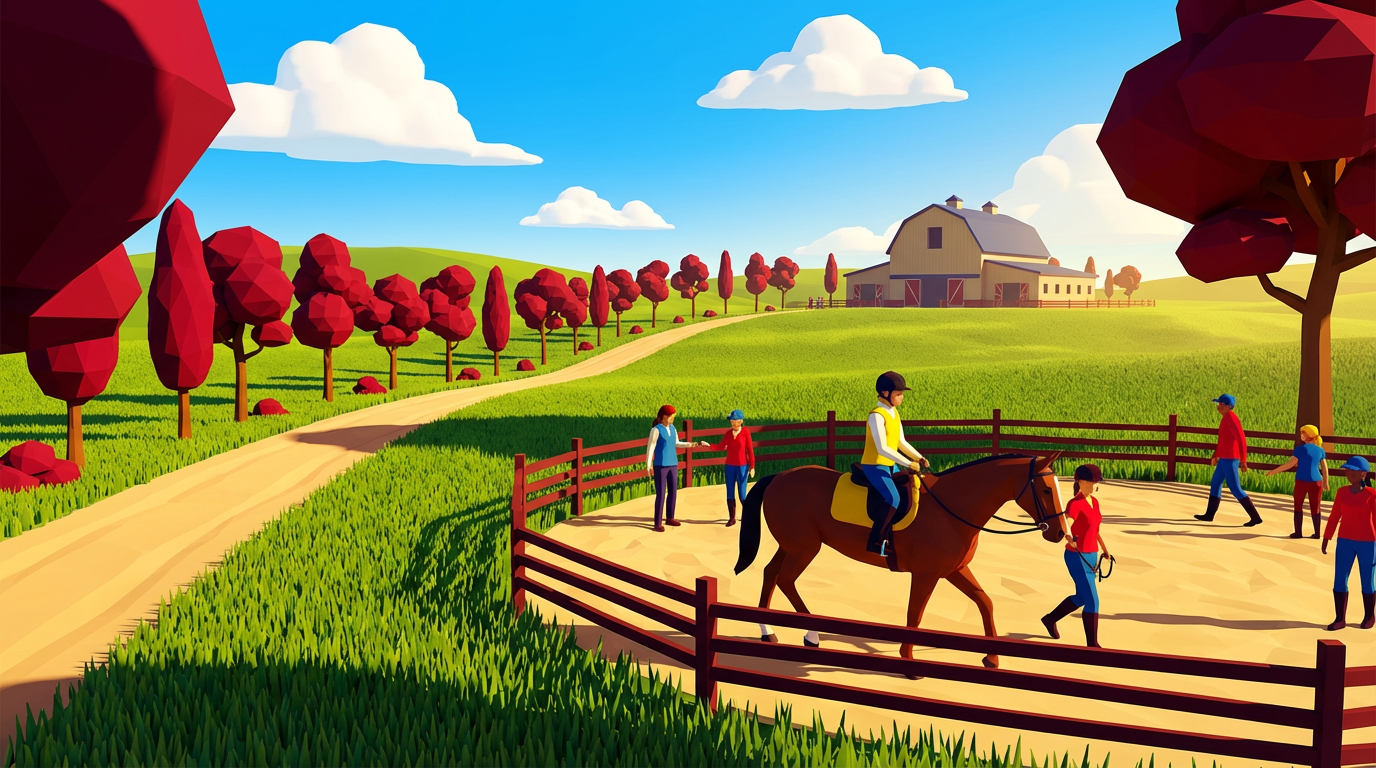
Walk into any therapeutic riding arena and you’ll notice something immediately: the sessions that feel magical versus the ones that struggle often come down to details most people never consider. It’s not just about having a good horse and qualified instructor (though those matter enormously). The environment itself can either support breakthrough moments or create invisible barriers that participants and horses feel but can’t always articulate.
In Ridgecrest’s desert climate, where conditions can shift dramatically throughout the day, these environmental factors become even more critical. What works during a calm morning session might completely derail an afternoon program if you haven’t planned for the subtle changes that affect both horses and participants.
Creating Consistent Arena Spaces That Feel Safe
Your arena setup sends signals before anyone even mounts up. Horses notice when mounting blocks appear in different spots each session, when equipment gets scattered around the perimeter, or when that blue tarp that wasn’t there yesterday suddenly flutters in the corner. Participants pick up on this uncertainty too, especially those dealing with anxiety or trauma responses.
Successful programs establish visual consistency that becomes part of the therapeutic process itself. Keep mounting blocks in the same locations. Store equipment in designated spots that don’t change week to week. Even something as simple as always having the gate latch the same way creates predictability that nervous horses and anxious participants both rely on.
Consider the sight lines too. Participants should be able to see entrances and exits clearly. This isn’t just about safety protocol (though that’s important) but about creating psychological comfort. When someone feels they have clear escape routes, they’re more likely to engage fully in the therapeutic work.
The Power of Predictable Routines and Visual Cues
Therapeutic riding thrives on routine, but not the boring kind. Think of it as creating a reliable rhythm that allows both horses and participants to focus on the actual therapy work instead of wondering what comes next. Smart programs use visual cues that participants can reference throughout sessions.
Simple color-coded systems work wonders. Green cones for walking areas, yellow for trotting zones, red for stop and rest spots. Participants with cognitive challenges, autism spectrum conditions, or PTSD often respond beautifully to these clear visual boundaries. The equine therapy approach recognizes that reducing decision fatigue allows participants to channel energy into therapeutic breakthroughs.
Post activity sequences visually where participants can see them. Not complicated charts, just simple icons showing the session flow. This helps participants with processing differences stay oriented and gives them a sense of control over their experience.
Background Noise Management and Sensory Considerations
Desert locations like Ridgecrest present unique acoustic challenges. Wind can create sudden noise spikes that startle both horses and participants. Aircraft from nearby facilities might interrupt concentration. Even the sound of gravel crunching under hooves carries differently in dry air than it does in humid climates.
Successful programs monitor and manage these sensory inputs proactively. Position speakers for music at horse ear level, not human ear level (horses hear differently than we do). Use sound-absorbing materials along fence lines where possible. Create quiet zones within the arena where overstimulated participants can decompress without leaving entirely.
Pay attention to sensory triggers that might not be obvious. That rhythmic squeaking from a gate hinge might not bother you after hearing it for months, but it could be genuinely distressing for someone with sensory processing differences. Regular therapeutic programs conduct informal sensory audits to catch these issues before they become problems.
Lighting and Weather Adaptations That Keep Sessions On Track
Desert sun creates dramatic shadows that can spook horses and disorient participants. What looks like a simple shadow to you might appear as a threatening dark hole to someone with visual processing challenges or a horse having an off day. Smart arena design accounts for how shadows move throughout typical session hours.
Weather adaptations go beyond just having indoor backup spaces. Consider how wind affects not just comfort but communication. Participants with hearing difficulties struggle more when wind interferes with verbal instructions. Seasonal adaptations become crucial for maintaining therapeutic continuity.
Temperature management affects horses’ attitudes as much as human comfort. Horses that are too hot or too cold don’t make good therapy partners. Simple solutions like portable shade structures or wind barriers can mean the difference between cancelled sessions and breakthrough moments that happen right on schedule.
Horse Selection and Preparation Secrets
Matching Horse Temperament to Individual Client Needs
The magic happens when you pair the right horse with the right person, and this isn’t something you figure out during the session. Your calm, steady mare might be perfect for someone dealing with anxiety, but completely wrong for a client who needs more energy and engagement to stay motivated.
Think about personality types like puzzle pieces. A hyperactive child might actually thrive with a more spirited horse that can match their energy level, while someone working through trauma needs that rock-solid, unflappable partner who won’t react to sudden movements or emotional outbursts. The key is knowing your horses well enough to make these matches instinctively.
Documentation matters here too. Keep notes on how each horse responds to different client personalities, energy levels, and even physical limitations. You’ll start seeing patterns that help you make better matches over time. Some horses are natural empaths, others are excellent motivators, and a few are just steady anchors when everything else feels chaotic.
Pre-Session Grooming as Therapeutic Warm-Up
Grooming isn’t just about making the horse look good (though that’s nice too). It’s actually one of the most powerful therapeutic tools you have, and it starts building that connection before anyone even thinks about mounting up.
The repetitive motion of brushing creates a meditative state that helps clients regulate their nervous systems. For someone with PTSD, this gentle routine can be incredibly grounding. The physical contact with the horse, combined with the rhythmic motion, triggers the same relaxation response you’d get from other mindfulness practices.
But here’s the thing most people miss: let the client choose their grooming tools and approach. Some people need firm pressure and vigorous brushing to feel connected, while others require gentle, slow movements. When you’re working on treatment plans that include multiple therapeutic approaches, this flexibility in the grooming process can set the tone for the entire session.
Watch how the horse responds during grooming too. A horse that leans into the brush or lowers their head is giving clear signals about the client’s energy and approach. These moments teach clients about nonverbal communication and building trust, skills that transfer directly to human relationships.
Reading Your Horse’s Daily Mood and Energy Levels
Your horse woke up on the wrong side of the stall today. Maybe they’re a little stiff, maybe they’re distracted by something in the distance, or maybe they’re just having an off day. Recognizing these subtle shifts can make or break a therapeutic session.
Physical cues are usually the easiest to spot: head position, ear movement, how they’re carrying their weight. But emotional cues require more observation. Is your usually social horse standing apart from the herd? Are they more reactive to sounds than usual? These details tell you whether today is a good day for challenging work or if you need to dial things back.
The beauty of equine therapy is that horses are incredibly honest about their emotional state, and clients pick up on this authenticity. When you acknowledge that the horse is having a tough day and adapt the session accordingly, you’re modeling emotional awareness and flexibility for your clients.
Keep a simple daily log of each horse’s mood and energy. After a few months, you’ll start seeing patterns related to weather, seasonal changes, or even specific days of the week. This information helps you plan sessions more effectively and teaches clients about the importance of checking in with themselves emotionally.
Equipment Choices That Enhance Comfort and Connection
The wrong saddle pad can turn a great session into an uncomfortable experience for everyone involved. But equipment selection goes way beyond just comfort, it’s about creating the right environment for therapeutic breakthroughs to happen.
Bareback pads often create a deeper connection than traditional saddles, allowing clients to feel the horse’s movement and warmth more directly. However, this only works when safety isn’t compromised. For clients working through trust issues, starting with more secure equipment and gradually reducing barriers can be part of the therapeutic process itself.
Lead ropes, halters, and even the type of brushes you use all send messages about the relationship you’re trying to build. Rope halters require more finesse than leather ones, teaching clients about gentle communication versus force. Understanding therapeutic outcomes helps you choose equipment that supports your specific treatment goals rather than just defaulting to what’s convenient.
Consider sensory preferences too. Some clients need the security of a helmet and protective vest, while others feel restricted by too much equipment. The goal is finding that sweet spot where safety requirements meet therapeutic needs without creating unnecessary barriers to the human-horse connection.
Communication Techniques That Build Trust Fast
Using Your Voice as a Calming Tool
Your voice is probably the most underestimated therapeutic tool you carry into every session. Horses respond to vocal tone even before they process words, and your clients pick up on that same energy. A calm, steady speaking pace can actually slow down heart rates in both participants.
The sweet spot for therapeutic communication sits around 120-130 words per minute. Most of us naturally speak at 150-160 words per minute, so you’ll need to consciously slow down. Practice reading instructions aloud at home until this pace feels natural. When you’re giving directions like “gentle pressure on the reins,” stretch out those vowel sounds slightly.
Pitch matters more than volume. A lower, warmer tone triggers the parasympathetic nervous system, which promotes relaxation. You don’t need to whisper, but avoid that bright, cheerful voice we often default to with nervous clients. Instead, think about how you’d speak to comfort a worried friend.
Here’s something most programs miss: the power of vocal mirroring. If your client is speaking quickly due to anxiety, gradually slow your responses. They’ll unconsciously match your rhythm within minutes. This technique works particularly well with children who’ve experienced trauma, as it gives them a sense of control without making demands.
Body Language Cues That Horses and Clients Both Understand
Horses and humans share remarkably similar body language interpretations, which makes your physical presence a powerful communication bridge. Both species read tension in shoulders, uncertainty in posture, and confidence in steady movements.
Your positioning during sessions sends constant messages. Standing with your feet shoulder-width apart and knees slightly bent communicates stability and readiness. Crossed arms signal defensiveness to both horses and humans, while open palms facing slightly upward suggest approachability and calm control.
Eye contact deserves special attention in therapeutic settings. Direct staring can trigger fight-or-flight responses, particularly in trauma survivors. Instead, use what equine professionals call “soft eyes” – maintaining awareness without intense focus. Look at the space between the client’s eyebrows when giving instructions, and let your gaze naturally drift to the horse periodically.
Movement quality matters as much as position. Jerky, sudden gestures create anxiety in both horses and riders. Practice deliberate, flowing movements when adjusting equipment or demonstrating techniques. Your hands should move like you’re moving through water, especially when working near the horse’s head or the client’s personal space.
Breathing becomes visible communication during sessions. Deep, rhythmic breathing that your client can observe helps regulate their own respiratory patterns. Many equine therapy practitioners use counted breathing exercises that clients can mirror while mounted.
The Art of Strategic Silence During Sessions
Therapeutic silence is a skill that separates good programs from exceptional ones. Knowing when to stop talking allows space for processing, connection, and genuine breakthroughs. Most instructors talk too much, filling every moment with direction or encouragement.
The rule of seven seconds applies here. After asking a question or giving instruction, count to seven before speaking again. This feels uncomfortable at first, but it’s often exactly the time needed for clients to process information and respond authentically. Rushing this process can shut down meaningful communication.
Watch for what happens during quiet moments. Clients often reach out to touch their horse, adjust their posture, or make spontaneous observations. These natural responses provide more therapeutic value than any scripted activity. Your job is creating the space for these moments to happen.
Strategic silence works differently with various populations. Children with ADHD might need shorter quiet periods (3-4 seconds), while adults processing trauma might benefit from longer pauses. Veterans often use silence to regulate their internal systems, so don’t interpret quiet as disengagement.
Use environmental sounds as your guide. If the horse sighs, chews, or shifts weight during quiet moments, these are often signs of relaxation. Let these natural rhythms guide your session timing rather than forcing conversation.
Celebrating Small Wins Without Overwhelming Praise
Effective celebration in therapeutic riding requires precision. Over-the-top enthusiasm can actually backfire, creating pressure to perform rather than encouraging natural progress. The goal is acknowledgment that builds genuine confidence.
Specific recognition works better than general praise. Instead of “Great job!” try “You maintained steady contact with the reins through that entire turn.” This approach helps clients understand exactly what they did well and increases the likelihood they’ll repeat the behavior.
Timing your recognition matters enormously. Immediate feedback during the action (“There’s that balanced seat”) is more effective than delayed praise at the session’s end. However, some clients need processing time, so brief acknowledgment followed by quiet space works best.
Match your celebration style to your client’s personality and needs. Some individuals thrive on verbal recognition, while others prefer a simple nod or thumbs up. Trauma survivors might feel overwhelmed by enthusiastic praise, while children with developmental delays might need more animated responses.
Remember that horses provide their own form of celebration. When a client achieves better balance or clearer communication, horses often respond with softer expressions, relaxed ears, or willing cooperation. These natural rewards from the horse often mean more to clients than anything you could say.
Timing and Pacing Adjustments That Prevent Meltdowns
Recognizing Early Warning Signs of Overstimulation
The difference between a successful session and a complete meltdown often comes down to catching those first subtle signals. Most riders show physical signs before emotional ones, and honestly, these cues are easier to spot than you might think.
Watch for changes in posture first. A rider who’s been sitting tall suddenly starts hunching forward, or their shoulders creep up toward their ears. Their hands might start fidgeting with the reins more than usual, or they’ll begin gripping too tightly. These physical tells usually show up about five minutes before the emotional dam breaks.
Breathing patterns change too. You’ll notice shorter, shallower breaths, or sometimes they’ll hold their breath entirely during transitions. Their voice might get higher or quieter when responding to instructions. Some riders start asking repetitive questions, while others go completely silent.
The horse often picks up on tension before we do. If your usually calm mount starts getting antsy or resistant, pay attention. That partnership between horse and rider in equine therapy means the horse becomes an early warning system if we’re smart enough to listen.
Strategic Break Points That Feel Natural
Nobody wants a break that feels like punishment or failure. The key is building natural pause points into your session structure so they feel intentional, not reactive.
Water breaks work perfectly every fifteen to twenty minutes. Frame it as horse care rather than rider need. “Let’s give Duchess a drink and check her hooves” sounds way better than “You look overwhelmed, let’s stop.” The rider feels helpful instead of broken.
Grooming transitions create built-in breathing room. After mounted work, moving to ground activities like brushing gives riders a chance to decompress without losing connection to their therapeutic partner. The repetitive motion of brushing actually helps regulate their nervous system.
Use equipment adjustments strategically. Stirrup checks, helmet adjustments, or switching out brushes all provide natural stopping points. These moments let you gauge where the rider’s at emotionally without making it obvious you’re checking on them.
Weather in Ridgecrest can be unpredictable, so cloud cover or wind changes become perfect excuses for brief indoor transitions. “Let’s move to the barn for a few minutes” gives everyone a reset without feeling forced.
Adapting Session Length Based on Real-Time Assessment
Forget the fifty-minute therapy hour. In therapeutic riding, session length should flex based on what’s actually happening, not what’s written on the schedule.
Some riders hit their sweet spot at thirty-five minutes and everything after that is pushing it. Others need a full hour to even get warmed up. Your job is reading the room (or arena) and making real-time calls.
Start with shorter segments and build up. A twenty-minute session where the rider leaves feeling successful beats a forty-minute struggle that ends in tears. Success breeds success, especially with participants dealing with trauma or anxiety.
Pay attention to quality over quantity. Five minutes of genuine connection and breakthrough progress outweighs twenty minutes of going through the motions. If you hit a magical moment where everything clicks, don’t push for more. End on that high note.
Document these patterns. Rider A consistently peaks at thirty minutes on Tuesdays but can handle forty-five on Fridays. That information helps you plan better sessions and set realistic expectations for families.
Transition Techniques Between Activities
Smooth transitions prevent those jarring moments that can trigger anxiety or resistance. Think of it like changing gears in a car rather than slamming on the brakes and flooring it.
Use countdown warnings. “In three more circles, we’re going to try something new.” This gives riders mental preparation time instead of surprising them with sudden changes. Anxiety often comes from unpredictability, so telegraphing your moves helps.
Bridge activities work wonders. Instead of jumping straight from walking exercises to trotting, add a brief halt and back up sequence. It’s still movement but different enough to serve as a mental gear shift.
Let the rider be part of the transition decision. “Should we practice our steering or work on stopping next?” gives them some control while still keeping you in charge of safety and therapeutic goals.
For participants in our veterans & ptsd program, transitions need extra attention. Military backgrounds often mean hypervigilance around unexpected changes, so clear communication about what’s coming next becomes even more critical.
Remember that ending transitions matter just as much as beginning ones. How you wrap up activities sets the tone for everything that follows.
Safety Measures That Don’t Feel Like Safety Measures
Invisible Spotting Techniques for Confident Riders
The best safety measures are the ones participants never realize are there. Traditional spotting often involves someone hovering directly beside the rider, which can feel intimidating and highlight vulnerabilities. But experienced therapeutic riding instructors know how to provide protection without making it obvious.
Position spotters at strategic locations around the arena where they naturally belong. Have one person adjusting equipment near the mounting block, another organizing supplies by the gate, and a third checking horses in a different area. This creates a safety net that feels completely natural to participants.
Body language makes all the difference too. Instead of walking tensely beside a rider with arms outstretched, spotters can maintain relaxed postures while staying within reaction distance. They might appear to be having casual conversations with instructors or observing other participants, but they’re actually tracking every movement of their assigned rider.
Hand placement becomes an art form. Rather than obvious steadying grips, experienced spotters use light fingertip contact on the rider’s lower leg or casual touches that feel supportive rather than restrictive. The rider gains confidence from what feels like gentle encouragement, not safety intervention.
Emergency Protocols That Stay in the Background
Emergency procedures work best when they’re seamlessly integrated into normal session routines. Participants shouldn’t feel like they’re part of a high-risk activity, even though proper precautions are always in place.
Communication systems should feel natural rather than clinical. Instead of formal emergency codes that sound scary, use conversational phrases that signal different situations. “Let’s take a walking break” might indicate a need to slow things down, while “time to check that equipment” could signal a more immediate concern.
Equipment placement matters enormously. Keep first aid supplies accessible but not visible. Emergency contact information should be readily available to staff without being prominently displayed where participants might see it and worry. The goal is preparedness without creating anxiety.
Horse selection becomes part of emergency prevention. Match horses not just to riding ability, but to personality types and stress responses. A naturally calm horse paired with an anxious rider creates built-in safety that doesn’t require obvious intervention. The horse becomes part of the safety system without anyone realizing it.
Practice scenarios during staff training, but keep the actual sessions feeling spontaneous and enjoyable. When everyone knows their roles instinctively, safety measures can happen smoothly without disrupting the therapeutic atmosphere.
Building Independence While Maintaining Protection
The ultimate goal in therapeutic riding is helping participants develop skills and confidence they can carry beyond the arena. This means gradually reducing obvious support while actually maintaining the same level of safety.
Start with physical independence in small increments. Let riders hold their own reins while someone maintains a lead rope, then transition to longer lead ropes, then remove the lead while keeping spotters nearby. Each step feels like progress rather than risk-taking.
Decision-making opportunities create genuine independence without compromising safety. Let participants choose their horse’s path around simple obstacles or decide when to stop for breaks. These choices feel meaningful while staying within controlled parameters.
Teach participants to recognize their own limits and speak up when they need help. This creates a partnership approach where the rider becomes part of their own safety system. Instead of having safety imposed on them, they actively participate in maintaining it.
Create structured freedom within safe boundaries. Participants might have complete control over their horse within a specific area of the arena, or choose their own activities from a pre-approved list. This builds genuine confidence while maintaining necessary protections.
Teaching Self-Advocacy Skills Through Horse Interaction
Horses naturally teach participants to communicate their needs clearly and immediately. Unlike humans, horses respond to authentic communication and body language, which makes them perfect teachers for self-advocacy skills.
Participants quickly learn that unclear signals don’t work with horses. This creates natural opportunities to practice being direct about what they need, whether it’s asking for help mounting, requesting a break, or expressing discomfort with a particular activity.
Working with equine therapy programs helps participants recognize their own physical and emotional responses. They learn to identify when they feel overwhelmed, tired, or uncertain, then practice communicating those feelings appropriately.
The horse-human relationship creates a safe space to practice assertiveness. Participants learn they can be firm with boundaries while remaining kind, and that asking for what they need doesn’t make them difficult or demanding.
Build these skills gradually by encouraging participants to make requests during sessions. Start with simple preferences like choosing grooming tools, then progress to more complex needs like adjusting stirrups or changing activities. Each successful self-advocacy experience builds confidence for real-world situations.
Post-Session Practices That Extend the Benefits
Cool-Down Activities That Process the Experience
The magic of therapeutic riding doesn’t end when participants dismount. What happens in those first ten minutes afterward can actually determine whether the session’s benefits stick or fade away. Most programs rush straight into packing up, but the smart ones know this is when the real processing begins.
Simple breathing exercises while participants are still near their horses work wonders. Having them place their hands on the horse’s neck and match their breathing to the horse’s natural rhythm helps transition from the heightened awareness of riding back to a calmer state. This isn’t just feel-good fluff (though it does feel good). The rhythmic breathing activates the parasympathetic nervous system, helping lock in the session’s neurological benefits.
Gentle stretching while discussing what felt different during the ride creates a bridge between the physical and emotional experience. Ask participants to notice how their shoulders feel compared to when they arrived. Are their hands more relaxed? Does their back feel different? These body awareness questions help them recognize changes they might otherwise miss.
The key is keeping it conversational, not clinical. Instead of “How did that make you feel?” try “What did your horse seem to notice about you today?” This shifts focus to the relationship and often reveals insights that direct questions miss entirely.
Simple Documentation That Tracks Meaningful Progress
Documentation doesn’t have to be complicated to be powerful. The programs seeing the best long-term results track just three things: what the participant noticed, what the horse responded to, and one specific moment that felt significant.
Quick voice memos work better than written notes for many participants. They can record their thoughts while walking back to the car, capturing immediate reactions before they get filtered through reflection. These audio snapshots often reveal patterns that formal assessments miss.
Photo documentation of posture changes throughout sessions tells a story that words can’t. A simple before-and-after shot of how someone sits on their horse reveals confidence shifts, tension releases, and balance improvements that participants themselves don’t always notice. Just make sure you have proper releases and keep the focus on therapeutic progress, not social media moments.
The most valuable tracking happens when participants rate their energy level and emotional state using their own words, not preset scales. Someone might describe feeling “untangled” or “more solid” which provides much richer information than a 1-10 rating system.
Connecting Session Insights to Daily Life Goals
The real test of therapeutic riding effectiveness is whether barn insights transfer to bedroom, kitchen, and workplace challenges. The best programs don’t leave this connection to chance. They build bridges deliberately and specifically.
When a participant successfully redirects their horse after it gets distracted, that’s not just good horsemanship. It’s practice for redirecting their own attention when anxiety starts spiraling at home. Making this connection explicit helps participants recognize their growing capabilities outside the arena.
Balance work on horseback translates directly to emotional regulation skills. The participant who learns to stay centered when their horse spooks is developing the same neural pathways they need to stay grounded during difficult conversations or stressful work situations. Pointing out these parallels helps participants apply their equine lessons everywhere else.
Goal-setting works best when it moves from general (“I want to be less anxious”) to specific (“I want to use the same calm breathing with my horse when my teenager gets attitude at home”). This specificity makes the connection between equine therapy and daily life both clear and actionable.
Preparing Clients for the Next Session’s Success
What happens between sessions matters as much as what happens during them. Participants who practice their breathing exercises, visualize successful rides, or even just think positively about their horse show up more prepared and get better results.
Sending participants home with one simple practice exercise keeps the connection alive. This might be practicing the mounting sequence in their living room, doing the same stretches they learned at the barn, or spending five minutes visualizing their horse. These mini-practices maintain the neural pathways that therapeutic riding creates.
Setting up the next session for success starts before participants leave. Discussing what they want to work on next time, what felt challenging, and what they’re curious to try gives them something positive to anticipate rather than anxiety about performance.
The programs that consistently create lasting change understand that therapeutic riding is more than weekly appointments. It’s a process that continues between sessions, connects to daily challenges, and builds momentum over time. When you pay attention to these post-session details, you’re not just running better programs in Ridgecrest. You’re changing lives in ways that extend far beyond the arena.
Related Posts
- Healing Through Hoofbeats: The Origins and Impact of THOR in Ridgecrest
- Why March Weather Changes Can Trigger PTSD Symptoms and How Equine Therapy Helps
