
Why March Weather Changes Can Trigger PTSD Symptoms and How Equine Therapy Helps
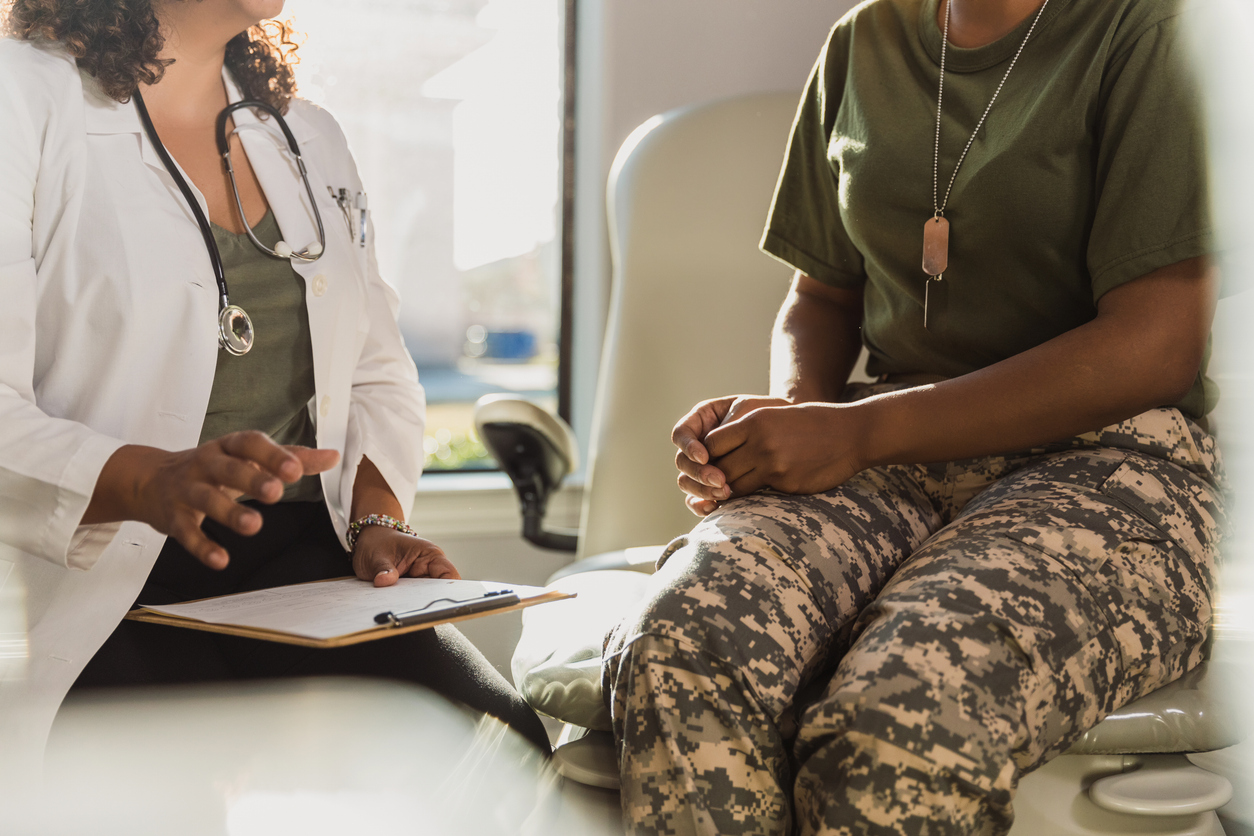
Understanding the March Weather-PTSD Connection
Why seasonal changes affect trauma survivors differently
The transition from winter into spring hits trauma survivors like a freight train, and March sits right at the epicenter of this emotional storm. While most people celebrate longer days and warmer temperatures, veterans and others living with ptsd often experience heightened anxiety, flashbacks, and emotional dysregulation during these weather shifts.
This isn’t just about having “spring fever” or feeling restless. Trauma fundamentally rewires how the brain processes environmental changes. The nervous system becomes hypervigilant, constantly scanning for threats and interpreting even positive changes as potential dangers. When March weather brings unpredictable swings between winter cold and spring warmth, that internal alarm system goes haywire.
Think about it: trauma survivors have already experienced situations where their environment changed suddenly and catastrophically. A roadside bomb doesn’t announce itself with gradually warming temperatures. Combat zones shift from calm to chaos in seconds. So when the brain detects rapid environmental changes (even benign ones like weather patterns), it can trigger the same fight-or-flight response that kept someone alive in a dangerous situation.
Here in Ridgecrest, March weather can be particularly challenging. Desert conditions mean dramatic temperature swings, sudden wind changes, and dust storms that can transport someone right back to deployment memories. The brain doesn’t distinguish between a California dust devil and memories of Middle Eastern sandstorms.
The science behind weather triggers and memory recall
Neuroscience shows us exactly why March weather changes pack such a psychological punch for trauma survivors. The brain’s limbic system, which processes emotions and memories, sits right next to areas that regulate our response to environmental stimuli like barometric pressure, humidity, and temperature changes.
When weather patterns shift, they create measurable changes in brain chemistry. Barometric pressure drops before storms can decrease serotonin levels, while sudden temperature changes affect cortisol production. For someone without trauma, these might cause mild mood fluctuations. But for trauma survivors, these neurochemical shifts can unlock stored memories with startling intensity.
Research from the National Institute of Mental Health demonstrates that sensory memories (including weather-related ones) bypass the brain’s rational processing centers entirely. They travel directly to the amygdala, the brain’s alarm center, which doesn’t understand concepts like “that was then, this is now.” It only knows: “This feels familiar, and last time it felt like this, something terrible happened.”
The phenomenon gets more complex with what scientists call “state-dependent memory.” If someone experienced trauma during specific weather conditions, their brain creates neural pathways linking those environmental cues to the traumatic event. March’s variable weather becomes a trigger-rich environment where multiple sensory memories can activate simultaneously.
Common March weather patterns that activate symptoms
March doesn’t just bring one type of weather change. It delivers a full sensory assault that can overwhelm trauma survivors. The month typically features dramatic temperature swings, where morning frost gives way to afternoon heat within hours. These rapid shifts mirror the unpredictability that characterizes traumatic experiences.
Wind patterns intensify during March transitions, and for veterans, sustained winds can trigger memories of helicopter rotors, approaching vehicles, or the eerie quiet before explosive events. The high desert environment around Ridgecrest amplifies these effects, creating dust clouds that reduce visibility and change air quality within minutes.
Spring storms bring their own challenges. The combination of changing light conditions, electrical activity in the atmosphere, and rapid pressure changes creates what trauma therapists call a “trigger storm.” Participants in therapeutic horsemanship programs often report that their symptoms intensify on days when multiple weather systems move through the area.
Light changes deserve special attention. March brings longer days, but also more dramatic shifts between bright sunshine and sudden cloud cover. For trauma survivors whose incidents occurred in specific lighting conditions, these rapid changes in illumination can transport them instantly back to those moments. Desert sunlight reflecting off surfaces can mimic muzzle flashes or explosion aftermaths.
Even positive weather changes can become triggers. The smell of rain on desert soil, blooming vegetation, or warming earth can activate olfactory memories linked to deployment locations or incident sites. The brain doesn’t categorize these as “good” or “bad” smells – it simply recognizes familiar patterns and responds accordingly.
Recognizing when weather becomes a trauma trigger
Identifying weather-triggered symptoms requires understanding that trauma responses don’t always look like dramatic flashbacks or panic attacks. Sometimes they manifest as subtle changes in sleep patterns, increased irritability, or unexplained physical tension. Veterans might find themselves checking locks repeatedly before storms or feeling inexplicably anxious when barometric pressure drops.
Physical symptoms often appear first. Headaches, joint pain, and digestive issues frequently precede emotional responses to weather changes. The body remembers trauma in ways that bypass conscious awareness, so someone might feel physically ill or experience muscle tension without connecting it to the approaching weather system.
Behavioral changes provide additional clues. Trauma survivors might start avoiding outdoor activities when weather becomes unpredictable, or they might become hypervigilant about weather forecasts. Some develop rituals around weather preparation that seem excessive compared to the actual threat level.
Sleep disturbances spike during March weather transitions. Dreams become more vivid, nightmares increase, and many trauma survivors report waking up feeling exhausted despite getting adequate rest. The brain processes weather-related stress during sleep, leading to fragmented rest patterns that compound daytime symptoms.
Understanding these patterns is crucial for both trauma survivors and their support systems. When someone recognizes that their increased anxiety correlates with weather changes, they can begin developing targeted coping strategies rather than feeling overwhelmed by seemingly random symptom flares. This awareness becomes the foundation for effective therapeutic interventions.
How Weather Changes Impact Your Nervous System
Barometric pressure and its effects on mood regulation
Your body feels weather changes before you even realize what’s happening. Barometric pressure drops create real physiological responses that go far beyond just sensing a storm coming. For veterans dealing with ptsd, these pressure changes can trigger symptoms that feel overwhelming and unpredictable.
When atmospheric pressure drops (which happens frequently during March weather transitions in Ridgecrest), your body’s internal pressure systems work harder to maintain balance. This creates inflammation in tissues, affects blood flow, and puts additional stress on your already sensitized nervous system. Think of it like your body becoming a human barometer, but instead of just predicting weather, it’s amplifying trauma responses.
The connection isn’t just in your head. Research shows that barometric pressure changes affect serotonin levels, the neurotransmitter responsible for mood stability. Veterans who’ve experienced combat trauma often have disrupted serotonin pathways already, making them more vulnerable to these atmospheric shifts.
During equine therapy sessions, we notice participants often report feeling “off” or anxious on days when pressure systems move through our desert region. The horses pick up on this energy immediately. Their natural sensitivity to environmental changes helps them mirror what participants are experiencing, creating opportunities for deeper therapeutic work around environmental triggers.
Temperature fluctuations and stress hormone responses
March temperatures in Ridgecrest can swing dramatically from morning frost to afternoon heat, and your stress response system reacts to every degree of change. Temperature fluctuations trigger cortisol release, flooding your system with stress hormones that were already elevated due to trauma exposure.
Cold snaps activate your body’s survival mechanisms, increasing heart rate and muscle tension. But for veterans with PTSD, this physiological response can feel identical to hypervigilance or panic. Your brain interprets the physical sensations of cold stress as potential danger, even when you’re safe in your own backyard.
Conversely, sudden warm weather creates different challenges. Rapid temperature increases affect sleep patterns, increase irritability, and can trigger flashbacks related to deployment memories in hot climates. The body struggles to thermoregulate while simultaneously managing trauma responses.
In our therapeutic horsemanship programs, we’ve learned to work with these temperature-related symptoms rather than against them. Horses naturally adapt to temperature changes throughout the day, demonstrating healthy coping mechanisms. Participants observe how horses adjust their behavior, breathing, and energy levels in response to weather without becoming dysregulated.
The role of sunlight changes in triggering episodes
Daylight hours shift rapidly during March, and these changes directly impact your circadian rhythms and neurotransmitter production. Veterans with PTSD often already struggle with sleep disruption and mood regulation, making them particularly sensitive to seasonal light variations.
Extended daylight can trigger hypervigilance in some participants, while others find that increased evening light disrupts their carefully maintained sleep schedules. The brain’s production of melatonin becomes confused by changing light patterns, affecting both sleep quality and emotional regulation during waking hours.
Morning light exposure affects cortisol awakening response, which is already dysregulated in many trauma survivors. Too much morning light can spike anxiety levels, while insufficient light can deepen depression symptoms. The unpredictable cloud cover common in March weather creates inconsistent light exposure that makes adaptation even more challenging.
Working outdoors with horses provides natural light therapy that helps reset disrupted circadian rhythms. The gradual exposure to changing light conditions throughout therapy sessions teaches your nervous system to adapt more gradually to environmental changes rather than reacting with alarm.
Physical symptoms that accompany weather-related PTSD flares
Weather-triggered PTSD episodes manifest through specific physical symptoms that many veterans recognize but don’t always connect to environmental changes. Joint pain increases with barometric pressure drops, creating additional discomfort that compounds emotional distress. Muscle tension escalates as your body braces against perceived threats that aren’t actually there.
Headaches and migraines become more frequent during weather transitions, particularly when pressure systems move rapidly through the region. These aren’t just ordinary headaches but neurological responses to your overtaxed stress response system trying to process environmental data while managing trauma symptoms.
Digestive issues often accompany weather-related flares. Your gut contains more nerve cells than your spinal cord, making it incredibly sensitive to stress hormone fluctuations triggered by atmospheric changes. Nausea, appetite changes, and stomach pain are common during unstable weather periods.
Sleep disruption intensifies during weather transitions. Your body remains on high alert, scanning for environmental threats even during rest. This creates a exhausting cycle where poor sleep increases weather sensitivity, which further disrupts sleep patterns.
Through our work at thor, participants learn to recognize these physical warning signs early. Horses demonstrate healthy responses to environmental discomfort, showing participants that physical reactions to weather changes are normal and manageable. This validation helps reduce the secondary anxiety that often develops when veterans worry about their symptoms escalating into full episodes.
The therapeutic relationship with horses provides grounding during these physical symptoms. Focusing on horse care activities redirects attention away from internal distress signals while maintaining awareness of your body’s needs. This creates a balanced approach to managing weather-related symptoms without becoming overwhelmed by them.
Why Traditional Therapy Sometimes Falls Short During Seasonal Transitions
Limitations of indoor talk therapy for weather-related triggers
Picture this: you’re sitting in a sterile therapy office, fluorescent lights buzzing overhead, trying to explain how the sudden drop in barometric pressure before yesterday’s storm sent your anxiety through the roof. Your therapist nods sympathetically, but there’s a disconnect. How can someone truly understand the visceral reaction to changing weather patterns when they’re experiencing none of those environmental cues themselves?
Traditional talk therapy, while valuable, operates in a controlled bubble that often strips away the very elements that trigger symptoms. When March weather swings between sunny warmth and sudden storms in Ridgecrest, veterans dealing with ptsd need more than verbal processing. They need to learn how their bodies respond to these actual environmental changes.
Research shows that approximately 70% of individuals with trauma-related disorders experience heightened symptoms during seasonal transitions. Yet most therapeutic approaches rely heavily on cognitive techniques that don’t address the physiological responses happening in real-time. Your nervous system doesn’t care about breathing exercises when that familiar pressure drop hits and your body goes into high alert.
The problem becomes even more complex when therapists themselves haven’t experienced combat trauma or don’t understand how military training creates specific environmental sensitivities. A veteran might describe feeling exposed and vulnerable during windy conditions, but explaining the connection between wind patterns and hypervigilance in a windowless office loses something crucial in translation.
The challenge of recreating natural environments in clinical settings
Clinical settings are designed for consistency and control, which creates an inherent problem when trying to address weather-related triggers. You can’t simulate the feeling of sudden temperature changes, the sound of wind picking up before a storm, or the way shadows shift when clouds move across the sun. These subtle environmental cues often serve as early warning systems for veterans, but they’re impossible to replicate indoors.
Some therapists attempt to bridge this gap using virtual reality or guided imagery, but these tools fall short of providing authentic sensory experiences. The nervous system knows the difference between imagined scenarios and real environmental changes. When your body has been trained to respond to specific atmospheric conditions, artificial recreations often feel hollow and ineffective.
Consider how military service creates heightened awareness of environmental factors. Weather conditions could mean the difference between safe passage and dangerous exposure during deployment. This learned hypervigilance doesn’t simply turn off when someone returns to civilian life. Instead, seasonal changes continue to trigger survival responses that were once adaptive but now interfere with daily functioning.
The controlled environment of traditional therapy, while safe, doesn’t provide opportunities to practice regulating these responses in real-world conditions. Veterans need to learn how to stay grounded when March winds kick up dust clouds or when sudden temperature drops create that familiar sense of unease. These skills can only be developed through actual exposure to environmental variables.
When medication adjustments aren’t enough
Many veterans find themselves caught in an endless cycle of medication adjustments during seasonal transitions. Psychiatrists increase anxiety medications when symptoms spike during weather changes, then decrease them when conditions stabilize. But this pharmaceutical approach treats symptoms rather than addressing the underlying environmental sensitivities.
Medication can certainly provide relief, but it doesn’t teach coping strategies for managing weather-related triggers. Veterans often report feeling disconnected from their bodies when heavily medicated, which can actually interfere with developing natural regulation skills. They might feel less anxious during a storm, but they also lose the ability to recognize and respond appropriately to their body’s signals.
The timing of seasonal symptoms creates additional challenges for medication management. March weather in Ridgecrest is notoriously unpredictable, with conditions changing rapidly throughout the day. By the time medication adjustments take effect, weather patterns have often shifted again, leaving veterans feeling perpetually behind their symptoms.
Research indicates that veterans who rely solely on medication for weather-related triggers often experience diminished self-efficacy. They begin to believe they can’t handle environmental changes without pharmaceutical support, which reinforces feelings of vulnerability and dependence. This creates a psychological burden that compounds the original trauma responses.
The need for body-based healing approaches
Traditional therapy focuses primarily on thoughts and emotions, but trauma lives in the body. When March weather triggers hypervigilance, sweating, muscle tension, or rapid heartbeat, veterans need interventions that address these physical manifestations directly. Talk therapy alone rarely provides the embodied experiences necessary for nervous system regulation.
Body-based approaches recognize that healing happens through movement, breath, and sensory integration. Veterans need to learn how their bodies naturally respond to environmental changes and develop skills for staying present during uncomfortable sensations. This requires therapeutic modalities that engage the whole person, not just their cognitive understanding.
Equine-assisted therapy fills this gap by providing authentic environmental experiences within a supportive framework. Working with horses outdoors exposes veterans to the same weather conditions that trigger symptoms while offering immediate opportunities to practice regulation techniques. The programs at THOR recognize that healing happens through real-world practice, not theoretical discussions.
Horses themselves serve as biofeedback systems, responding to human nervous system states in ways that provide immediate information about regulation levels. When a veteran’s anxiety spikes during changing weather conditions, their horse partner reflects this energy back, creating opportunities for real-time awareness and adjustment. This type of embodied feedback is impossible to replicate in traditional clinical settings.
The combination of natural environmental exposure and interspecies connection creates unique opportunities for nervous system recalibration. Veterans learn to stay grounded in their bodies while navigating actual weather changes, building confidence that extends far beyond therapy sessions into daily life resilience.
How Horses Naturally Respond to Weather Changes
Understanding equine sensitivity to atmospheric pressure
Horses possess an extraordinary ability to detect atmospheric pressure changes hours before humans even notice weather shifts. Their sensitivity stems from evolutionary adaptations that helped wild horses survive by anticipating dangerous weather conditions. This natural radar system makes them exceptional therapeutic partners for veterans dealing with ptsd symptoms that often intensify with weather changes.
Research shows that horses can sense pressure drops as small as 0.1 inches of mercury, detecting incoming storm systems 12 to 24 hours before they arrive. Their inner ears contain specialized cells that respond to these minute atmospheric variations, similar to the barometric sensitivity some veterans experience. When working with horses during therapeutic sessions, participants often observe how these animals become more alert or restless before weather changes, demonstrating a healthy response to environmental shifts.
In Ridgecrest’s desert climate, where spring weather can shift dramatically from calm mornings to windy afternoons, horses serve as living barometers. Veterans participating in equine therapy sessions learn to recognize these subtle behavioral cues, developing their own awareness of environmental changes. This heightened sensitivity, rather than being viewed as a weakness, becomes a strength when channeled through therapeutic horsemanship activities.
The horses’ natural responses validate what many veterans already feel in their bodies before weather changes. Instead of dismissing these sensations as problematic, therapeutic sessions help participants understand that environmental sensitivity can be adaptive and normal. Horses demonstrate that being attuned to atmospheric shifts represents survival wisdom, not dysfunction.
How horses model healthy responses to environmental shifts
When atmospheric pressure drops and weather patterns begin changing, horses exhibit calm, purposeful responses that serve as powerful models for veterans learning emotional regulation. Unlike human anxiety responses that can spiral into panic, horses acknowledge environmental changes and then adapt their behavior accordingly without becoming overwhelmed by the sensation.
During therapeutic sessions, participants observe horses becoming more vigilant before storms, moving closer to shelter, or changing their grazing patterns. These responses demonstrate healthy preparation rather than fearful avoidance. Veterans working with horses learn to differentiate between adaptive alertness and maladaptive anxiety, recognizing that feeling environmental changes doesn’t automatically signal danger.
Horses also model the concept of herd support during environmental transitions. When one horse senses atmospheric pressure changes, the entire herd becomes more aware without panic spreading through the group. This collective awareness demonstrates how sharing environmental sensitivities with others can provide comfort rather than amplification of distress. Veterans often find relief in learning that their weather-related symptoms are shared experiences rather than isolated struggles.
The therapeutic value emerges when veterans practice mimicking horses’ grounding behaviors during weather transitions. Simple actions like moving to appropriate shelter, maintaining awareness without hypervigilance, and staying connected to supportive companions become practical coping strategies. These behaviors feel natural because they mirror what horses do instinctively, making them easier to integrate into daily life.
The calming effect of horse behavior during storms
Perhaps most remarkably, horses demonstrate profound calm during actual storms, providing therapeutic anchoring for veterans whose veterans & ptsd needs intensify during severe weather. While horses remain alert during atmospheric pressure changes, they often become notably peaceful once storms actually arrive, as if the environmental uncertainty has resolved into manageable reality.
This phenomenon offers powerful therapeutic lessons for veterans who experience anticipatory anxiety before weather changes but may actually feel relief once storms begin. Horses teach that the anticipation of environmental change often creates more stress than the actual weather event itself. During indoor arena sessions in Ridgecrest, veterans can safely observe horses’ calm demeanor even as wind rattles the building or rain pounds the roof.
The rhythmic breathing patterns horses maintain during storms become focal points for therapeutic breathing exercises. Veterans learn to match their breathing to their horse partners, using the animals’ steady respiratory rates as guides for self-regulation. This biological synchronization helps override the heightened physiological responses that weather changes can trigger in trauma survivors.
Horses also demonstrate the therapeutic power of present-moment awareness during storms. Rather than anticipating future weather or dwelling on past experiences, horses focus entirely on current conditions and immediate needs. Veterans practice this mindfulness approach, learning to ground themselves in present sensory experiences rather than becoming overwhelmed by weather-related memories or future weather anxiety.
Learning emotional regulation through horse interaction
The interactive component of equine therapy becomes particularly powerful when horses respond to participants’ emotional states during weather transitions. Horses mirror human emotional energy, becoming more agitated when working with anxious veterans but remaining calm with participants who practice emotional regulation techniques. This immediate feedback creates natural learning opportunities for self-regulation skills.
Veterans learn that their emotional responses to environmental changes directly affect their horse partners, creating motivation for developing healthy coping strategies. When participants practice grounding techniques or breathing exercises during weather-sensitive periods, horses respond with increased calm and connection. This partnership dynamic reinforces positive coping behaviors in ways that traditional talk therapy alone cannot achieve.
The grooming and care activities central to therapeutic horsemanship provide structured routines that remain consistent regardless of weather conditions. Veterans learn that maintaining caring relationships and helpful activities can provide stability even when environmental conditions feel chaotic. These routine interactions with horses become anchoring practices that veterans can rely on during difficult weather periods.
Through repeated exposure to horses during various weather conditions, veterans gradually build confidence in their ability to remain functional and connected during environmental changes. The horses’ consistent presence and predictable needs create structure that helps participants maintain therapeutic progress even when weather conditions trigger challenging symptoms. This environmental resilience becomes transferable to other life situations beyond the arena.
Equine Therapy Techniques for Weather-Related PTSD
Grounding exercises with horses during weather changes
When March winds pick up or sudden temperature drops trigger hypervigilance, horses become living anchors for veterans struggling with ptsd. These gentle giants naturally draw participants into the present moment through their calm presence and rhythmic breathing patterns.
The most effective grounding technique involves what we call “breath matching” with horses. Participants stand close to their equine partner, placing one hand on the horse’s chest and feeling the steady rise and fall. This physical connection interrupts the spiral of anxious thoughts that weather changes often trigger. The horse’s heart rate (typically 28-44 beats per minute) naturally slows human breathing patterns.
During windy conditions in Ridgecrest, horses demonstrate remarkable calm that becomes contagious. Veterans learn to mirror this stillness by focusing on simple sensory experiences like the warmth of the horse’s neck, the texture of their coat, or the earthy smell of the stable. These concrete sensations pull attention away from internal storm systems.
Temperature regulation exercises work particularly well during March’s unpredictable weather swings. Participants practice recognizing their body’s response to environmental changes while staying connected to their horse. The animal’s consistent body temperature provides a reference point for self-awareness without judgment.
Building resilience through outdoor exposure therapy
Gradual exposure to challenging weather conditions alongside horses creates a controlled environment for building weather tolerance. Unlike traditional exposure therapy conducted in clinical settings, equine-assisted sessions provide natural motivation to stay present despite discomfort.
We start with mild weather variations during grooming activities. Veterans might brush their horse during a light breeze, learning that they can maintain focus on the task while acknowledging environmental changes. The horse’s steady demeanor provides reassurance that the situation remains safe, even when weather patterns shift.
Progressive challenges include leading horses through puddles after spring rains or working with them during gentle temperature changes. Each successful experience builds confidence in weather resilience. Participants often report feeling proud that they helped their equine partner navigate conditions that previously would have sent them seeking shelter.
The key difference from indoor therapy is that outdoor sessions normalize weather as part of life rather than something to avoid. Veterans develop practical coping skills while engaged in meaningful activities with horses who remain unfazed by most weather changes. This partnership approach reduces shame around weather sensitivity.
March weather in our desert environment offers perfect opportunities for building resilience gradually. Morning sessions might start cool and warm up significantly, allowing participants to practice adapting alongside their horses without feeling overwhelmed.
Using horse feedback to recognize early warning signs
Horses excel at reading human emotional states, often sensing tension before the person realizes they’re activated. This natural ability makes them exceptional partners for identifying early PTSD symptoms triggered by weather changes.
When barometric pressure drops before storms, many veterans experience increased anxiety without recognizing the connection. Horses pick up on these subtle changes in body language, breathing patterns, and energy levels. They might step closer, lower their heads, or become more attentive to their human partner.
Participants learn to interpret these equine responses as valuable feedback about their internal state. Instead of dismissing mounting tension, they use their horse’s behavior as an early warning system. This awareness creates opportunities for intervention before symptoms escalate.
Training sessions focus on recognizing specific horse behaviors that correspond to human stress responses. A horse turning away might indicate someone is pushing too hard. Increased alertness from the horse often mirrors hypervigilance in their human partner. These observations become tools for self-monitoring.
The non-judgmental nature of horse feedback reduces defensive responses common in traditional therapy settings. Veterans find it easier to acknowledge their struggles when reflected through their equine partner’s honest reactions rather than through direct human observation.
Developing coping strategies through equine partnership
Working partnerships with horses naturally teach regulation strategies that transfer to daily life challenges. Horses require calm, consistent energy to feel safe, which motivates participants to develop practical coping skills during weather-related stress.
Breathing techniques become essential when horses sense human anxiety during windy conditions or temperature changes. Veterans quickly learn that shallow, rapid breathing makes horses nervous, while deep, steady breaths create partnership harmony. This immediate feedback loop makes breath work feel practical rather than abstract.
Problem-solving skills develop through collaborative challenges with horses during various weather conditions. Moving equipment before rain arrives, adjusting blankets for temperature changes, or finding shelter during unexpected weather requires flexible thinking and calm decision-making alongside equine partners.
Communication skills improve as participants learn to convey confidence to their horses despite personal discomfort with weather changes. Veterans practice projecting calm energy even when feeling internally activated, developing emotional regulation skills through purposeful interaction.
The responsibility of caring for another being during challenging conditions builds self-efficacy. Veterans report feeling capable and useful when helping their horses navigate weather changes, countering feelings of helplessness that PTSD often creates.
Creating safe spaces for processing weather-related trauma
Horses naturally create emotional safety through their presence, allowing veterans to explore difficult memories connected to weather events without feeling alone or vulnerable. The barn environment provides physical shelter while equine companionship offers emotional security.
Processing sessions often begin with simple activities like grooming or feeding, creating routine stability before addressing challenging topics. Veterans might share memories of weather-related incidents while brushing their horse, finding comfort in the repetitive motion and warm presence of their partner.
The rhythm of horse care activities provides structure for difficult conversations about weather triggers. Mucking stalls, filling water buckets, or organizing feed creates purposeful activity that reduces the intensity of purely talk-based therapy sessions while maintaining therapeutic momentum.
Horses demonstrate healthy responses to weather changes, modeling resilience for their human partners. Veterans observe how horses seek appropriate shelter without panic, adjust their behavior for conditions without losing functionality, and maintain social connections despite environmental challenges.
Group sessions in barn settings allow veterans to process shared experiences with weather-related trauma while caring for horses together. The animals provide common ground for building trust between participants who might otherwise struggle with social connection. These shared experiences in our Ridgecrest facility create lasting therapeutic communities focused on veterans & ptsd through meaningful equine partnerships.
Making Equine Therapy Work for You This Spring
What to expect in your first weather-focused session
Your first weather-focused equine therapy session might feel different from traditional indoor therapy. The therapist will likely start by assessing how you respond to the current weather conditions and outdoor environment. This isn’t about judging your reactions – it’s about understanding your unique patterns so they can tailor the program to help you build resilience.
You’ll probably begin with simple ground activities rather than riding. Working alongside horses in changing weather conditions allows you to practice coping strategies in real time. The horse becomes your partner in learning how to stay present when environmental factors trigger anxiety or hypervigilance. Many participants find that focusing on the horse’s calm energy helps them regulate their own nervous system responses.
The session structure adapts to whatever weather March brings that day. If it’s windy, you might work on breathing techniques while grooming a horse in a sheltered area. During a sudden temperature drop, the therapist might guide you through grounding exercises that help you distinguish between current safety and past trauma triggers. These practical skills transfer directly to daily life situations.
Most importantly, there’s no pressure to “perform” or push through discomfort. The therapeutic process honors your pace and recognizes that healing happens differently for everyone. Some days you might spend the entire session just being present with the horses, and that’s completely valid therapeutic work.
Finding qualified equine-assisted therapy providers
Not all horse programs offer specialized ptsd treatment, so research is crucial. Look for providers with specific training in trauma-informed equine therapy and experience working with veterans. The therapist should hold certifications from recognized organizations like PATH International or EAGALA, which ensure they understand both mental health principles and safe horse handling.
In the Ridgecrest area, you want programs that understand the unique challenges veterans face. Ask potential providers about their experience with military trauma and how they adapt sessions for weather-related triggers. A qualified program will have protocols for various weather scenarios and won’t simply cancel sessions when conditions aren’t perfect.
The facility itself matters too. Quality programs maintain both indoor and outdoor spaces, allowing for flexible session planning regardless of March’s unpredictable weather patterns. The horses should be specifically selected and trained for therapeutic work – calm, responsive animals that can handle sudden weather changes without becoming stressed themselves.
Don’t hesitate to ask about staff-to-participant ratios and safety protocols. Reputable programs typically maintain small group sizes and have clear emergency procedures for both weather events and mental health crises. You should feel comfortable asking questions about their approach to trauma-sensitive care before committing to treatment.
Preparing for outdoor therapy in unpredictable weather
March weather in Southern California can shift quickly, so preparation becomes part of the therapeutic process. Dress in layers that you can adjust throughout the session, and bring a light jacket even if the morning starts warm. Comfortable, closed-toe shoes are essential for safety around horses, regardless of weather conditions.
Mental preparation matters just as much as physical readiness. Before each session, practice the grounding techniques your therapist has taught you. This might include deep breathing exercises or positive self-talk that helps you stay centered when weather changes unexpectedly during your session. Remember that these environmental shifts are opportunities to practice coping skills in a supported setting.
Consider keeping a weather trigger journal to track patterns in your responses. Note which conditions feel most challenging and what strategies help you stay regulated. This information becomes valuable data for your therapist to customize future sessions and build your confidence in handling environmental changes.
Plan your schedule with flexibility in mind. Quality therapeutic horsemanship programs will communicate about weather-related schedule adjustments, but having backup plans reduces anxiety about potential changes. This flexibility practice actually strengthens the mental skills you’re developing through therapy.
Combining equine therapy with other PTSD treatments
Equine therapy works best as part of a comprehensive treatment approach rather than a standalone solution. Many participants continue individual counseling or group therapy while adding horse-assisted sessions to address specific environmental triggers. The horses provide a unique therapeutic element that complements traditional talk therapy by engaging your nervous system in ways that purely verbal processing cannot.
Medication management remains important for many people pursuing equine therapy. The outdoor environment and physical activity involved in horse care can affect how you respond to medications, so maintain open communication with your prescribing provider. Some participants find that the stress-reduction benefits of working with horses allow for gradual medication adjustments under professional supervision.
The skills you develop through equine therapy enhance other treatment modalities. The mindfulness and emotional regulation techniques practiced with horses strengthen your ability to engage in cognitive behavioral therapy or EMDR processing. Many therapists find that clients who participate in equine programs show improved progress in traditional therapy settings.
Family involvement can amplify the benefits of your equine therapy experience. Some programs offer family sessions where loved ones learn to support your healing journey and understand how environmental factors affect your wellbeing. This creates a stronger support network that extends the therapeutic benefits beyond your scheduled sessions.
The combination of fresh air, physical activity, and meaningful connection with horses creates a powerful foundation for healing that enhances every aspect of your treatment plan. If you’re ready to explore how equine therapy can support your recovery journey, especially during challenging seasonal transitions like March, consider connecting with veterans & ptsd programs that understand the unique needs of military families in our community. Your healing deserves every tool available, and sometimes the most unexpected partnerships – like those formed with horses – become the catalyst for profound transformation.