Spring Training for Your Mind How Equine-Assisted PTSD Therapy Builds Mental Resilience
Understanding the Connection Between Horses and Healing
Why Horses Are Natural Therapists
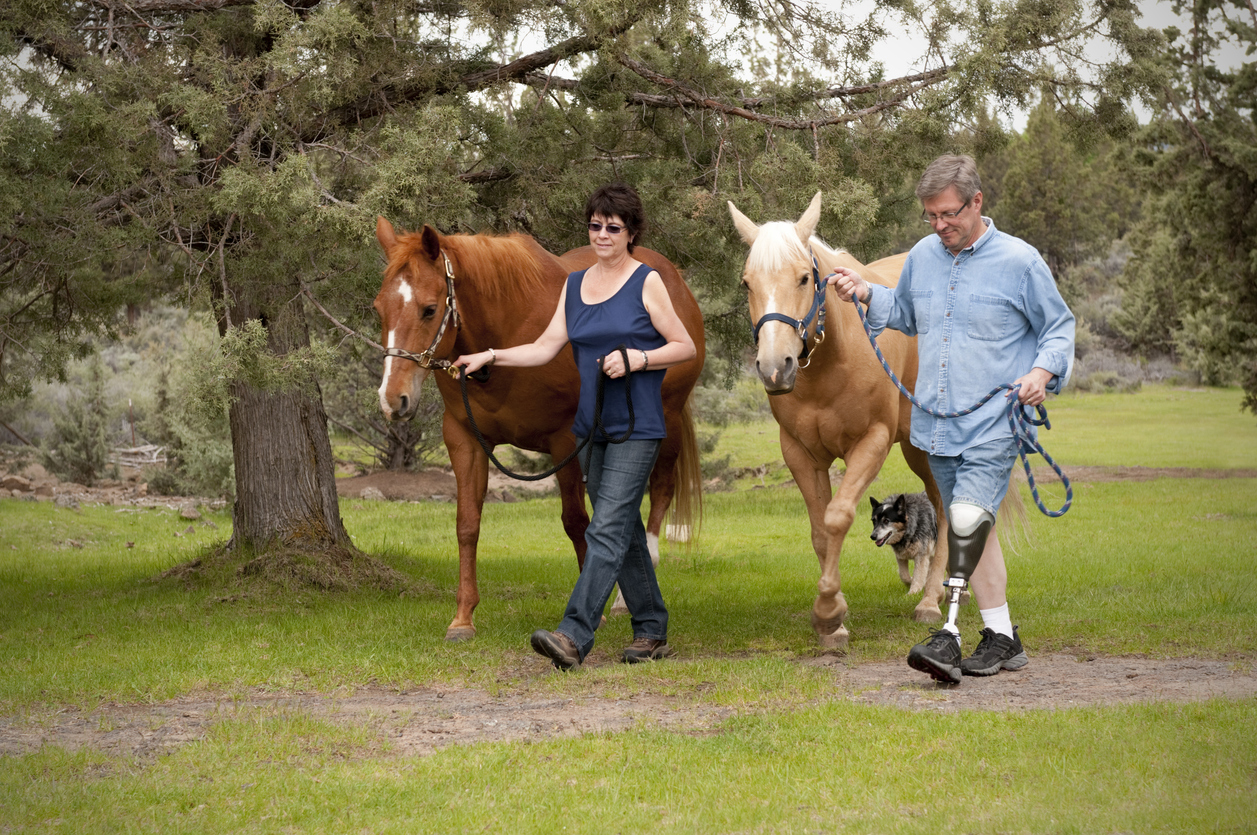
There’s something almost magical about watching a veteran interact with a horse for the first time. The tension in their shoulders begins to soften, their breathing deepens, and for perhaps the first time in months (or years), they’re fully present in the moment. But this isn’t magic – it’s science, biology, and thousands of years of evolution working together to create one of nature’s most effective therapeutic partnerships.
Horses possess an innate ability to read human emotions that goes far beyond what most people realize. These 1,200-pound animals can detect changes in our heart rate, muscle tension, and even the chemical signals our bodies release when we’re stressed or anxious. Unlike humans, horses don’t judge, criticize, or have hidden agendas. They simply respond to what they feel from us in the moment, creating an environment of pure authenticity that many veterans struggling with ptsd haven’t experienced in civilian life.
In Ridgecrest, where military culture runs deep, horses become bridges between the hypervigilance that keeps veterans safe in combat zones and the peace they desperately need to heal. They don’t ask about deployments, missions, or traumatic experiences. Instead, they offer something simpler and more profound: unconditional acceptance and immediate feedback about our emotional state.
What makes horses particularly effective as natural therapists is their prey animal instincts. They’re constantly scanning their environment for threats, much like many veterans do after returning from deployment. This shared hypervigilance creates an instant understanding – the horse gets it without explanation. When a participant learns to help a horse feel safe and calm, they’re simultaneously learning to regulate their own nervous system.
The Science Behind Equine-Human Bonding
The therapeutic bond between humans and horses isn’t just emotional – it’s neurobiological. Research shows that interacting with horses triggers the release of oxytocin, often called the “bonding hormone,” while simultaneously reducing cortisol levels associated with chronic stress and trauma responses. For veterans dealing with PTSD symptoms, this neurochemical shift can be more effective than traditional talk therapy alone.
Dr. Temple Grandin’s research on animal behavior reveals that horses and humans share similar emotional processing systems. When we’re near horses, our parasympathetic nervous system (responsible for “rest and digest” responses) becomes more active, naturally counteracting the hyperarousal state common in PTSD. This biological response happens whether the participant consciously recognizes it or not.
The rhythmic nature of a horse’s walk also provides sensory integration benefits. The three-dimensional movement mirrors the motion human babies experience in the womb, triggering deep relaxation responses. For veterans whose nervous systems are stuck in fight-or-flight mode, this gentle, repetitive motion helps reset their baseline arousal levels over time.
Studies conducted at military treatment facilities show that veterans participating in therapeutic horsemanship programs demonstrate measurable improvements in sleep quality, emotional regulation, and social connection within just eight weeks. The bilateral stimulation of riding (left-right, left-right movement) even activates the same neural pathways targeted by EMDR therapy, making horses natural processors of traumatic memories.
How Horses Mirror Human Emotions
Horses are emotional mirrors, reflecting back exactly what they sense from the humans around them. This mirroring effect becomes a powerful therapeutic tool because it provides immediate, non-judgmental feedback about our internal state. When a veteran approaches a horse while feeling anxious or agitated, the horse will often become restless, move away, or show signs of tension. Conversely, when the same person approaches with calm energy and focused breathing, the horse typically responds with relaxed body language and willing partnership.
This real-time feedback system teaches participants to become more aware of their emotional states and develop better self-regulation skills. Many veterans report that working with horses helped them recognize triggers and warning signs they’d been unconsciously ignoring. The horse doesn’t lie or pretend – it simply responds to the authentic energy being presented.
In ground-work exercises, participants often experience profound “aha” moments when they realize their internal chaos is being reflected in the horse’s behavior. Learning to calm themselves in order to calm the horse becomes a transferable skill they can use in civilian relationships, work situations, and daily stressors. The horse becomes both teacher and mirror, showing them their progress in real-time.
What’s particularly powerful about this mirroring effect is that it happens without words. For veterans who struggle to articulate their experiences or emotions, horses provide a non-verbal communication pathway that bypasses the cognitive barriers trauma often creates. The relationship develops through presence, energy, and mutual respect rather than discussion or analysis.
Creating Safe Spaces for Emotional Expression
Safety isn’t just about physical security in equine therapy – it’s about creating emotional and psychological safety where authentic healing can occur. Horses naturally demand authenticity; they can’t be fooled by masks or pretenses that might work with humans. This requirement for genuineness, while initially challenging, becomes liberating for participants who’ve been carrying emotional armor for years.
The structured environment of therapeutic sessions provides predictable routines and clear boundaries that help participants feel secure enough to begin lowering their defenses. Veterans often report that the barn becomes their sanctuary – a place where they can simply be themselves without judgment or expectation. The horse-powered therapy approach creates space for emotions to surface naturally rather than being forced through confrontational techniques.
Trust builds gradually through consistent, positive interactions with the horses and therapeutic team. Each successful session – whether it’s leading a horse, grooming, or simply sitting quietly in the animal’s presence – becomes evidence that safe relationships are possible. For veterans whose trust has been shattered by trauma, these incremental successes lay the foundation for broader healing and reconnection with others.
The outdoor environment itself contributes to this sense of safety and healing. Research shows that spending time in natural settings reduces symptoms of depression and anxiety while improving cognitive function. Combined with the therapeutic benefits of equine interaction, participants often experience a profound sense of peace and possibility they haven’t felt since before their trauma occurred.
How Equine-Assisted Therapy Addresses PTSD Symptoms
Breaking Down Hypervigilance Through Groundwork
Hypervigilance is one of the most exhausting symptoms veterans with PTSD face. That constant scanning for threats, the inability to relax, the feeling that danger lurks around every corner – it’s mentally and physically draining. But here’s where horses become incredible teachers in ways that traditional therapy often struggles to match.
During groundwork sessions, participants learn to read a horse’s body language and energy. Horses are naturally hypervigilant prey animals themselves, but they’ve mastered something many veterans are working to relearn: how to assess actual threats versus perceived ones. When a horse is grazing peacefully, they’re showing the participant what appropriate vigilance looks like – alert but not anxious.
The magic happens when veterans start mirroring the horse’s energy patterns. If you’re tense and hypervigilant, the horse picks up on that energy and becomes restless. But when you consciously soften your breathing and relax your shoulders, the horse often responds by lowering their head or stepping closer. This immediate feedback creates a powerful learning loop that helps participants understand how their internal state affects their environment.
At facilities offering veterans & ptsd programs, groundwork exercises are specifically designed to challenge hypervigilant patterns. Participants might be asked to lead a horse through an obstacle course while maintaining calm energy, or to stand quietly with a horse without constantly checking their surroundings.
Rebuilding Trust After Trauma
Trust issues run deep for many veterans with PTSD. When your world has been turned upside down by trauma, trusting others – or even trusting yourself – becomes incredibly difficult. Horses offer a unique opportunity to rebuild that capacity for trust in a controlled, non-judgmental environment.
Unlike humans, horses don’t have hidden agendas or complex emotional motivations. They respond to the energy and intention you bring in the moment. This authenticity creates a safe space for veterans to practice vulnerability without fear of betrayal or manipulation.
The process starts small. Maybe it’s trusting that the horse won’t step on your feet during grooming. Then it might progress to trusting them to follow your lead during groundwork exercises. Eventually, for those ready for it, trust might involve riding – literally putting your life in the hands (or hooves) of another being.
Each successful interaction builds what therapists call “earned security.” The veteran experiences proof that trust can be rewarded rather than punished. These positive experiences create new neural pathways that can eventually extend to human relationships. The beauty of working with horses is that they provide immediate, honest feedback about trustworthiness without the emotional complexity that human interactions often carry.
Managing Emotional Flashbacks in the Arena
Flashbacks are among the most disorienting aspects of PTSD. One moment you’re in the present, the next you’re mentally transported back to a traumatic event. The arena environment provides a unique setting for learning to navigate these challenging episodes when they occur.
Horses are incredibly sensitive to emotional shifts. When a participant begins experiencing a flashback or emotional trigger, horses often respond by moving away or showing signs of concern. Rather than seeing this as rejection, skilled therapists use these moments as teaching opportunities about emotional regulation and grounding techniques.
The physical environment of the arena itself becomes a grounding tool. The smell of hay, the sound of hooves on sand, the tactile sensation of brushing a horse’s coat – these sensory experiences anchor participants in the present moment. Many veterans report that focusing on these immediate sensations helps interrupt the flashback cycle more effectively than traditional grounding techniques alone.
Programs focused on therapeutic horsemanship often incorporate specific protocols for managing emotional overwhelm. This might include designated calm-down spaces within the arena, breathing exercises that involve matching the horse’s respiratory rhythm, or simple tasks like filling water buckets that provide structure during difficult moments.
Developing Healthy Coping Mechanisms
Traditional coping mechanisms for many veterans often involve avoidance, isolation, or substances. Equine-assisted therapy introduces healthier alternatives by making coping strategies feel natural rather than clinical.
Working with horses naturally requires present-moment awareness. You can’t effectively communicate with a 1,200-pound animal while your mind is elsewhere. This necessity creates organic mindfulness practice without the meditation cushion or formal breathing exercises that some veterans find too “touchy-feely.”
Physical activity is built into every session. Grooming, leading, cleaning stalls – these activities provide natural stress relief while serving practical purposes. The repetitive motions of brushing a horse’s coat can be meditative, while the physical exertion of arena work releases tension and promotes better sleep patterns.
Perhaps most importantly, caring for horses creates purpose beyond oneself. Veterans often struggle with feeling useful after military service. When a horse nickers at your approach or visibly relaxes under your care, it provides concrete evidence of your positive impact. This sense of purpose becomes a powerful motivator for continued healing and growth.
The social aspect shouldn’t be overlooked either. Many veterans find it easier to connect with fellow participants over shared horse care tasks than in traditional group therapy settings. These organic connections often develop into lasting support networks that extend well beyond therapy sessions.
As programs continue evolving to meet veterans’ needs, the evidence keeps mounting that equine-assisted therapy offers something unique in the PTSD treatment landscape – a combination of emotional, physical, and social healing that addresses symptoms from multiple angles simultaneously.
Building Mental Resilience Through Horse Partnership
Learning to Read Non-Verbal Communication
Horses communicate entirely through body language, energy, and subtle cues that most humans overlook in their daily interactions. When veterans with PTSD begin working with horses, they quickly discover that success depends on developing acute awareness of non-verbal signals. A horse’s ear position, head carriage, and breathing patterns tell a complete story about their emotional state and intentions.
This skill translates directly to human relationships, where ptsd often creates barriers to understanding social cues. Veterans learn to notice when a horse is anxious, curious, or resistant without relying on words. They observe how their own energy affects the horse’s behavior, creating immediate feedback about their emotional state.
The process starts with ground work, where participants simply stand with a horse and practice reading their responses. Veterans often report that horses mirror their internal tension, becoming restless when the person feels triggered or relaxed when the participant achieves calm. This real-time feedback helps veterans understand how their invisible emotional states affect others around them.
Through repeated sessions, veterans develop an intuitive understanding of communication beyond words. They learn that a horse stepping away isn’t rejection but rather a request for different energy or approach. This perspective shift often helps participants reframe human interactions, reducing the assumption that others’ reactions are personal attacks or signs of rejection.
Developing Emotional Regulation Skills
Emotional regulation becomes essential when working with 1,200-pound animals who respond immediately to human emotional states. Veterans cannot hide their anxiety, anger, or fear from horses, which creates a unique therapeutic environment where authentic emotional awareness becomes necessary for safety and success.
Horses naturally seek balance and calm leadership. When a veteran approaches with heightened stress or unresolved trauma responses, the horse often becomes unsettled or unresponsive. This immediate feedback creates powerful motivation for participants to develop techniques for managing their emotional state in real time.
Breathing exercises take on new meaning when a veteran realizes their shallow, rapid breathing is making their horse partner nervous. Deep breathing isn’t just a therapeutic suggestion anymore; it becomes a practical tool for creating the calm energy needed for successful interaction. Veterans practice grounding techniques not in a clinical setting but while working alongside a living being who provides honest feedback about their emotional state.
The therapeutic horsemanship approach teaches veterans to recognize their emotional triggers before they escalate. When working with horses, participants learn to identify early warning signs of emotional dysregulation because horses respond to subtle changes in energy that humans might miss.
Progressive training helps veterans build tolerance for emotional discomfort while maintaining functionality. They practice staying present and effective even when triggered, because the horse’s safety and their own success depend on maintaining emotional regulation under pressure.
Creating New Neural Pathways Through Repetitive Practice
Neuroplasticity research shows that repetitive, meaningful activities can literally rewire the brain, creating new patterns that override trauma-based responses. Working with horses provides the perfect combination of routine, novelty, and emotional engagement needed to build these new neural pathways effectively.
Each session involves similar patterns: greeting the horse, grooming, leading exercises, and structured activities. This consistency helps veterans establish new routines and behavioral patterns that replace chaotic or avoidant behaviors often associated with trauma responses. The repetitive nature of horse care creates opportunities to practice new responses hundreds of times.
The physical aspects of horsemanship engage multiple senses simultaneously, creating rich neural connections. Veterans coordinate hand movements while monitoring the horse’s responses, maintaining awareness of their own body position, and processing emotional feedback. This multi-sensory engagement helps create stronger, more lasting neural pathways than traditional talk therapy alone.
Problem-solving with horses requires flexible thinking and creative approaches. When a standard technique doesn’t work, veterans must adapt their strategy while staying calm and focused. This process builds cognitive flexibility and resilience, creating neural patterns that support adaptability in other life situations.
The immediate consequences of actions with horses provide clear feedback loops that strengthen new learning. Veterans quickly understand which approaches work and which don’t, creating strong associative memories that reinforce positive behavioral changes.
Strengthening Self-Confidence and Self-Worth
Many veterans struggling with PTSD experience diminished self-worth and confidence following traumatic experiences. Horses provide unique opportunities to rebuild these essential aspects of mental health through successful partnerships and progressive skill development.
Horses don’t judge based on past mistakes or current struggles. They respond to present-moment authenticity and leadership, giving veterans fresh opportunities to experience success and competence. When a veteran successfully leads a horse through an obstacle course or achieves a calm grooming session, they experience genuine accomplishment based on real skill and connection.
The partnership aspect of equine work helps veterans rediscover their capacity for positive relationships. Building trust with a horse requires patience, consistency, and empathy—qualities that many veterans fear they’ve lost. Successfully developing this relationship proves their ability to connect and care for another being.
Progressive challenges in horsemanship create opportunities for mastery and growth. Veterans start with basic handling and gradually advance to more complex activities, building confidence through achievable goals. Each success reinforces their capability and worth, creating positive momentum that extends beyond the arena.
The veterans & ptsd program recognizes that rebuilding self-confidence requires authentic achievement, not empty praise. Working with horses provides real challenges and genuine victories that help veterans rediscover their strength, capability, and inherent worth as human beings.
What to Expect During Your First Sessions
Initial Assessment and Goal Setting
Walking into your first equine-assisted therapy session can feel overwhelming, but the process starts gently with a comprehensive assessment. Your therapy team will spend time understanding your unique experiences, triggers, and goals before you even meet a horse. This isn’t about diving into traumatic details right away – it’s about creating a roadmap for your healing journey.
During this initial phase, you’ll discuss what brought you to programs like these and what you hope to achieve. Maybe you’re struggling with hypervigilance that makes crowded spaces unbearable, or perhaps nightmares are disrupting your sleep patterns. Your therapist will help identify specific, measurable goals that feel achievable rather than overwhelming.
The assessment also covers practical considerations like your comfort level around animals, any physical limitations, and previous therapy experiences. This information helps your team design sessions that feel safe and productive from day one. Many veterans in Ridgecrest find this thorough approach reassuring because it demonstrates the professional, structured nature of the treatment.
You’ll also learn about the facility’s safety protocols and what to expect during different weather conditions. Spring sessions might move between indoor and outdoor spaces depending on wind patterns or sudden weather changes common in the high desert area.
Meeting Your Equine Partner
The moment you meet your horse partner often surprises people. These aren’t random horses pulled from a pasture – they’re carefully selected therapy animals with specialized training. Your therapist will introduce you to a horse whose temperament and energy level match your current emotional state and therapeutic needs.
First meetings typically happen in a controlled environment where you can observe the horse from a comfortable distance. There’s no pressure to touch or interact immediately. Some participants spend their entire first session just watching how the horse moves, breathes, and responds to different stimuli. This observation period helps you understand that horses operate without judgment or agenda.
The matching process considers factors like the horse’s size, personality, and response patterns. A veteran dealing with severe anxiety might work with a calmer, smaller horse initially, while someone working on assertiveness might eventually partner with a horse that requires more confident handling. Your veterans & ptsd team understands that this relationship forms the foundation of your therapeutic progress.
What catches many people off guard is how quickly horses seem to sense emotional states. They might approach when you’re calm or maintain distance when you’re agitated. This immediate feedback becomes a powerful tool for developing self-awareness and emotional regulation skills.
Common Activities and Exercises
Early sessions focus on ground-based activities that build trust and communication without the complexity of riding. You might start by simply leading a horse around the arena, which sounds simple but requires clear communication, boundary setting, and confidence – all skills that translate directly to daily life challenges.
Grooming activities are particularly effective for veterans experiencing hypervigilance or anxiety. The repetitive motions of brushing create a meditative state while the horse’s calm breathing helps regulate your own nervous system. These sessions often take place in therapeutic riding spaces designed specifically for this type of interaction.
Problem-solving exercises might involve setting up obstacle courses that you and your horse navigate together. These activities require planning, clear communication, and adaptability when things don’t go as expected. The metaphor for life challenges becomes obvious pretty quickly, but the learning happens naturally rather than through forced discussion.
Seasonal activities take advantage of spring’s renewal energy. You might work on groundwork exercises in outdoor arenas when weather permits, using the natural environment to practice grounding techniques. Spring training often incorporates goal-setting activities that mirror the growth happening in nature around you.
Some sessions include mindfulness exercises where you practice staying present while the horse grazes nearby. This teaches emotional regulation skills while building tolerance for being still – something many trauma survivors find challenging.
Working with Your Therapy Team
Your therapy team typically includes a licensed mental health professional and a certified equine specialist working together during each session. This collaborative approach ensures both psychological safety and physical safety throughout your experience.
The mental health professional focuses on therapeutic goals and processes emotions that arise during sessions. They’re trained to recognize trauma responses and help you work through them in real-time. Meanwhile, the equine specialist manages horse behavior and teaches you proper interaction techniques.
Communication between team members happens constantly but subtly. They’ve developed systems for checking in with each other and with you without disrupting the natural flow of activities. If you’re having a difficult day or experiencing triggers, they can adjust the session immediately.
Your input drives the process completely. Team members regularly ask about your comfort level, energy, and what you’re noticing about yourself or the horse. This collaborative approach helps you develop agency and voice – crucial elements for trauma recovery.
The team also coordinates with other healthcare providers involved in your care. They can share progress observations (with your permission) and adjust therapeutic approaches based on what’s working in other treatment modalities.
Tracking Progress and Celebrating Small Wins
Progress in equine-assisted therapy often shows up in unexpected ways. You might notice you’re sleeping better after sessions or feeling more confident in social situations. Your therapy team helps you recognize and document these changes, no matter how small they seem.
Many programs use simple tracking methods like mood ratings before and after sessions, or journals where you record observations about yourself and your horse partner. These tools help identify patterns and demonstrate progress over time, which becomes incredibly motivating during difficult periods.
Celebrating achievements happens naturally within the program structure. Successfully completing a challenging ground exercise or noticing your horse respond positively to your energy shift becomes cause for recognition. These moments build confidence and reinforce the therapeutic relationship.
Progress isn’t always linear, and your team prepares you for this reality. Some sessions might feel harder than others, especially during processing periods or when external stressors increase. The key is maintaining consistent engagement rather than expecting constant improvement.
Veterans often find that their relationship with their horse partner becomes a reliable indicator of their overall emotional state and progress in developing healthy coping mechanisms.
Long-Term Benefits and Continued Growth
Transferring Skills from Arena to Daily Life
The beauty of equine-assisted therapy lies not just in what happens during sessions, but in how those lessons translate to everyday situations. Veterans often discover that the patience they learned with horses becomes their approach to challenging work meetings. The boundary-setting skills practiced in the arena show up when dealing with difficult family dynamics.
Take grounding techniques, for example. Many participants initially struggle with staying present during overwhelming moments. Working with horses naturally teaches mindfulness because these animals respond to your current emotional state, not yesterday’s stress or tomorrow’s worries. Veterans learn to use their breath, notice their physical tension, and adjust their energy in real-time.
Communication patterns developed during therapy sessions frequently become game-changers in relationships. Horses require clear, consistent signals without aggression or manipulation. This translates beautifully to human interactions where participants start setting boundaries without anger, expressing needs without demanding, and building trust through reliability rather than control.
The confidence built through handling a 1,200-pound animal doesn’t disappear when participants leave the program. That same veteran who initially felt anxious approaching a horse might find themselves speaking up in community meetings or pursuing job opportunities they previously avoided. The physical accomplishment creates lasting psychological strength.
Maintaining Progress After Formal Therapy Ends
Ending structured therapy doesn’t mean losing the progress you’ve made. Many veterans worry about sliding back into old patterns without regular sessions, but research shows that skills learned through veterans & ptsd programs tend to stick because they’re experiential rather than just cognitive.
Creating personal maintenance routines becomes essential. Some participants develop daily grounding practices inspired by their horse work, spending time in nature or using breathing techniques they learned during sessions. Others maintain journals documenting their emotional patterns, much like they tracked their interactions with therapy horses.
The key is recognizing triggers before they escalate. Veterans who successfully maintain their progress often describe an internal early warning system developed through equine work. Just as they learned to read subtle changes in a horse’s demeanor, they become experts at noticing their own stress signals and responding proactively.
Regular self-assessment helps too. Monthly check-ins where you honestly evaluate your sleep patterns, social connections, and emotional regulation can prevent small setbacks from becoming major struggles. Many veterans set reminders to practice specific techniques they found most helpful during therapy.
Building structure without rigidity becomes another crucial skill. The routine of caring for horses teaches the importance of consistency while maintaining flexibility when circumstances change. This balance proves invaluable for long-term mental health management.
Building a Support Network in the Equine Community
One unexpected benefit of equine-assisted therapy is the community that naturally develops among participants. Veterans often find themselves surrounded by people who understand their journey without requiring lengthy explanations. The shared experience of working with horses creates bonds that extend far beyond therapy sessions.
Many programs, including those offered in Ridgecrest, encourage participants to maintain connections with fellow veterans. These relationships provide ongoing support during challenging times and celebration during victories. There’s something powerful about having someone who understands both your military service and your therapeutic journey with horses.
Volunteer opportunities within equine programs offer another way to stay connected. Helping with barn maintenance, grooming horses, or assisting newer participants provides purpose while maintaining that beneficial connection with horses. Many veterans discover that giving back to the program that helped them becomes part of their own continued healing.
The broader equine community also offers support networks. Local horse clubs, riding groups, and equestrian events provide social connections centered around a shared interest. For veterans who struggled with social isolation, these communities offer natural opportunities for meaningful relationships.
Online communities dedicated to therapeutic horsemanship create additional support options. Veterans can share experiences, ask questions, and maintain connections with program alumni across the country. These digital relationships often complement local connections perfectly.
When to Consider Advanced or Ongoing Sessions
Recognizing when you might benefit from additional sessions requires honest self-reflection. Life changes like job transitions, relationship shifts, or anniversary dates of traumatic events can trigger setbacks that warrant professional support. The goal isn’t to view this as failure, but as proactive mental health maintenance.
Advanced sessions often focus on specific skill development rather than basic stabilization. Veterans might work on leadership skills, conflict resolution, or processing deeper trauma that couldn’t be addressed during initial therapy. These sessions build on established foundations rather than starting over.
Major life transitions frequently benefit from therapeutic support. Military veterans adjusting to civilian careers, relationship changes, or relocations often find that returning to therapeutic horsemanship programs helps them navigate these challenges with greater resilience.
Seasonal patterns might also indicate the need for additional support. Some veterans notice increased symptoms during specific times of year and choose to schedule preventive sessions before these difficult periods rather than waiting for crisis situations.
The decision to pursue ongoing sessions should feel empowering rather than defeating. Veterans who view continued therapy as strength-building rather than dependence often achieve better long-term outcomes. Regular maintenance sessions, even quarterly, can prevent small issues from becoming major setbacks.
Trust your instincts about when additional support might be helpful. The self-awareness developed through equine work often provides clear guidance about when professional intervention would be beneficial. Many veterans describe knowing intuitively when they need to return to the arena.
Finding the Right Equine-Assisted PTSD Program
Questions to Ask Potential Therapists
Choosing the right therapist for equine-assisted ptsd treatment requires asking specific questions that reveal their expertise and approach. Start with their credentials: What certifications do they hold in both mental health and equine-assisted therapy? How many years have they worked specifically with veterans experiencing trauma?
Ask about their horse selection process. How do they match participants with specific horses? What training do their therapy horses receive, and how often are the animals evaluated for temperament and health? A quality program maintains detailed records of each horse’s behavioral patterns and therapeutic strengths.
Inquire about session structure and frequency. How long are typical sessions, and what does a complete treatment program look like? Do they offer both ground-based work and mounted activities? Some participants benefit more from unmounted interactions initially, while others find riding particularly healing.
Safety protocols deserve thorough discussion. What emergency procedures are in place? How do they handle situations where a participant becomes overwhelmed or triggered during a session? The facility should have clear protocols for both physical safety around horses and emotional safety for trauma survivors.
Ask about their collaboration with other healthcare providers. Will they communicate with your primary therapist or psychiatrist? How do they coordinate care to ensure your overall treatment plan remains cohesive? This integration often determines long-term success.
Understanding Different Therapy Approaches
Equine-assisted therapy encompasses several distinct approaches, each targeting different aspects of healing. Equine-Assisted Psychotherapy (EAP) focuses on mental health treatment using horses as therapeutic partners without riding involved. Sessions typically occur on the ground, with participants engaging in activities like leading, grooming, or simply observing horse behavior.
Equine-Assisted Learning (EAL) emphasizes skill development and personal growth rather than addressing specific mental health diagnoses. This approach works well for veterans transitioning to civilian life, helping develop leadership skills, communication abilities, and emotional regulation through horse interactions.
Hippotherapy represents a more structured medical approach where licensed therapists use horse movement to address physical, cognitive, and emotional challenges. The rhythmic motion of the horse provides sensory input that can help regulate the nervous system, particularly beneficial for trauma survivors experiencing hypervigilance or dissociation.
Some programs combine multiple approaches within individualized treatment plans. Therapeutic Horsemanship programs often integrate elements from various methodologies, adapting techniques based on participant needs and progress. Understanding these differences helps you identify which approach aligns with your specific goals and comfort level.
Natural Horsemanship principles influence many programs, emphasizing communication, respect, and partnership between human and horse. This philosophy particularly resonates with veterans who appreciate clear hierarchy and mutual respect in relationships.
Insurance Coverage and Financial Considerations
Insurance coverage for equine-assisted therapy varies significantly depending on your provider and the specific type of treatment. Traditional health insurance typically covers sessions when conducted by licensed mental health professionals as part of established treatment protocols. Veterans Affairs benefits may cover certain equine-assisted therapies when prescribed as part of comprehensive veterans & ptsd treatment plans.
Many programs offer sliding scale fees based on income, recognizing that veterans often face financial challenges while seeking treatment. Some organizations provide scholarships or grant-funded sessions specifically for military personnel and their families. Research local veteran service organizations that might sponsor therapy costs or provide transportation assistance.
Consider the total cost beyond session fees. Factor in travel expenses, especially if quality programs aren’t available locally in areas like Ridgecrest. Some participants find that investing in intensive weekend workshops or week-long retreats provides more value than weekly sessions spread over months.
Ask programs about payment plans or reduced rates for multiple session packages. Many facilities offer discounts for veterans or active military families. Don’t hesitate to discuss financial concerns openly; most therapy providers understand economic challenges and want to find solutions that make treatment accessible.
Investigate whether your employer’s Employee Assistance Program covers alternative therapies. Some companies now recognize equine-assisted therapy as a legitimate mental health intervention and will cover sessions as part of workplace wellness benefits.
Red Flags to Watch for in Programs
Several warning signs indicate potentially problematic equine therapy programs. Avoid facilities that make unrealistic promises about rapid recovery or guaranteed outcomes. Legitimate programs acknowledge that healing from trauma is a gradual process requiring sustained effort and multiple therapeutic approaches.
Be wary of programs lacking proper insurance coverage or those unwilling to provide proof of liability protection. Horses are unpredictable animals, and accidents can occur despite safety precautions. Reputable facilities maintain comprehensive insurance and readily share their coverage details.
Question programs where staff lack appropriate credentials or refuse to discuss their training backgrounds. Effective equine-assisted therapy requires expertise in both mental health treatment and horse behavior. Therapists should hold current licenses in their mental health specialties and certification in equine-assisted interventions.
Observe the horses during facility visits. Animals showing signs of stress, poor health, or aggressive behavior indicate inadequate care or inappropriate selection for therapy work. Therapy horses should appear calm, well-groomed, and comfortable around strangers.
Avoid programs that discourage communication with your other healthcare providers or suggest discontinuing existing treatments. Quality equine therapy complements traditional mental health care rather than replacing it entirely.
Trust your instincts about the overall atmosphere. Facilities should feel welcoming, safe, and professional. Staff should demonstrate patience, empathy, and clear communication skills. If something feels uncomfortable or unprofessional during initial visits, continue searching for better alternatives.
Finding the right equine-assisted therapy program requires careful research and honest self-reflection about your needs and goals. Take time to visit multiple facilities, meet potential therapists, and observe their horses before making decisions. The investment in finding quality care pays dividends in your healing journey, providing tools and insights that support long-term recovery and resilience building. Remember that seeking help demonstrates courage, not weakness, and the right therapeutic partnership can unlock profound healing potential you might never have imagined possible.